Quote of the week
“Don’t tell me the sky’s the limit when there are footprints on the moon.”
- Paul Brandt

Edition 44 - November 2, 2025
“Don’t tell me the sky’s the limit when there are footprints on the moon.”
- Paul Brandt
1X introduced Neo, a humanoid aimed at real home use. The pitch is simple. Put a useful robot in ordinary environments and improve it over time. Full details are on the official page here. For a closer look at how it moves and behaves, see this YouTube review.

Neo went viral because it was positioned as the first commercially available humanoid robot. The demo felt close to everyday life; it looked like something you could imagine in the kitchen, not a lab. In this market the company that scales hardware deployment first gets a structural advantage which seems obvious thinking about it in retrospect. Manufacturing volume, reliability, and distribution compound faster than perfection.
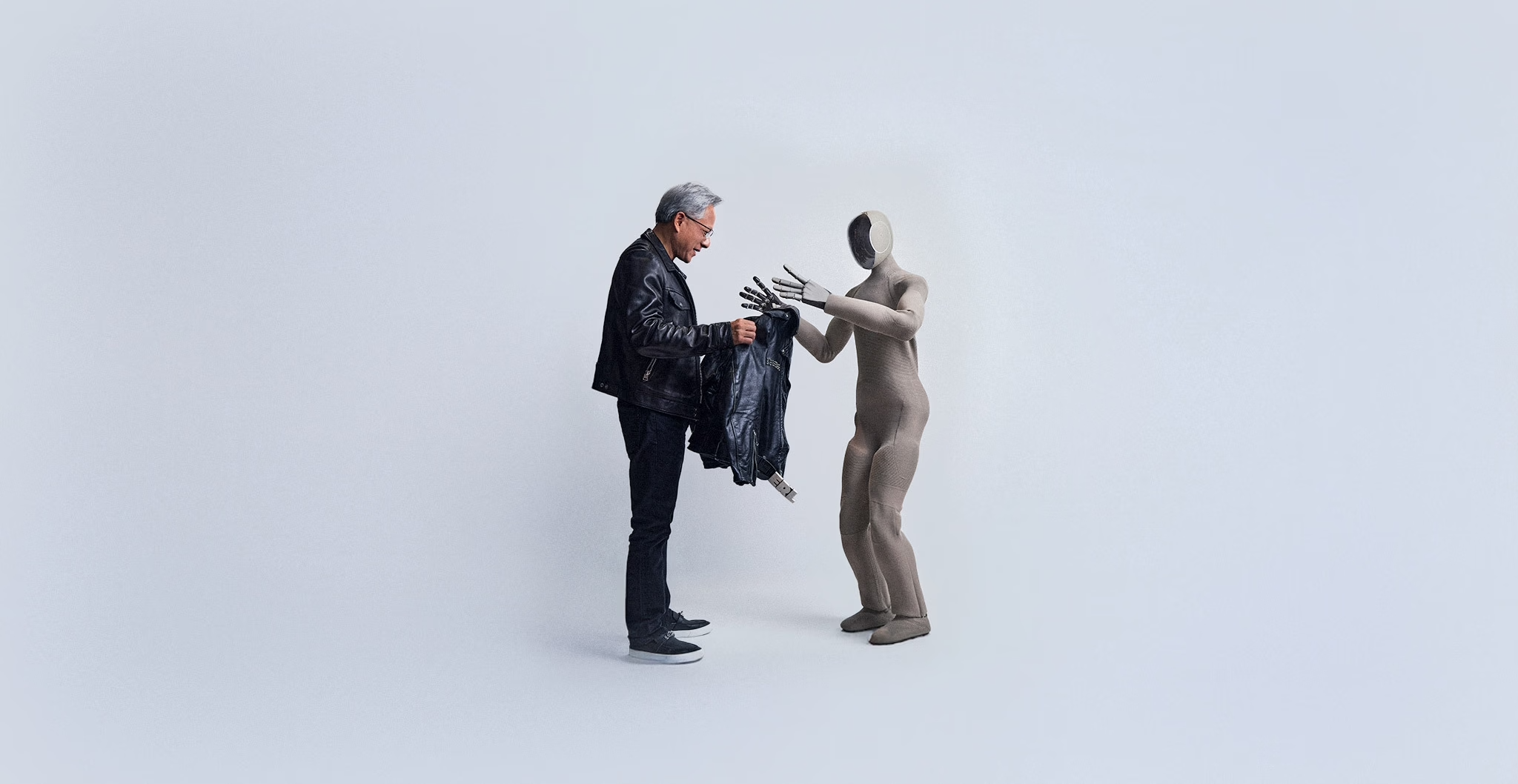
Thinking about this strategically, Tesla is trying to perfect Optimus so it works end to end, fully autonomously, and for all use cases (including things it would have to learn on the job). 1X is shipping a semi functional system that leans on human teleoperation and assistive control while the hardware footprint grows. If they get units into homes, software upgrades are easy - they could even upgrade to use software provided by a competitor or new entrant. Scaling hardware seems to be the hard part.
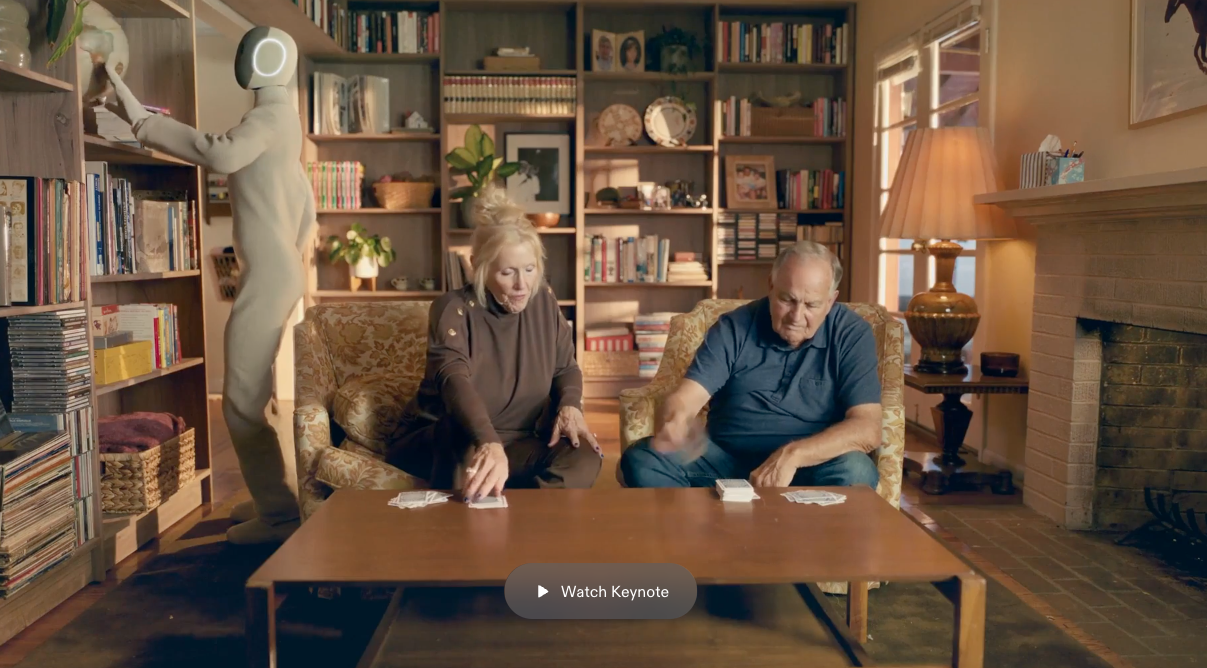
The data flywheel is the kicker. Deployed robots generate real household interactions that improve models. Other providers will need to generate high quality synthetic data or paid collection to catch up. This puts 1X in a great spot even if the hardware fails. And if 1X delivers reliable hardware, they could become the market leader for years. I'm still skeptical on the company, and execution on the physical product remains in question. But it's an interesting thought experiment on strategy!
I occasionally talk about things other than AI and tech, I swear. Today it is the zipper. A new design makes it easier to start, resists jams, and works better one-handed. Fewer fumbles, faster closes, longer life. It's worth a look at this zipper upgrade.

The paint brush is getting a rethink too. An ergonomic handle changes the grip and wrist angle, which prevents hand cramps. After painting my house, I have felt the pain from traditional paint brushes - it forces you to stop and wait for the knots in between your thumb and pointer finger to calm down, which can double the total painting time. This design aims for steadier lines with less strain. Check out the Freeform Brush.
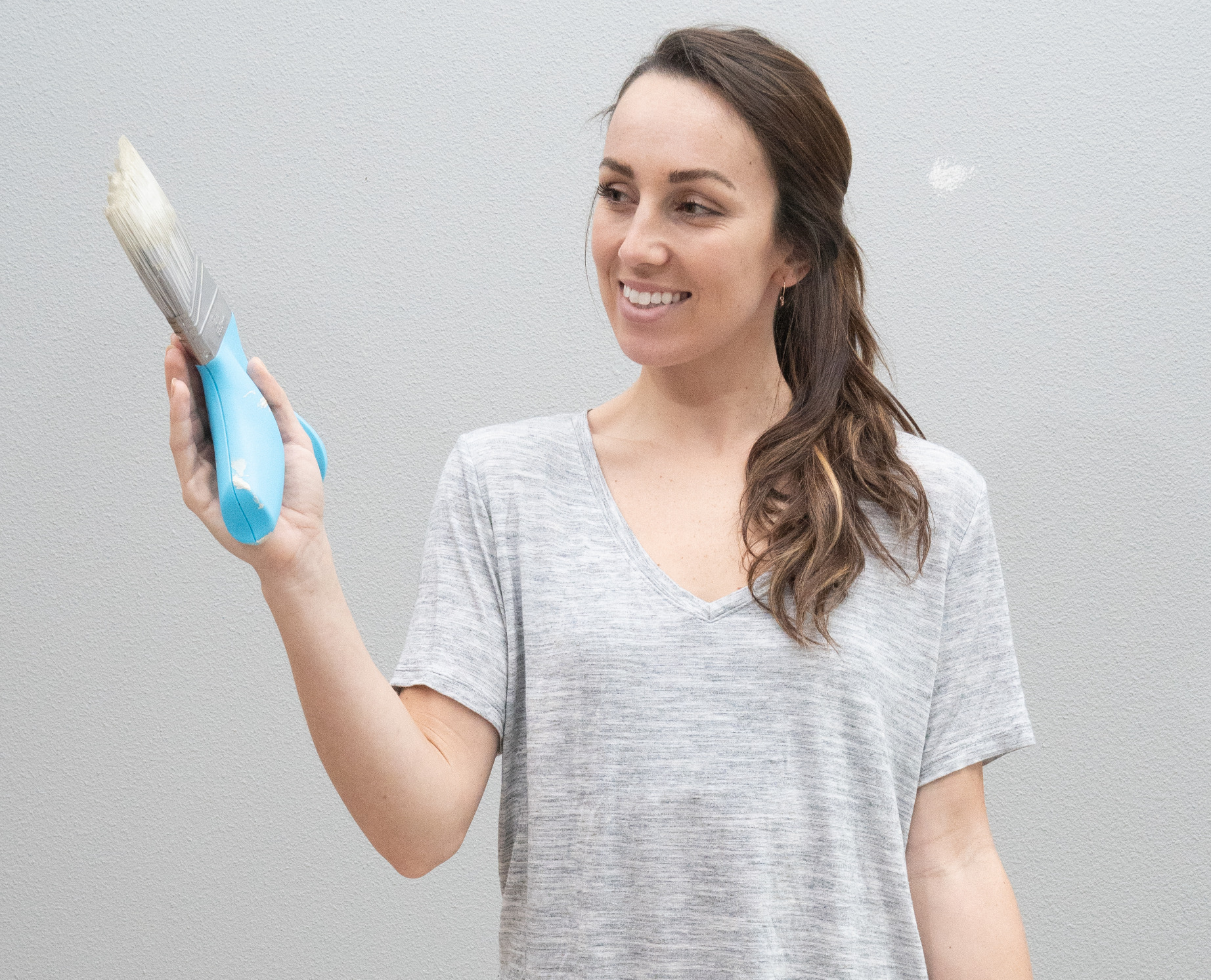
There are still countless everyday problems to fix. A smoother zipper and a kinder brush seem small, but small tools touch huge populations. If you like solving real problems, look at the world around you. Find the motions that waste time or hurt hands. There's so much more to this world than software.
Voice AI may be the next interface shift. In addition to typing or tapping, we could speak. Done well, it could capture conversations at the source, turn speech into structured data, and plug that data into real workflows. The result would be faster input, richer context, and software that understands how work actually happens.
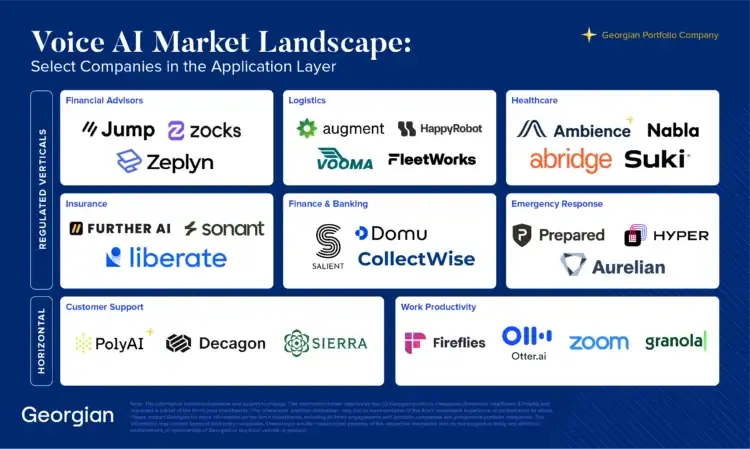
Early tools like Gong and Chorus showed the point. Recorded calls beat manual CRM notes for accuracy and recall. Then large language models pushed the field forward. Transcription improved, summarization became reliable, and systems began to infer intent and respond in natural tones.
The next step is verticalized voice AI. Generic platforms are useful, but real value comes from deep integration with a specific domain. That means vocabulary, workflows, guardrails, and compliance baked in. In regulated industries, trust and fit will separate winners from noise.
I have talked about this mode of use before, but there are hard challenges. People are wary of tools that always listen unless it is proven they cannot send data to third parties. Hardware latency is another problem. I do not want to wait to speak or wait to be spoken to. How can these issues be overcome?

I am excited about this way of communicating with technology, but adoption will be a slow burn. Keyboards will not vanish. Voice will quietly reshape the tools around us, one task at a time, until talking to machines feels unremarkable.
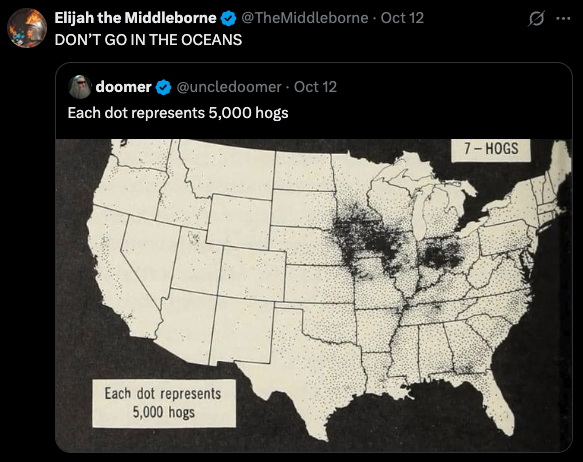
Tech debates usually read as builders versus solvers. The better map adds a third force: cynics. Builders work within constraints and ship. Solvers push to redesign systems through plans and policy. Cynics patrol the narrative and ask who is getting fooled. That third voice now shapes the room where decisions get made.

Each group prizes a different kind of honesty. Builders value fidelity to what works. Solvers value sincerity of intent. Cynics value authenticity, the refusal to look duped. As frontiers like AI blur outcomes, authenticity becomes the easiest signal to send. It spreads quickly and can stall action even when facts are unsettled.
The risk is a solver plus cynic coalition that sidelines builders by framing execution as reckless and vision as grift. The practical bridge is tolerance for uncertainty. Builders and solvers both need it to create new capacity. Reward that trait and the triangle balances. Starve it and authenticity theater wins while progress loses.
Continuous learning asks a simple question. How do we keep updating a deployed model without breaking what already works? The latest push centers on sparse memory layers, which activate only a tiny set of parameters per input and can be finetuned with far less collateral damage than full updates or LoRA. Early results show big drops in forgetting while learning new facts. The goal is a model that is always training, not a model that stalls at ship time.
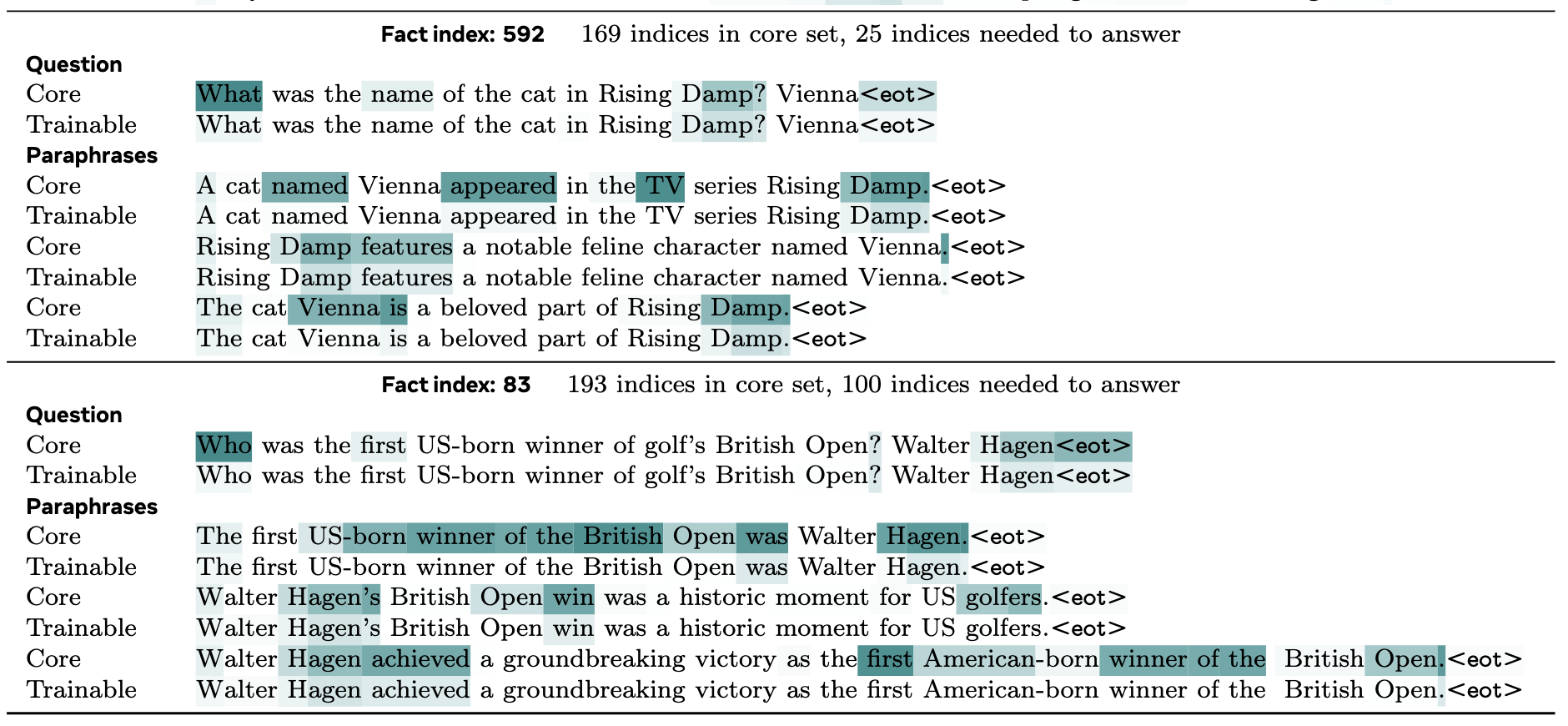
The work splits the problem in two. First is generalization. Given a new data point or user correction, the model must learn the right abstraction rather than memorize strings. Techniques like paraphrasing and active reading help the model lock onto meaning, not surface form. Raw next token prediction on a noisy stream is not enough. Smarter self supervision is the path to durable skill.
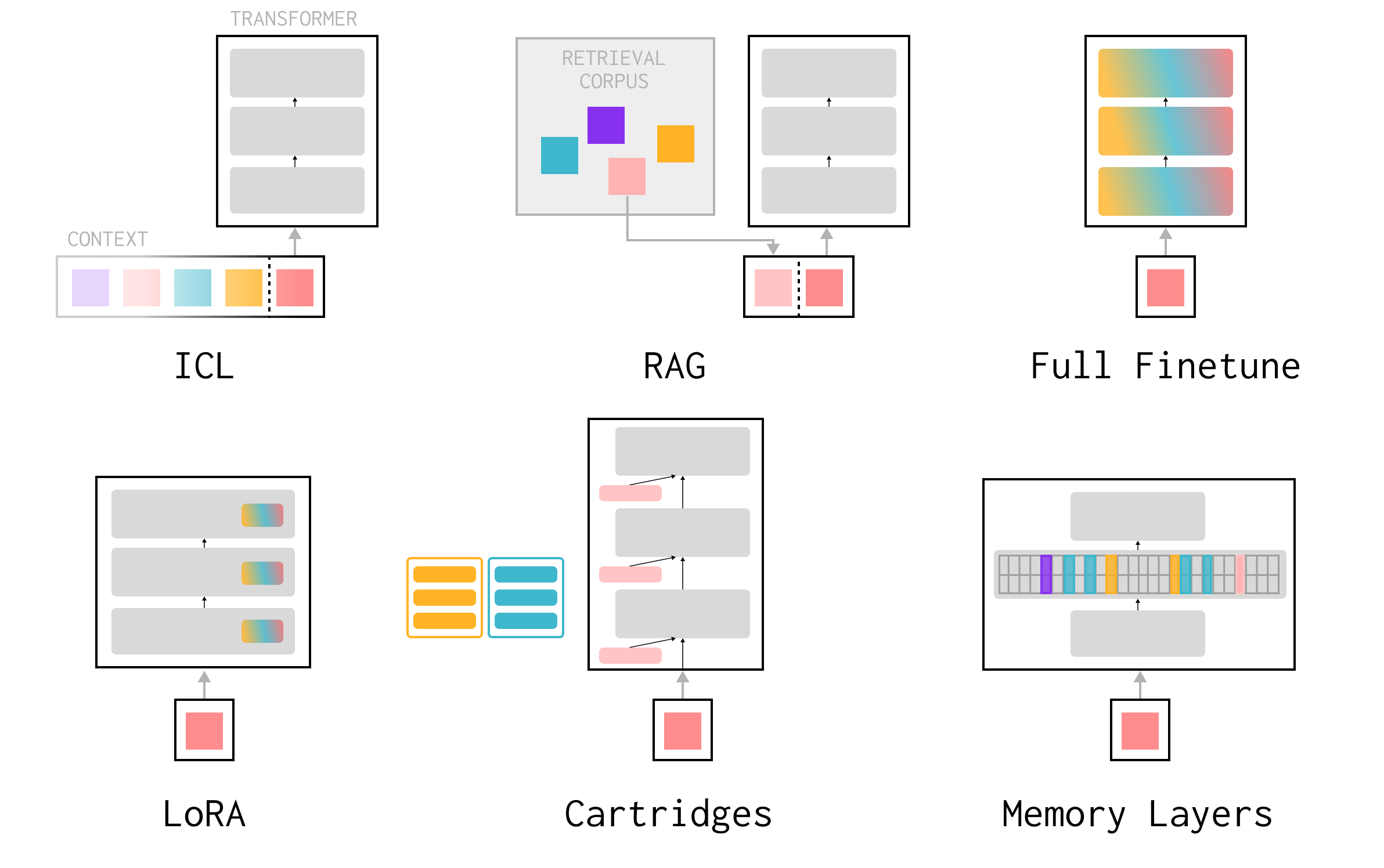
Second is integration. We want models to add knowledge without catastrophic forgetting, and to overwrite outdated facts when the world changes. Non parametric crutches like long context and retrieval scale capacity but do not compress knowledge into the weights. Parameter efficient tricks help, but capacity and task boundaries get in the way. Sparse memory layers offer targeted, high capacity updates that learn what to preserve and what to replace.
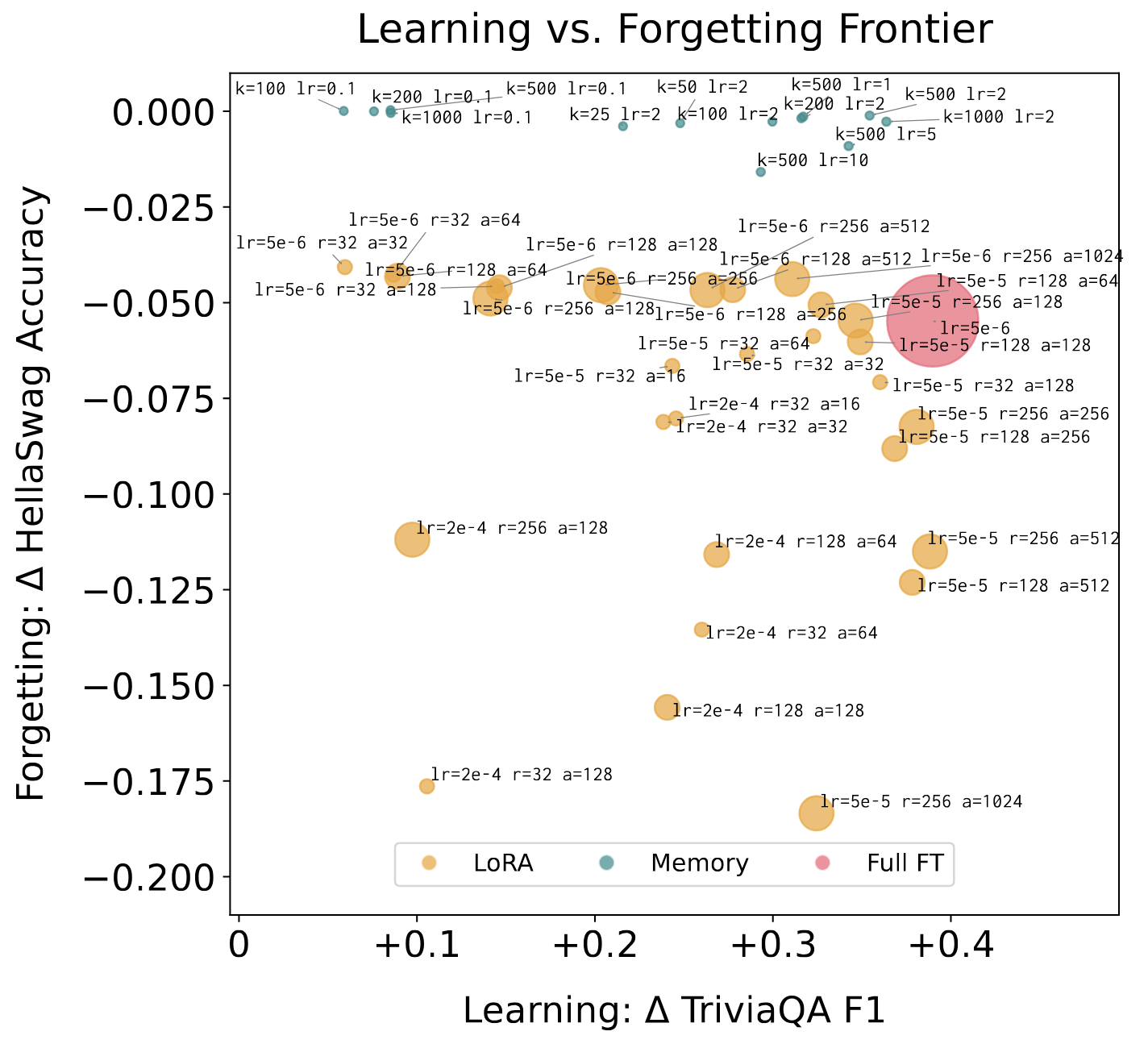
If continuous learning works, software becomes less of a release cycle and more of a growth curve. Models improve with every ticket, call, and line of code. Product teams ship smaller changes because the system learns from usage. Quality drifts up instead of down. The moat shifts from static benchmarks to live data, feedback loops, and the craft of teaching machines.
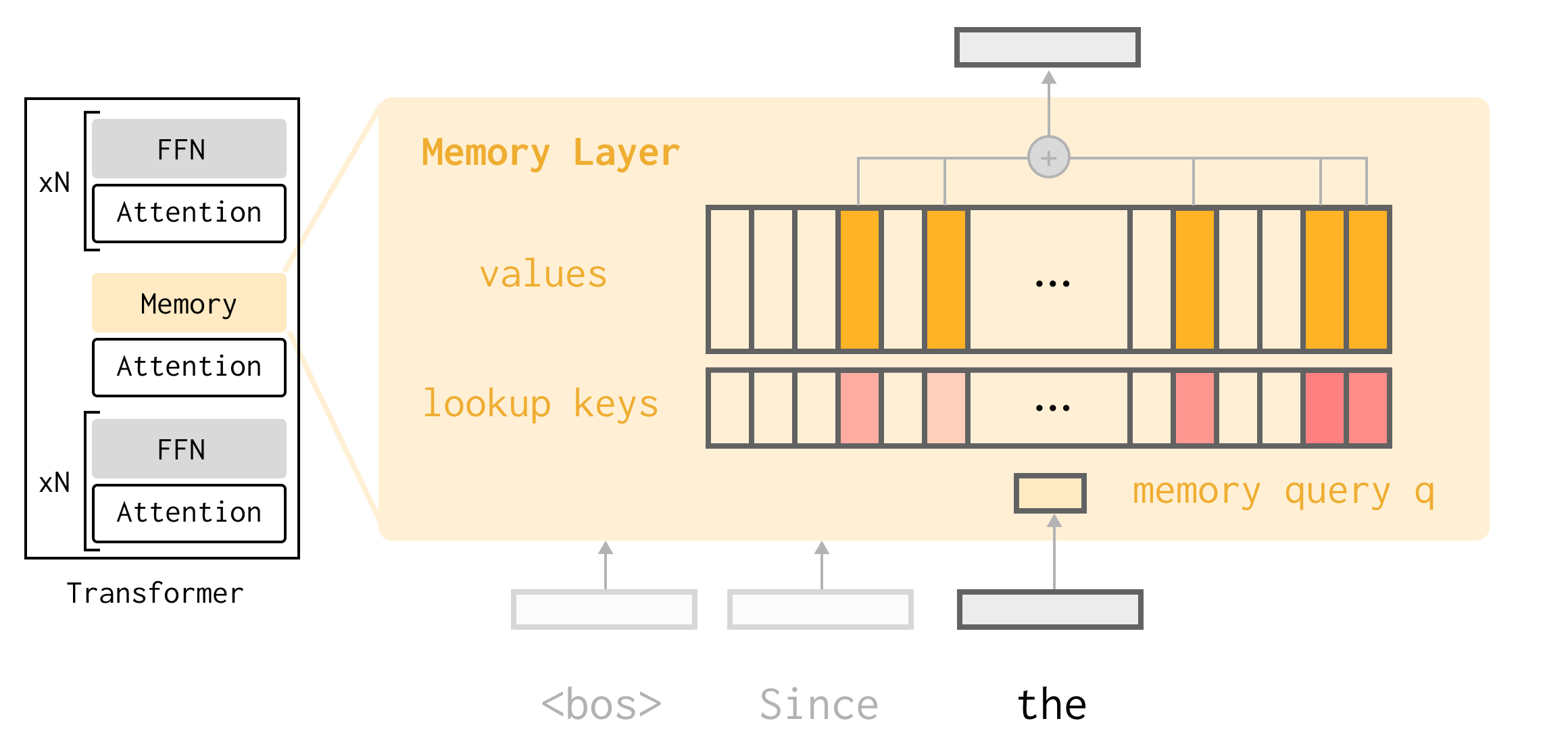
There are practical routes to get there. Start with hybrid memory architectures that combine short term context, retrieval over past work, and sparse parametric updates. Gate updates with strong evaluation and replay only where it pays off. Use augmentations that clarify meaning, not just wording. Track what the model should overwrite versus preserve and log that decision. Keep humans in the loop for hard judgments while pushing routine updates through safe, automated paths. Do this well and you get systems that learn like good interns and perform like seasoned staff. The direction is clear and the upside compounds.
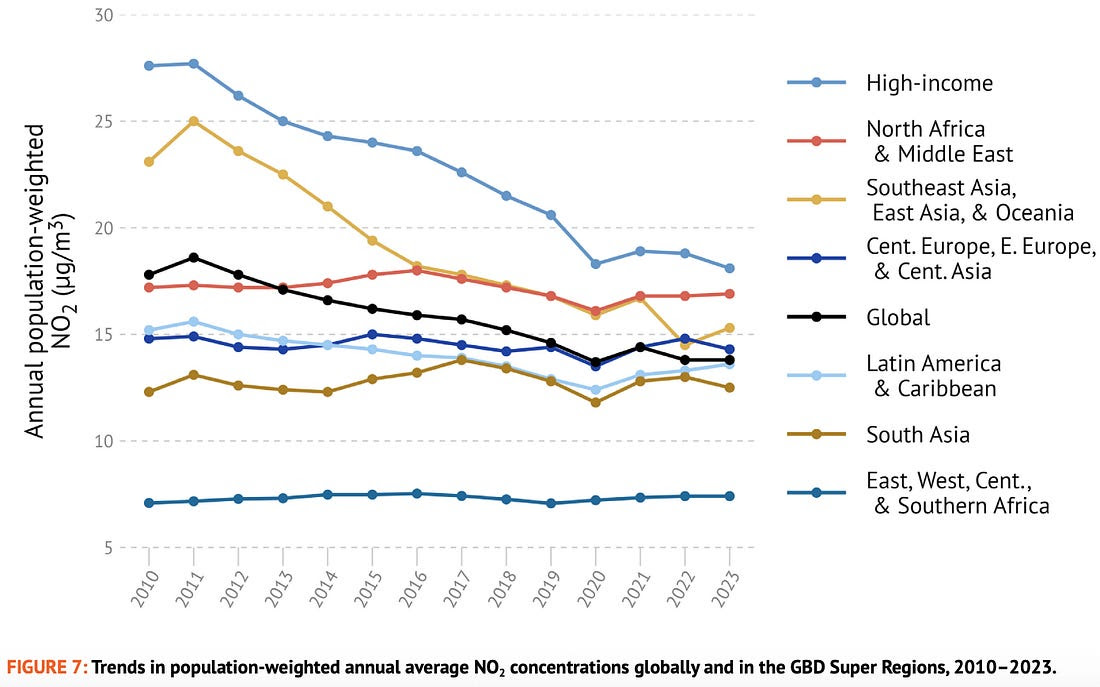
Global air-pollution deaths are falling for the first time in centuries, marking the dawn of a cleaner-air era. Between 2013 and 2023, pollution-related deaths declined by 21%, driven by a massive reduction in household smoke as billions gained access to cleaner cooking. Over the past 18 months, air-quality laws have tightened faster than ever before, and major economies — including China, the US, and the EU — are now proving that economic growth no longer has to come with rising pollution.
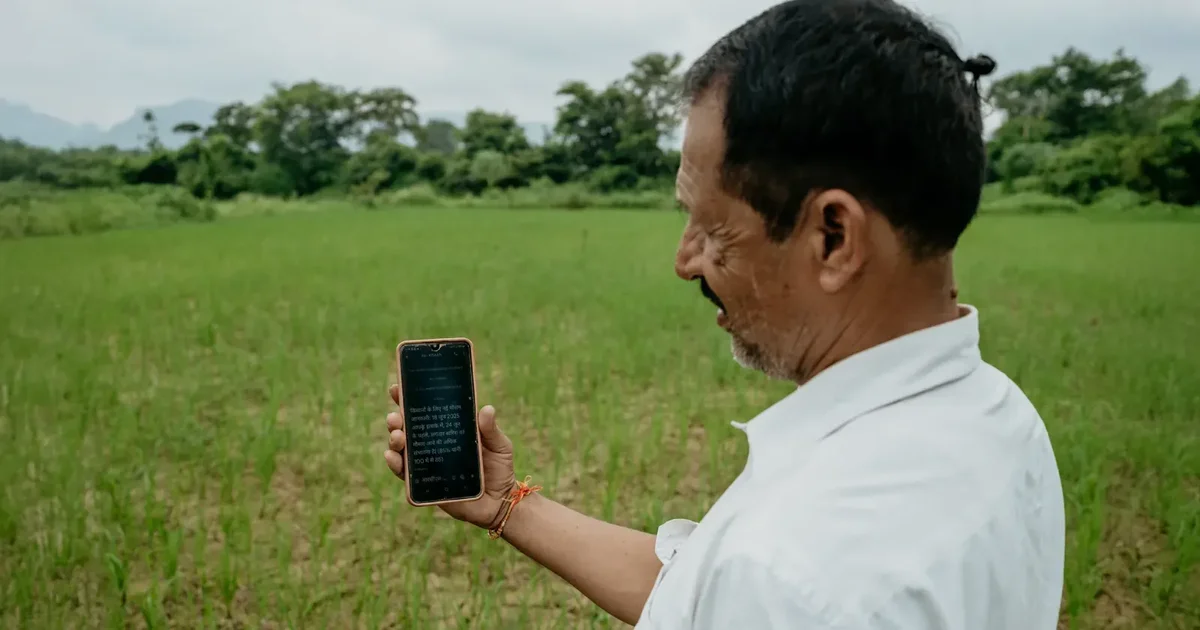
This summer, 38 million farmers across India received a message that transformed how they prepare for the rains. For the first time, machine learning successfully predicted the arrival of the monsoon up to 30 days in advance. More importantly, it earned the trust of the farmers who relied on it — a breakthrough that now serves as a global model for how AI can help agriculture adapt to a changing climate.
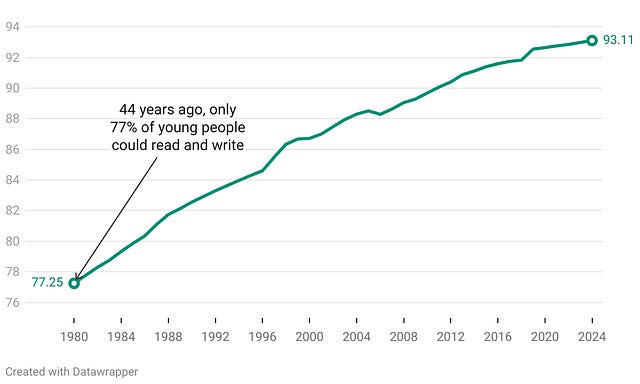
A quiet global triumph: 93% of people aged 15 to 24 can now read and write, up from 87% in 2000. In much of East Asia, Latin America, and Central Europe, youth literacy is at or near universal levels — a remarkable and often overlooked success story in global development.
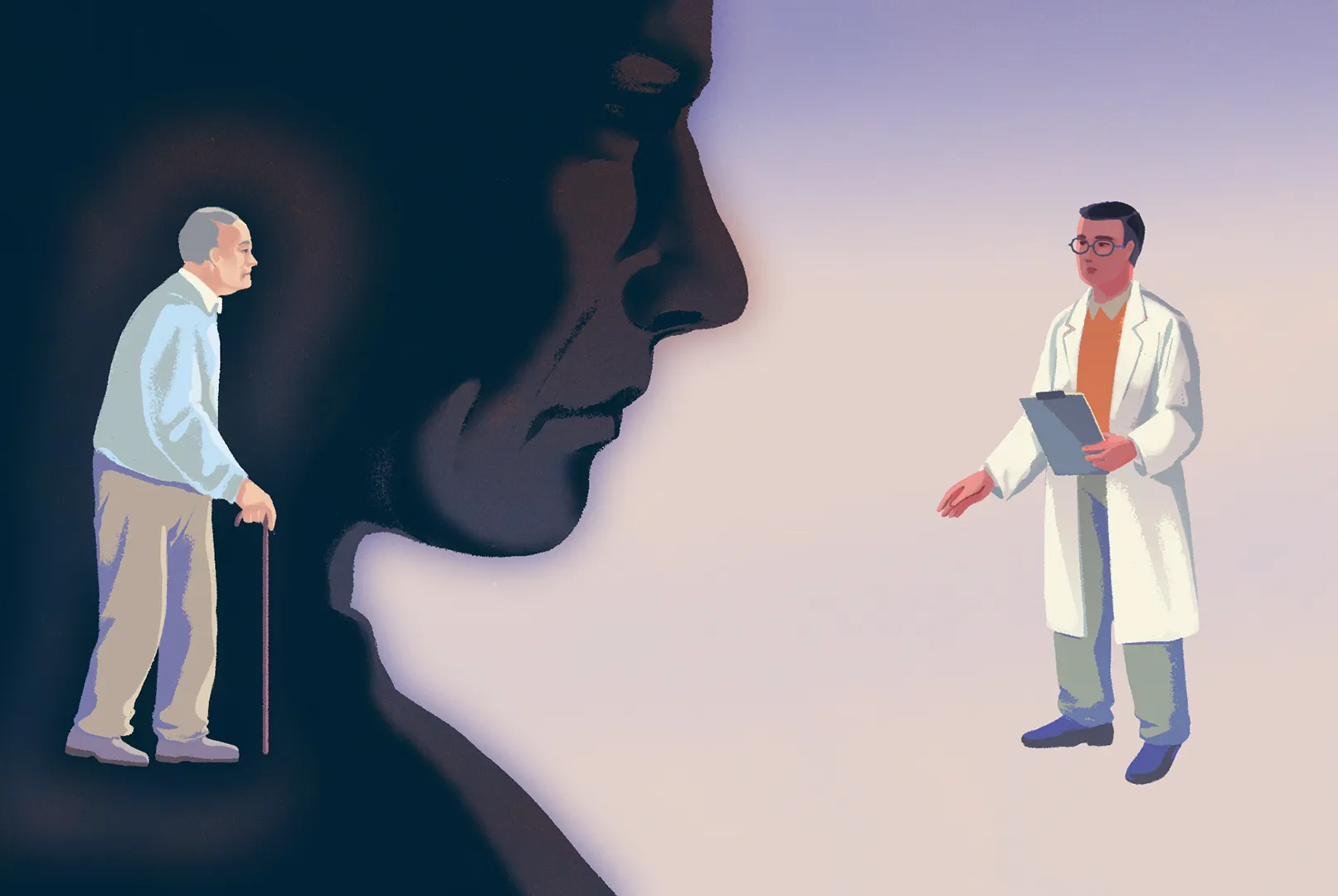
Once dismissed as science fiction, ageing research is now revealing ways to slow the biological roots of cancer, dementia, and heart disease — and possibly guard against all three at once. In lab studies, drugs like rapamycin and senolytics have extended animal lifespans by up to 40%, and researchers believe the first true longevity medicines could arrive within five years. But while influencers hype supplements, scientists caution that real progress will require patience and investment: the U.S. still spends twenty times more on cancer research than on ageing itself.
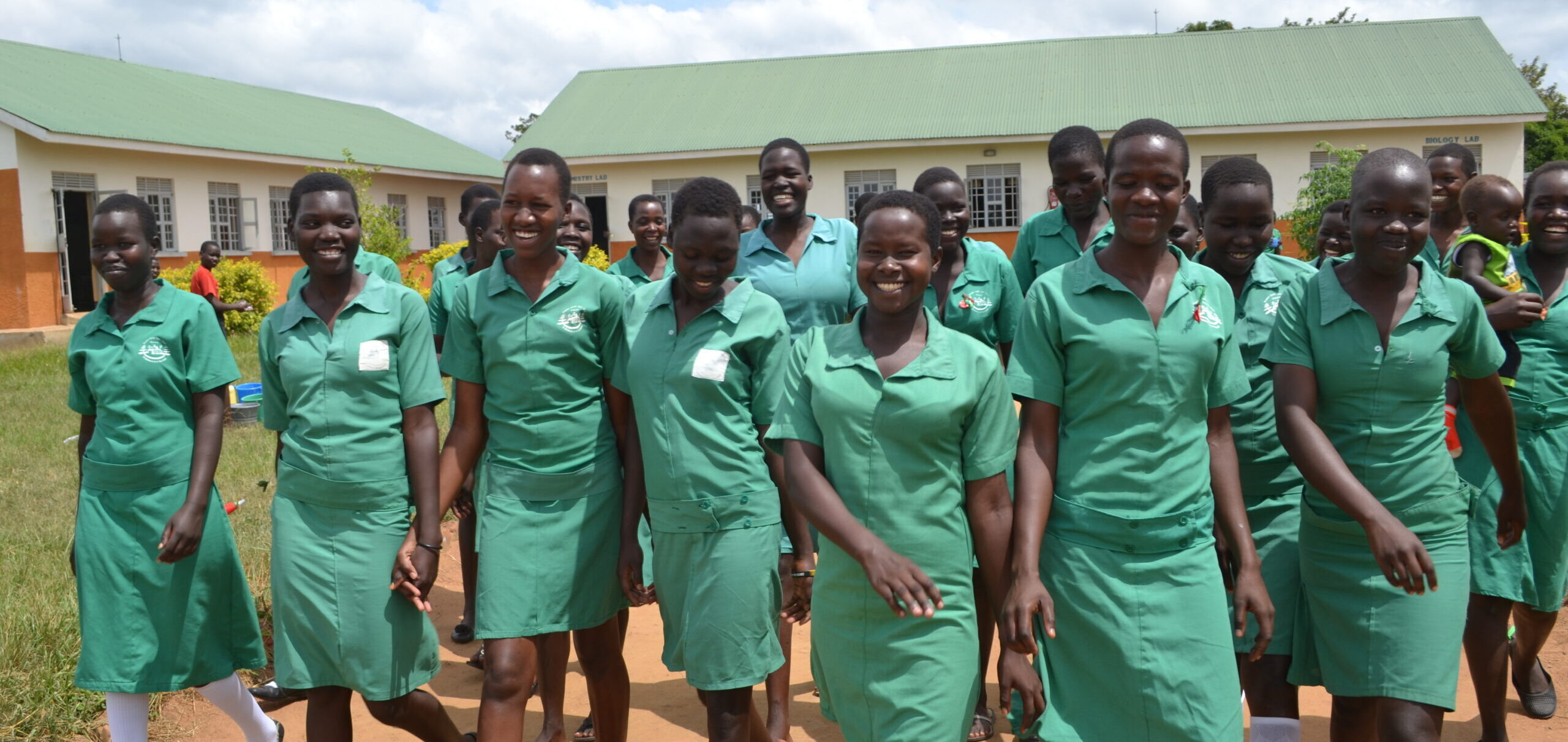
No more sleeping on the floor for students in Uganda. The Te-Kworo Foundation — which provides education, boarding, and maternal care for young mothers — has received 100 new bunk beds for its boarding school in Pader. Thanks to your support, 200 girls now have a safe and comfortable place to sleep. Enrollment has grown faster than expected.
Enjoying The Hillsberg Report? Share it with friends who might find it valuable!
Haven't signed up for the weekly notification?
Subscribe Now