Quote of the week
“I disagree with what you say, but I will defend to the death your right to say it”
- Evelyn Beatrice Hall

Edition 38 - September 21, 2025
“I disagree with what you say, but I will defend to the death your right to say it”
- Evelyn Beatrice Hall
The All In Summit served up a buffet of tech, markets, and policy. Some talks were meaty, some filler, and a few must watch dishes. Below are the sessions I watched, with what stood out and whether they are worth your time.
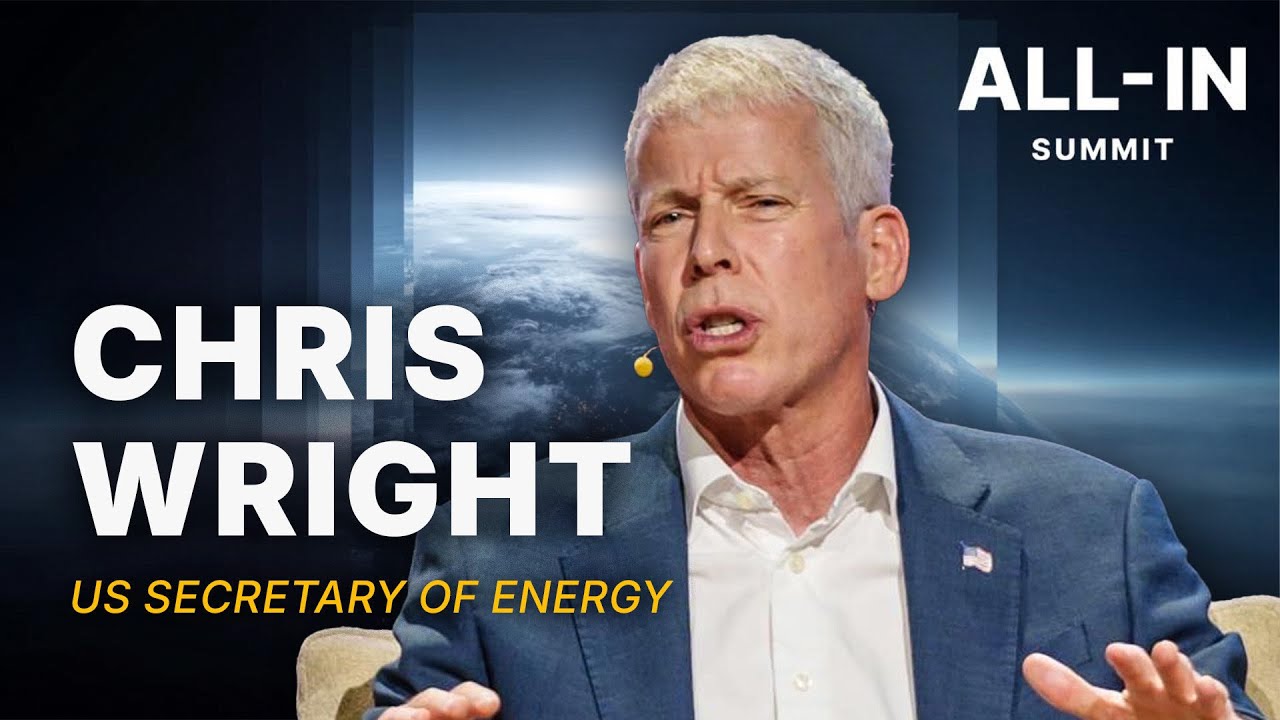
Chris Wright on the future of American energy: A pragmatic tour of US energy realities and tradeoffs. Clear, logical framing. Not a must watch, but useful if you want a grounded baseline for the policy conversations ahead. Skippable for most. Watch on YouTube
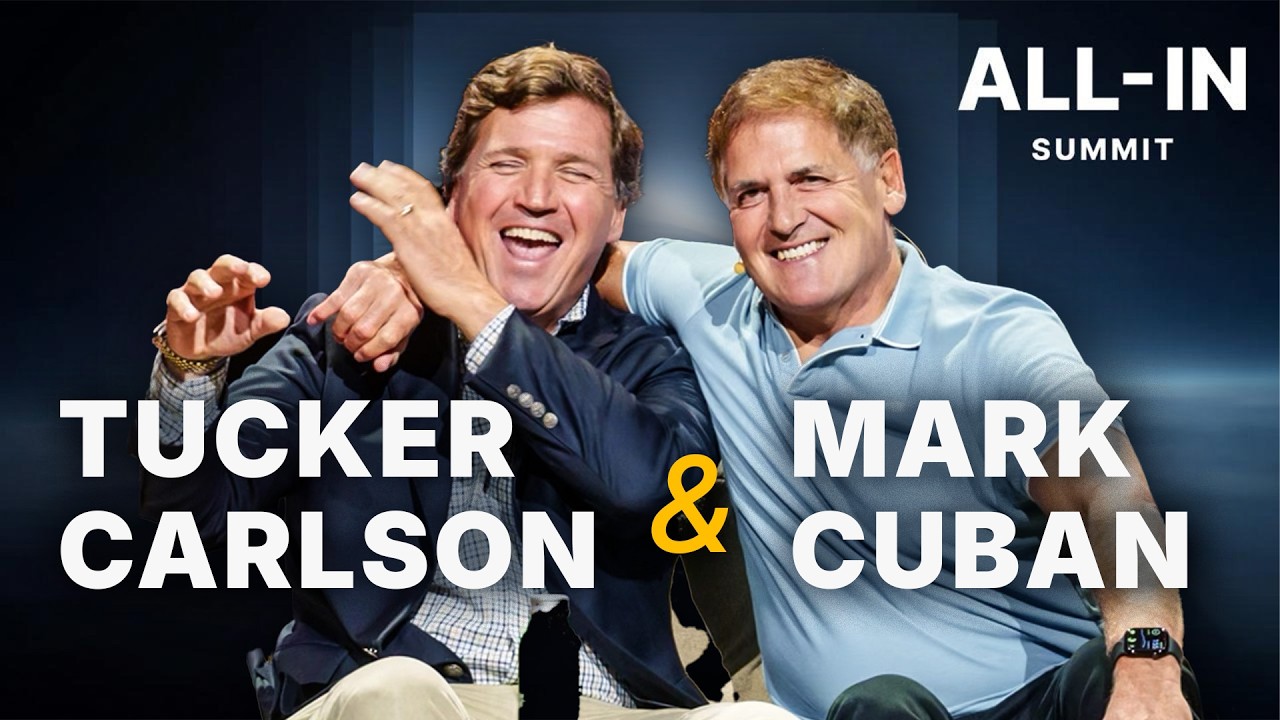
Mark Cuban versus Tucker Carlson on how to save America, healthcare portion: The healthcare segment is the gem here. Cuban lays out how PBMs, pharmacy benefit managers, gatekeep access through giant formularies and wield that power to punish upstarts like Cost Plus Drugs. His prescriptions were to separate formularies from PBMs, ditch traditional PBMs for pass through models, and bring full contract transparency. His next move is costpluswellness.com. Notably, manufacturers backed off when PBMs pushed back, apparently scarier than even a hostile administration. If you care about drug pricing, this part alone is worth the click. The later politics portion is optional. Watch on YouTube
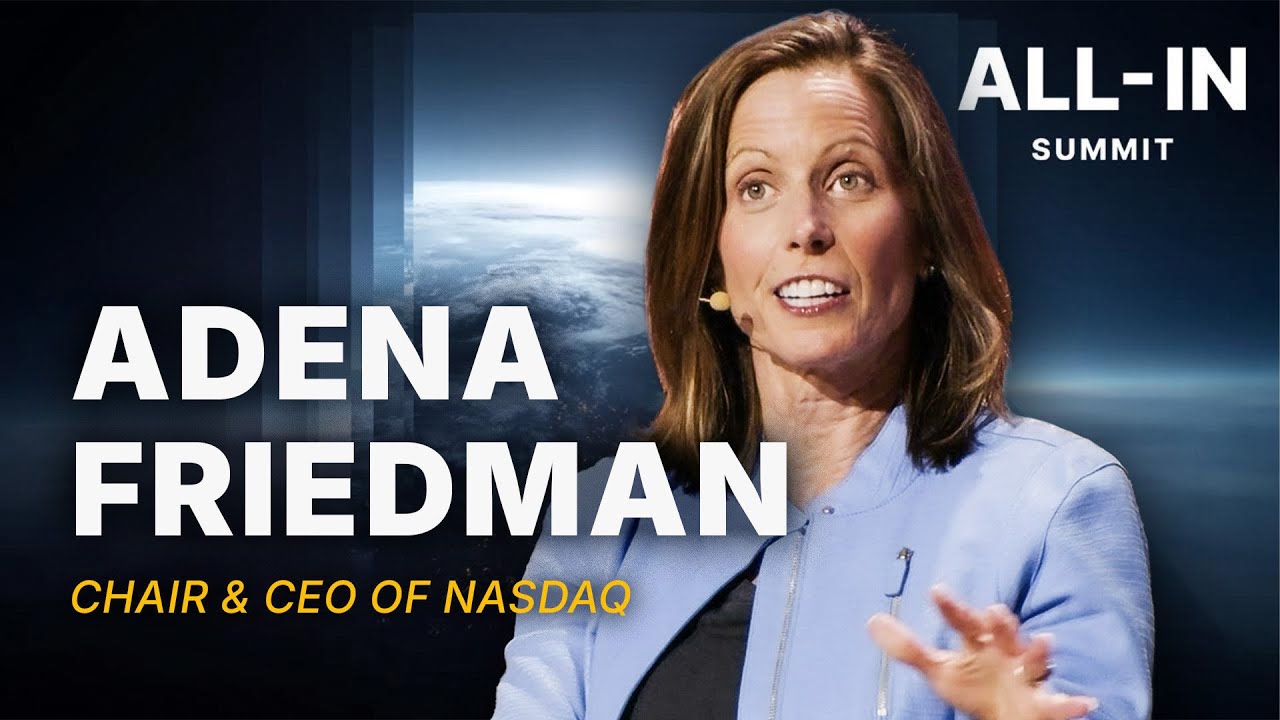
Nasdaq CEO Adena Friedman on the new era of the stock market: Nasdaq is moving to tokenize equities, starting 24 by 5 with the aim of 24 by 7, unlocking deeper fractional ownership and always on markets. This feels like the end state everyone predicted, finally going live. Quietly consequential. Watch on YouTube
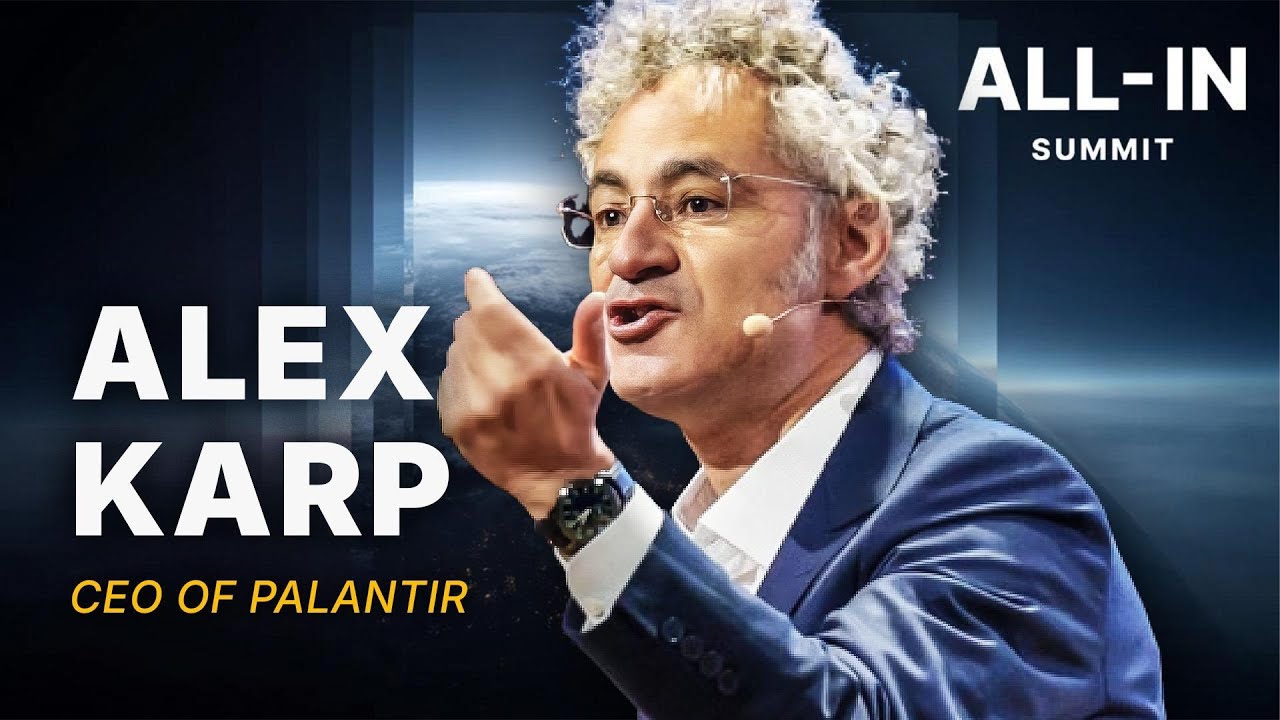
Alex Karp of Palantir on why the West is destroying itself: Some interesting ideas submerged in a lot of meandering. Unless you are compelled by Palantir or Karp, you can skip. Watch on YouTube
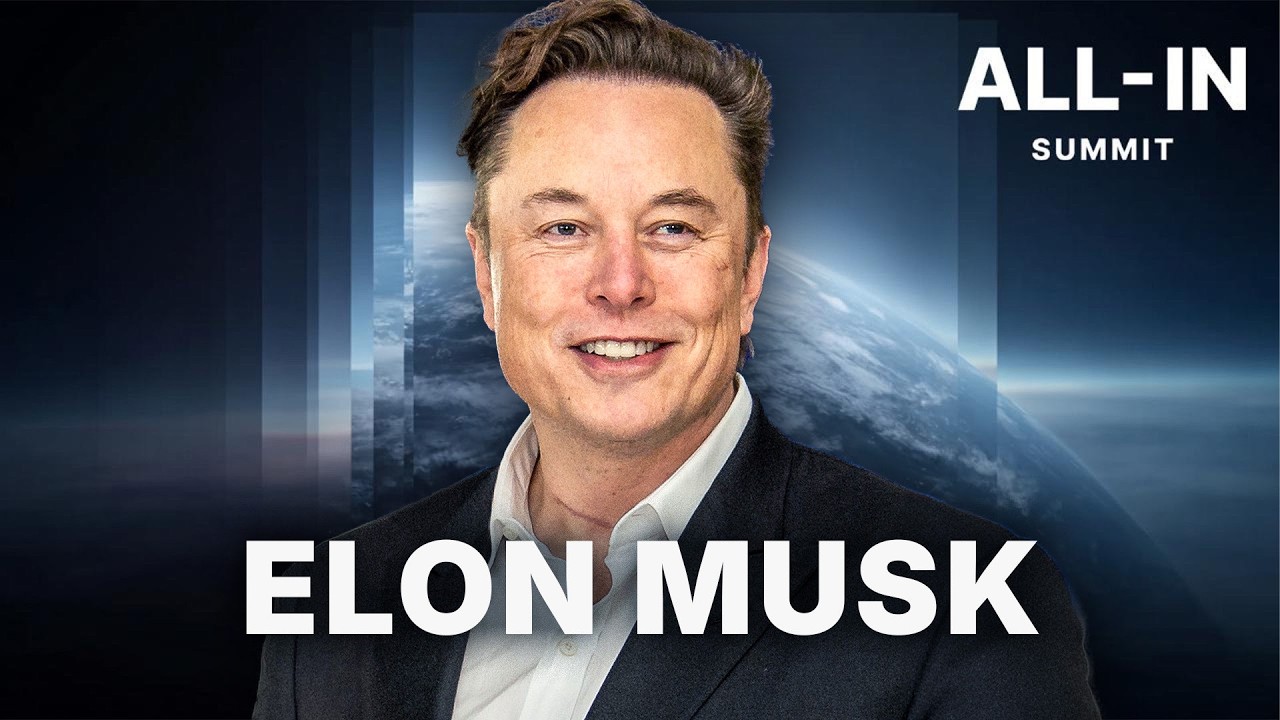
Elon Musk on DOGE, Optimus, Starlink phones, AI, and Mars: Easily the most provocative session. Optimus 3 is a robot hand with real manual dexterity, an AI mind, and ambitions for high volume manufacturing with a new supply chain. On Tesla, he said your car will feel sentient by the end of the year. Big claim. If true, it would be a step change in user experience. Starlink direct to cell is in the works, with spectrum moves to enable phone connectivity. Current handset radios do not match the target frequencies, so it will take about two years for chip support. On AI forecasts, he predicted superhuman systems by next year, and by 2030, systems above the sum of all human intelligence. On culture and Mars, he said curiosity is a civic antidote and that we could see self sustaining life on Mars in about 25 years. Whether you love or hate Musk, the density of bold, testable claims makes this one a must watch. Watch on YouTube
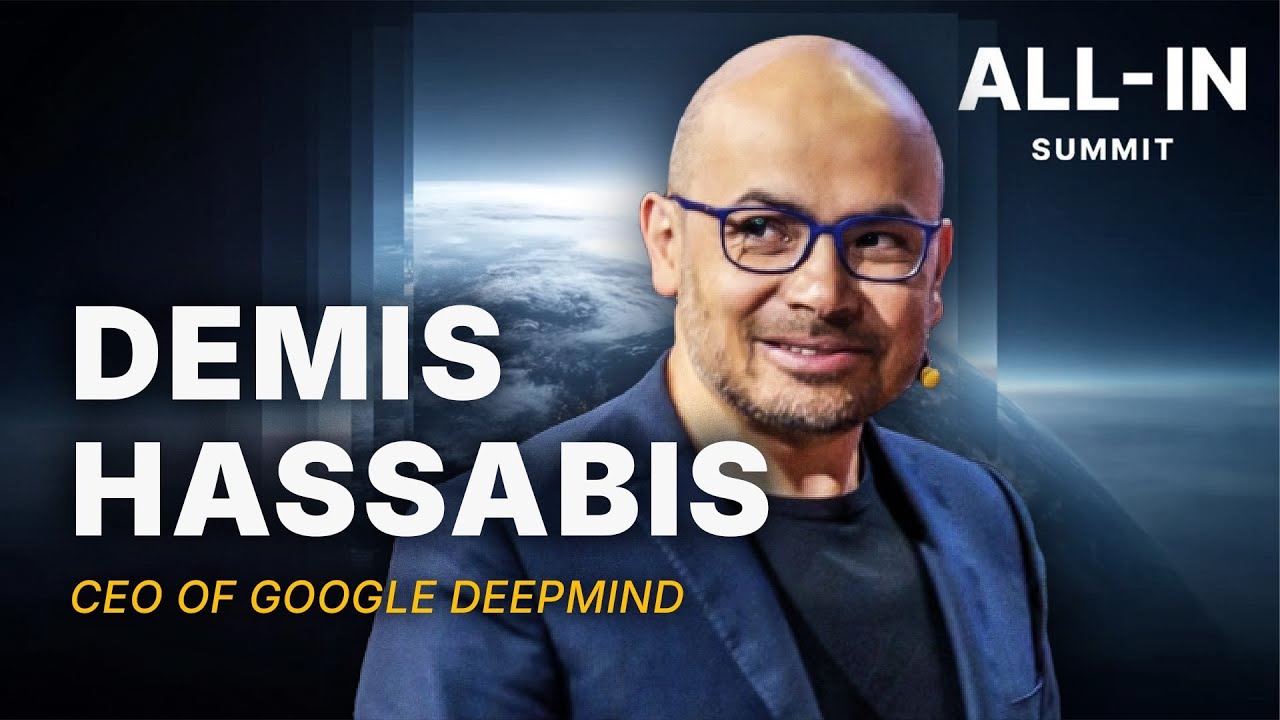
Demis Hassabis of DeepMind on AI, creativity, and a golden age of science: Nerdy and thoughtful, but light on fresh takeaways. Interesting more than essential. Watch on YouTube
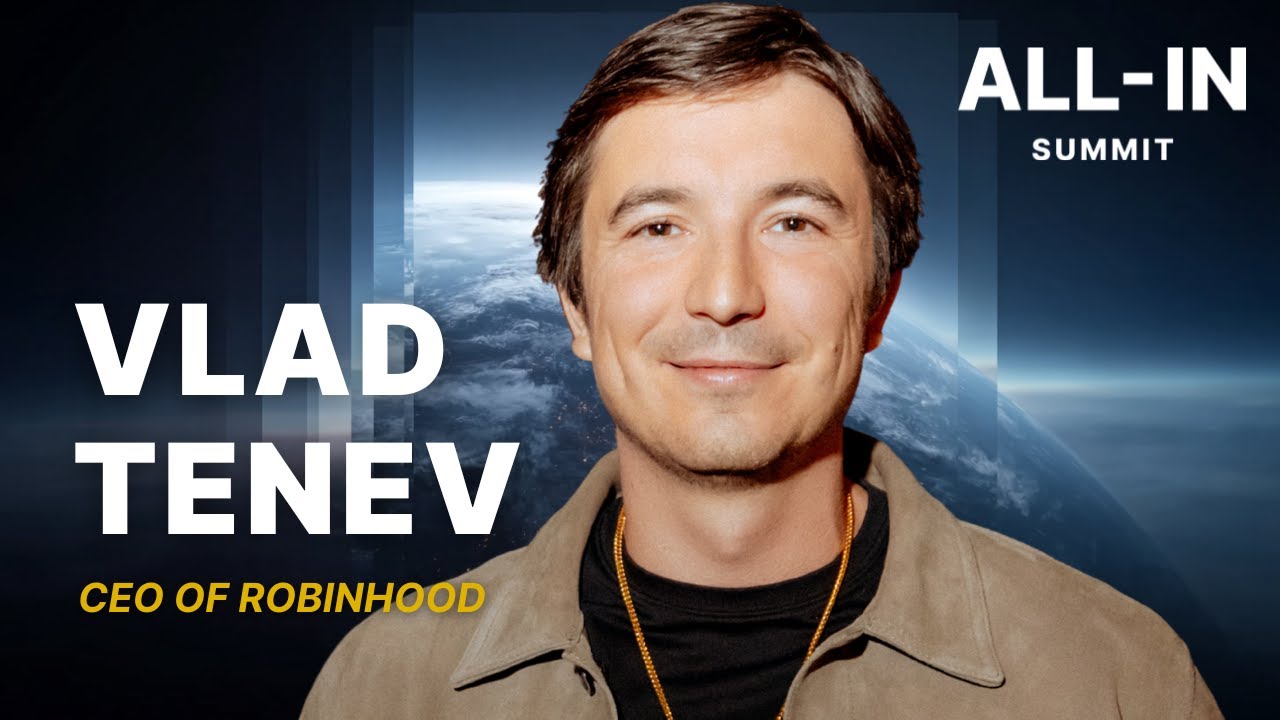
Vlad Tenev of Robinhood on tokenized stocks and private shares: He made a strong case for tokenizing both public and private equities to open secondary liquidity, huge for startups and employees. The catch is that private companies care deeply about who sits on their cap tables. Friction remains, but the direction of travel is clear. Watch on YouTube
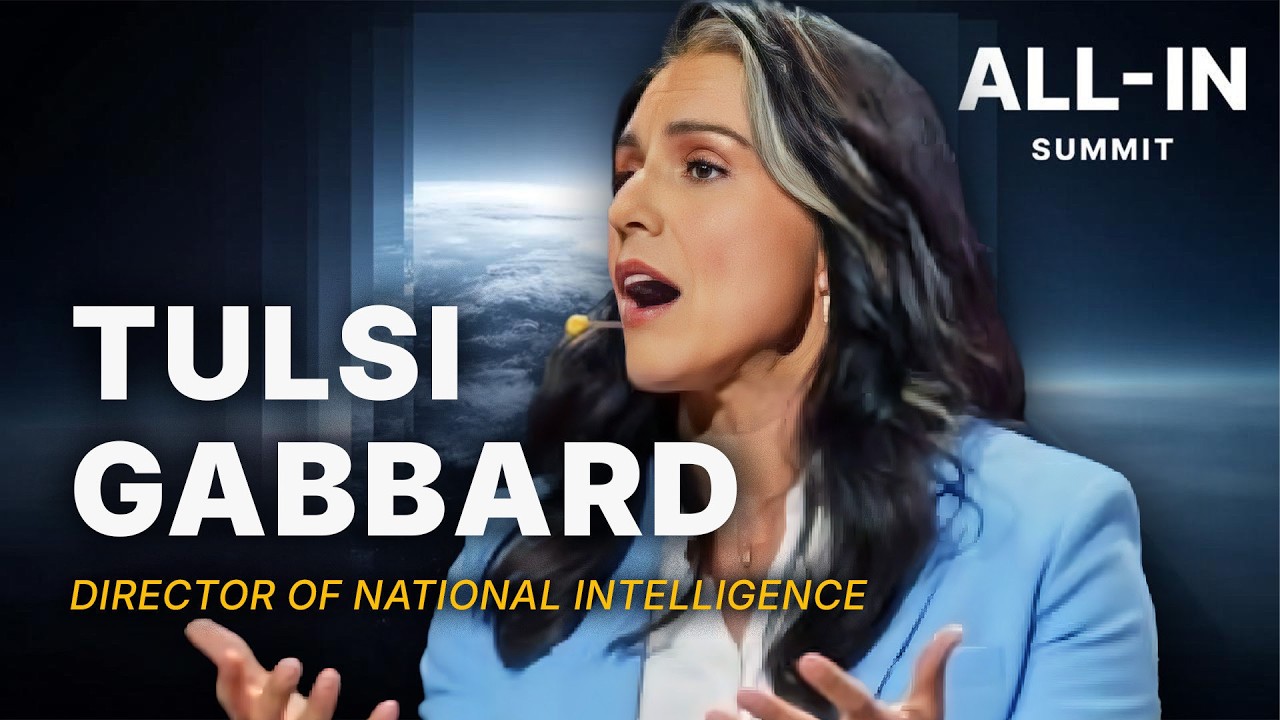
Tulsi Gabbard on Russiagate and intelligence reform: Not going to get into politics here. Watch on YouTube
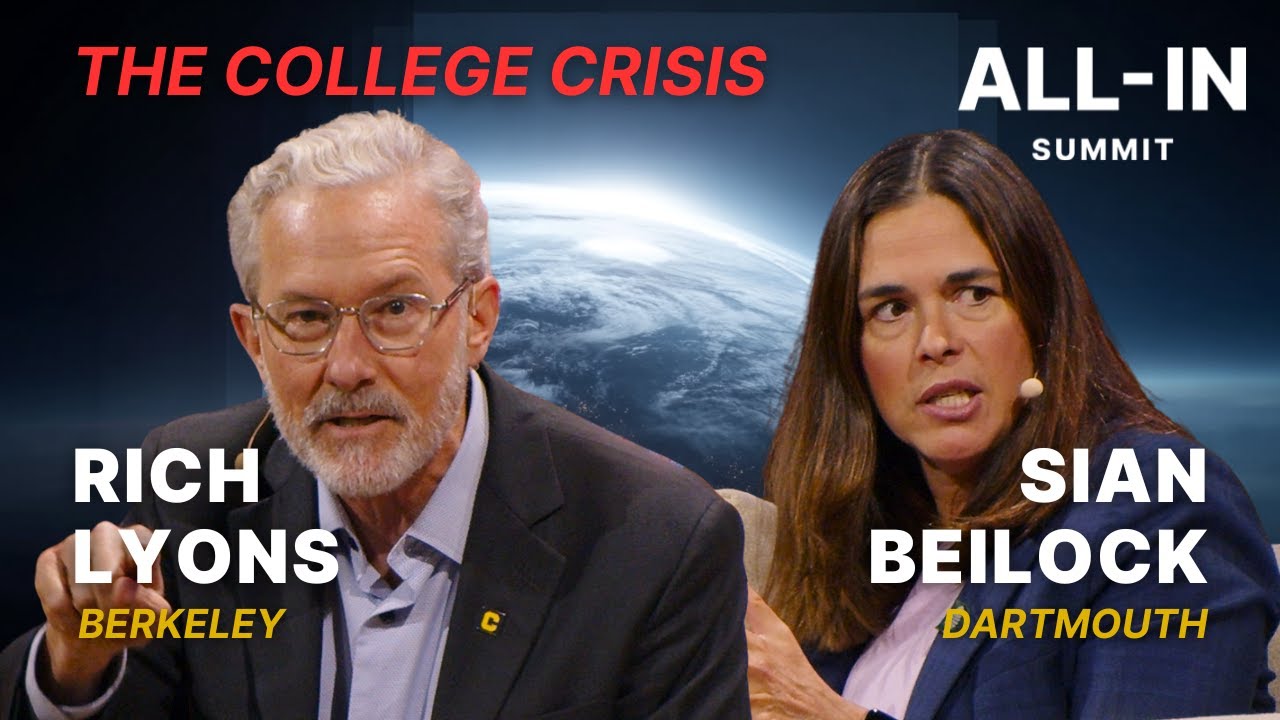
The college crisis, Dartmouth versus Berkeley: A timely topic that unfortunately did not land with much substance. You can pass. Watch on YouTube
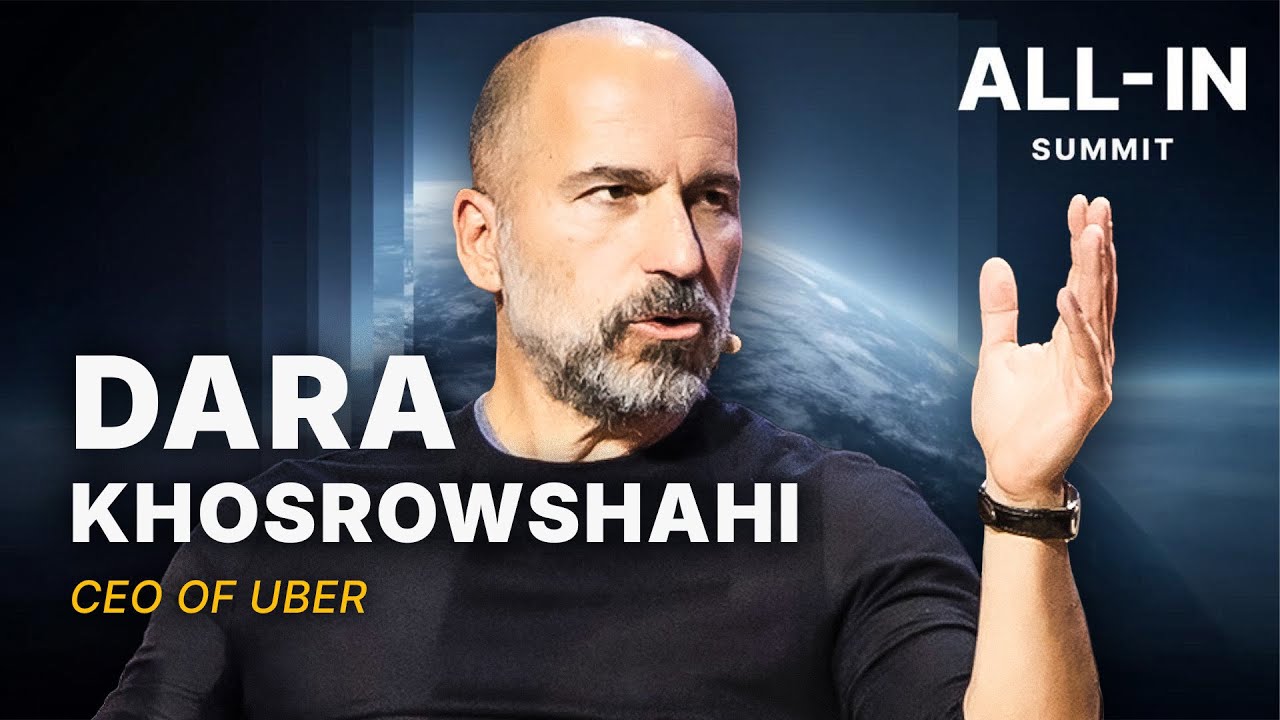
Dara Khosrowshahi of Uber on autonomy, marketplace moats, and jobs: A good reminder of the power of tech driven marketplaces and Uber’s operating discipline. Solid, if not groundbreaking. Watch on YouTube
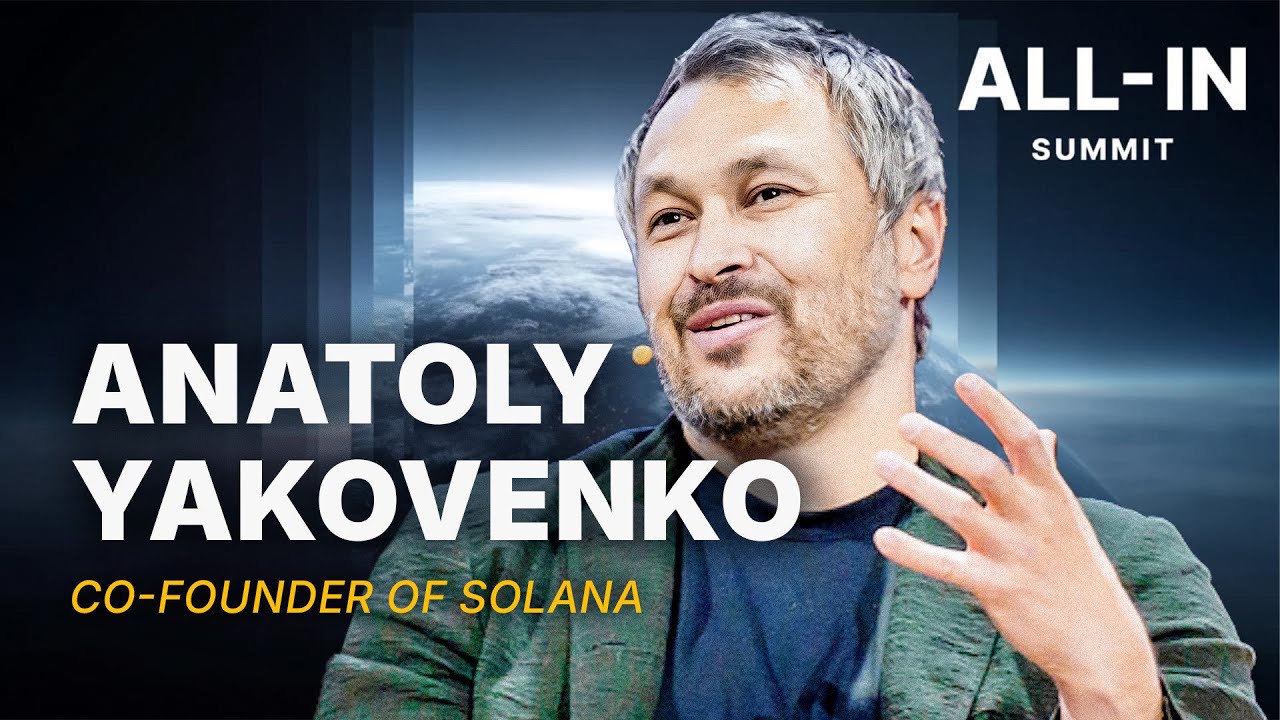
Anatoly Yakovenko of Solana on crypto’s next era, quantum and AI: Bold calls. He put the odds of a meaningful quantum breakthrough at about 50 percent within five years, which implies Bitcoin and others should migrate to quantum resistant signature schemes sooner than later. He argued quantum could rival AI as a wealth creation unlock, and pointed to a future of bankless, near instant transactions at global scale. Watch on YouTube
Bottom line: Tokenization from Nasdaq and Robinhood felt like the most tangible structural shift. Musk delivered the spiciest near term bets with Optimus, quasi sentient cars, and direct to cell Starlink. Cuban’s PBM tirade was the most clarifying on healthcare incentives. Yakovenko’s quantum warnings are the right kind of paranoia for crypto. The rest ranged from fine to forgettable.

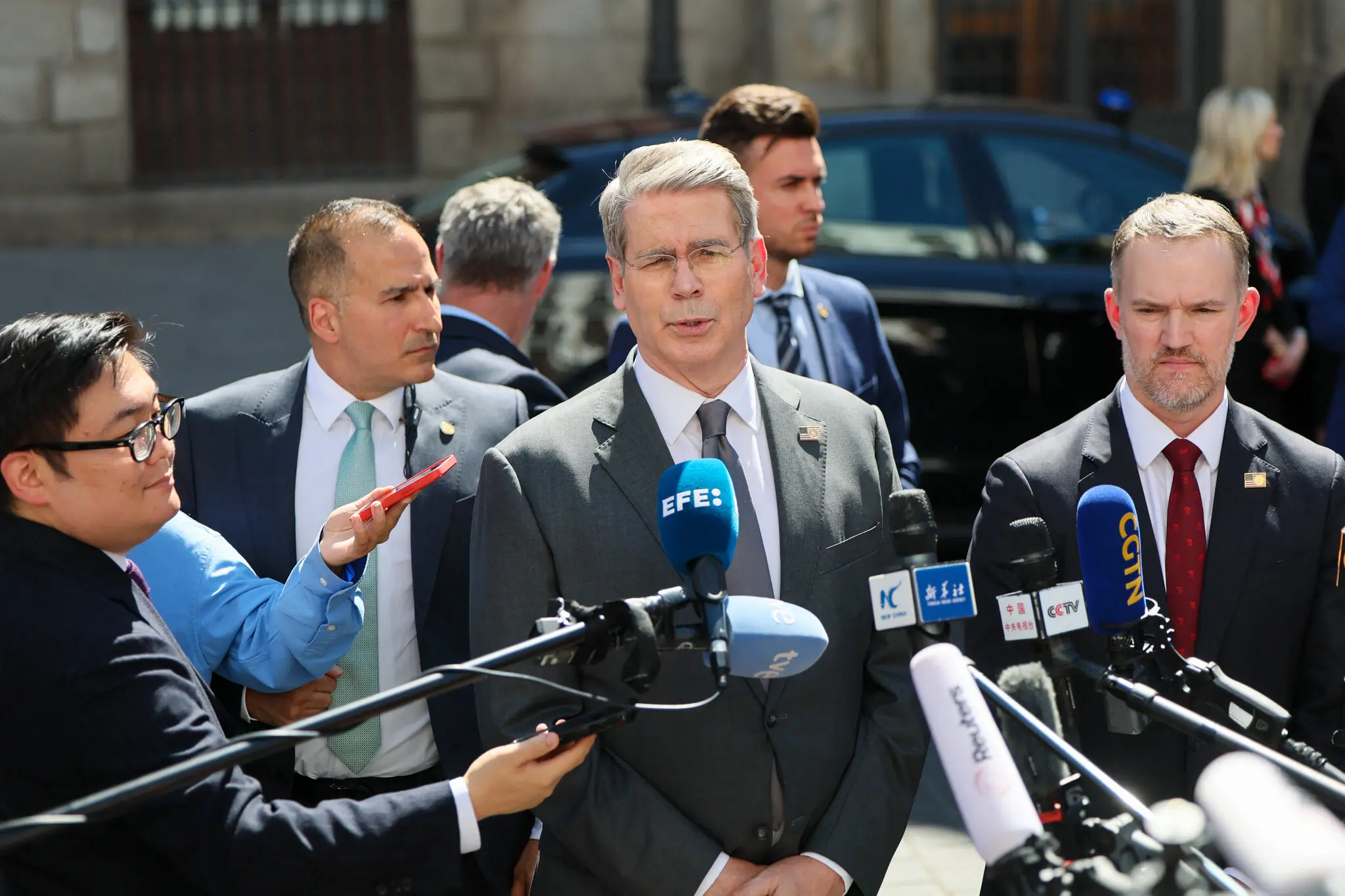
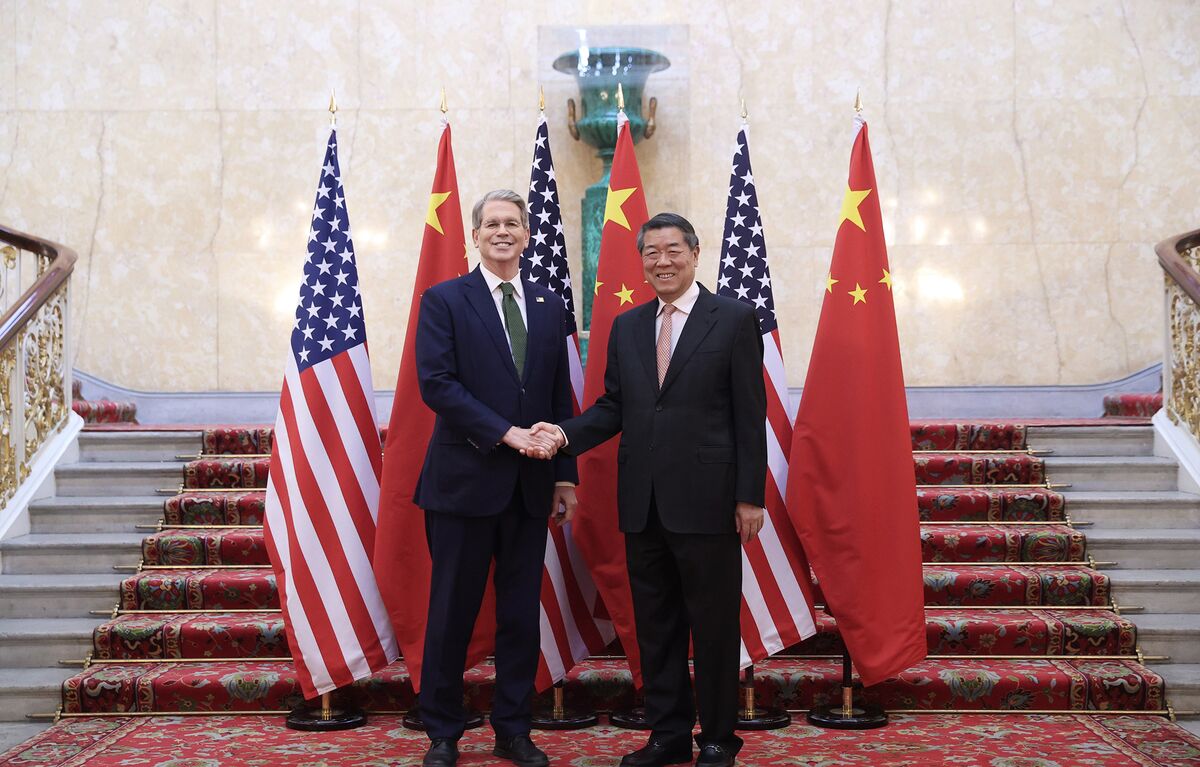
The U.S. and China have reached a framework agreement for TikTok’s U.S. operations that would transfer majority control to American investors, easing one of the biggest flashpoints between the two nations. After two days of negotiations in Madrid, Treasury Secretary Scott Bessent confirmed that the deal will be reviewed by President Trump and President Xi Jinping later this week.
Under the plan, a consortium including Oracle, Silver Lake, and Andreessen Horowitz will acquire stakes in a newly created U.S.-based TikTok entity. ByteDance’s share would fall below 20%, in compliance with a 2024 U.S. law requiring the Chinese parent company to divest or face a nationwide ban. Existing U.S. investors in TikTok would hold about 30% of the business, while new outside investors would take 50%.
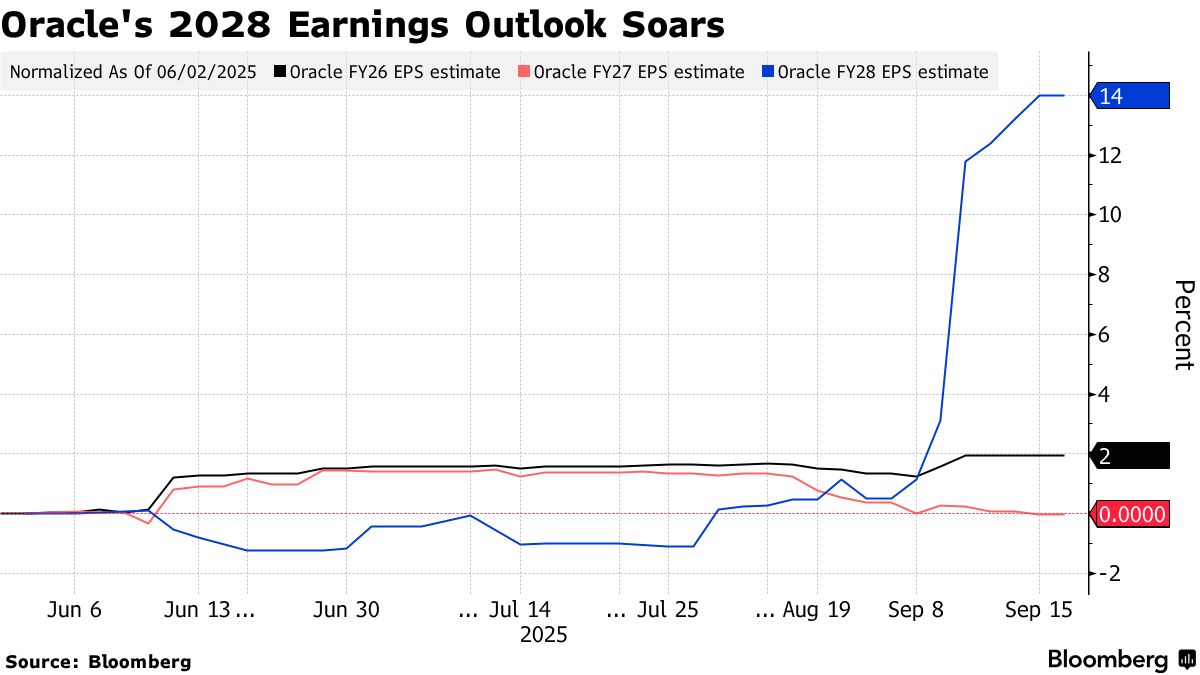
The U.S. arm of TikTok is being valued at $35–40 billion, and ByteDance will continue licensing its core technology to the U.S. spin-off. Oracle will remain the platform’s cloud provider, extending its role under “Project Texas,” which already handles U.S. user data. TikTok engineers are testing a new app for U.S. users that replicates the algorithm behind its popularity.
Trump, who has repeatedly delayed enforcing the divest-or-ban law, has now extended the deadline to December 16, the fourth such extension since January. Though this stretches the limits of the law, Trump has credited TikTok with boosting his popularity among younger voters and appears intent on ensuring the platform remains available in the U.S.
The negotiations also touched on wider U.S.-China trade disputes, including tariffs, rare earth exports, and China’s restrictions on U.S. chip companies such as Nvidia. Despite progress on TikTok, tensions remain high: Trump’s tariffs are adding to U.S. inflation, while China’s economy is slowing under pressure from the trade war.
If finalized, the TikTok deal would allow the app to keep operating in the U.S., deprive ByteDance of control over a critical overseas asset, and create a U.S.-controlled version of one of the world’s most influential social platforms. Trump and Xi are expected to confirm the agreement in their upcoming call, with a potential in-person meeting at the APEC forum in South Korea next month.
Google has introduced the Agent Payments Protocol (AP2), an open standard designed to make AI agent led transactions secure and trustworthy. Backed by more than 60 organizations including Mastercard, American Express, PayPal, Coinbase, and Salesforce, the protocol enables consumers and businesses to safely let AI agents handle purchases.

How it works: AP2 extends Google’s existing Agent2Agent (A2A) and Model Context Protocol (MCP) frameworks. It uses Mandates, cryptographically signed contracts that prove a user’s intent. An Intent Mandate specifies what the agent should do, such as find or buy a product with rules like price limits. A Cart Mandate authorizes the actual purchase. These safeguards ensure merchants know the agent is acting as instructed and clarify accountability if something goes wrong. AP2 supports multiple payment types, including credit cards, stablecoins, and real time bank transfers.
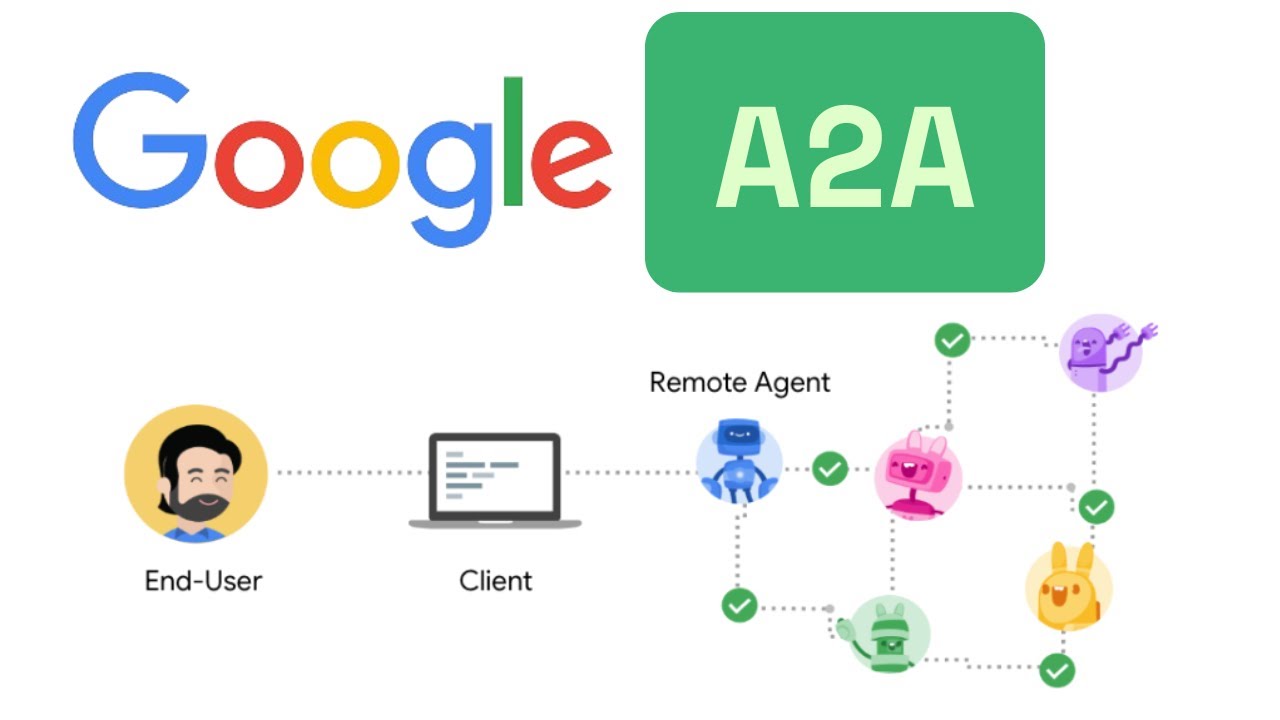
Looking forward: The protocol could accelerate adoption of AI driven commerce by reducing fears about payment security. Google has also published technical specs and reference implementations on GitHub so other companies can adopt AP2 and expand its ecosystem.
Rapport Therapeutics’ experimental drug RAP-219 cut seizures by an average of 77.8% in a Phase 2a trial, with nearly one in four patients experiencing no seizures during the two month treatment. The results are encouraging for people whose seizures persist despite multiple medications. The company plans to meet with the FDA before starting two Phase 3 trials next year. To improve adherence, Rapport is also developing a long acting injectable version.
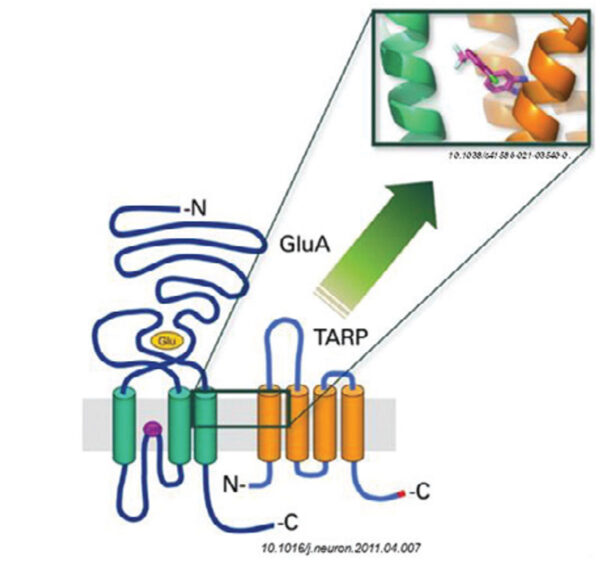
Retro Biosciences is preparing a clinical trial for a pill that aims to reverse Alzheimer’s disease. The treatment could restore cognitive function and reshape how longevity medicine is understood. Built on cellular reprogramming techniques, the trial will be the first test of its effects in humans.
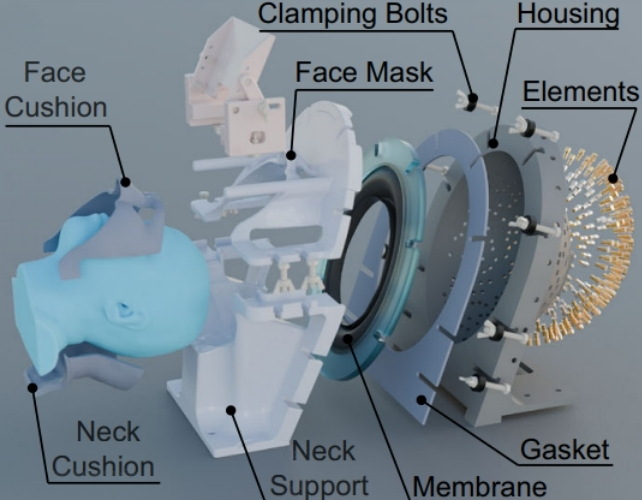
Researchers have designed an ultrasound helmet capable of modulating deep brain circuits without surgery. The device delivers unmatched precision while remaining safe, reversible, and repeatable. It could both advance brain research and offer new therapies for neurological conditions such as Parkinson’s disease, where deep brain activity is most affected.
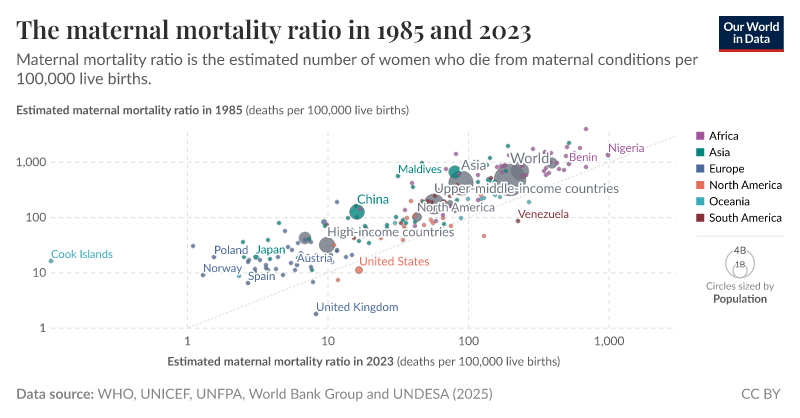
Between 1985 and 2023, global maternal mortality dropped by 57%, equivalent to roughly 365,000 fewer deaths per year.
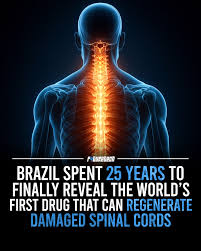
After 25 years of work, scientists in São Paulo have created a laminin based therapy that may reverse spinal cord injuries. In animal studies, the treatment reactivated dormant nerve pathways, restoring both movement and sensation after paralysis. Early human trials are planned, raising hopes for millions living with spinal cord damage.
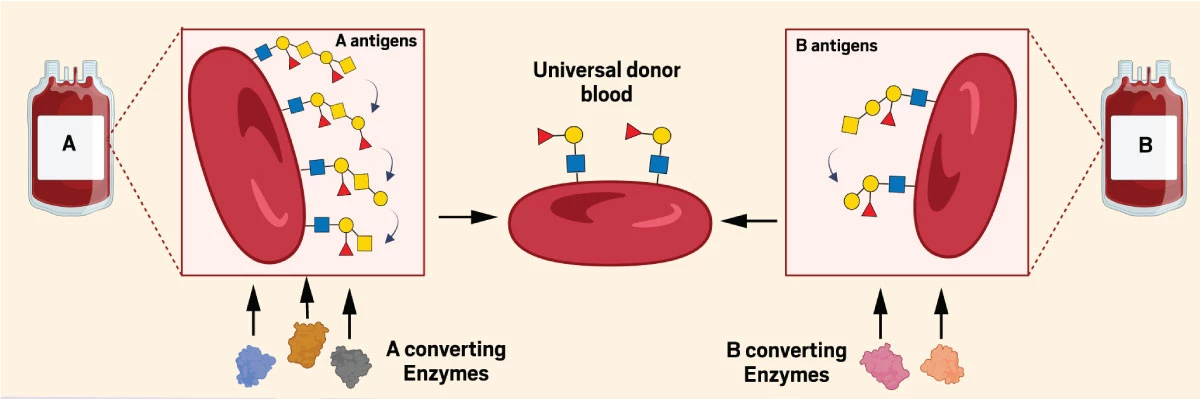
Israeli scientists have engineered enzymes that strip sugars from red blood cells, effectively turning all donated blood into universal type O. In lab studies, enzyme treated cells were compatible with every blood type, pointing to a potential solution for shortages and faster transfusions in emergencies.
Enjoying The Hillsberg Report? Share it with friends who might find it valuable!
Haven't signed up for the weekly notification?
Subscribe Now