Quote of the week
“Design is not just what it looks like and feels like. Design is how it works.”
- Steve Jobs
Edition 37 - September 14, 2025
“Design is not just what it looks like and feels like. Design is how it works.”
- Steve Jobs
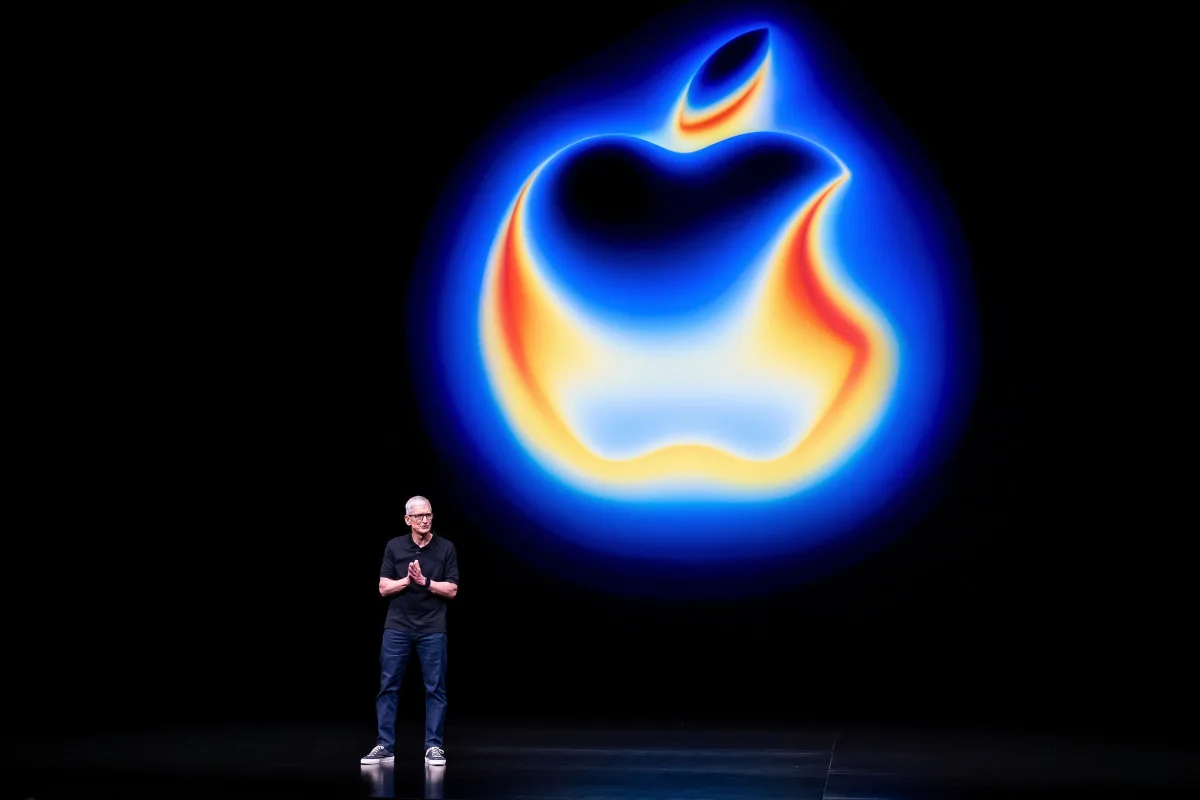
Apple held its annual fall showcase this week, and while the crowd got new iPhones, AirPods, and Watches, the bigger story might be what was missing. The company leaned hard into durability stats, charging speeds, and millimeter bragging rights, but offered surprisingly little in the way of fresh software or AI features.
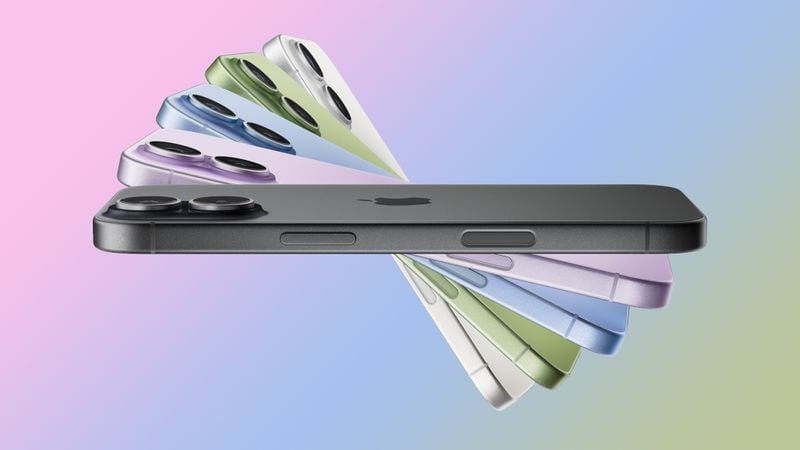
The iPhone 17 arrived with a 6.3" display, a tougher screen Apple swears is three times more scratch resistant (I will still use a case and protector anyway), and an A19 chip that charges halfway in twenty minutes. There is a camera upgrade too, though unless you are a photographer it is hard to parse what those improvements mean. Price: $799.
The iPhone Air is Apple’s new obsession with thinness, checking in at 5.6mm with a 6.5" display. It is supposedly the most durable iPhone ever per millimeter, which makes you wonder what people are doing with their phones that would bend metal. It is eSIM only, runs on an A19 Pro chip, and gets vague promises of all day battery life. Price: $999.
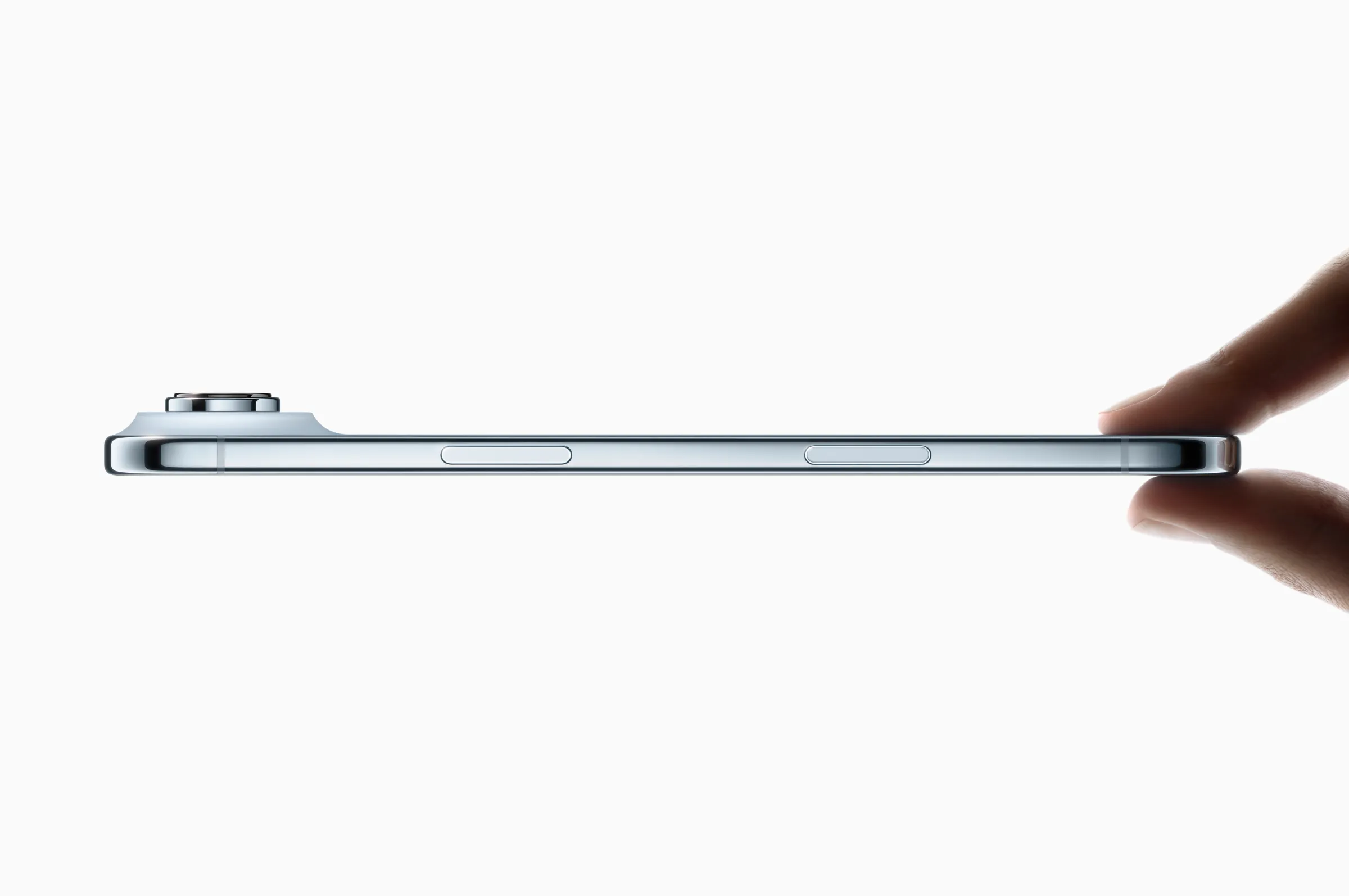
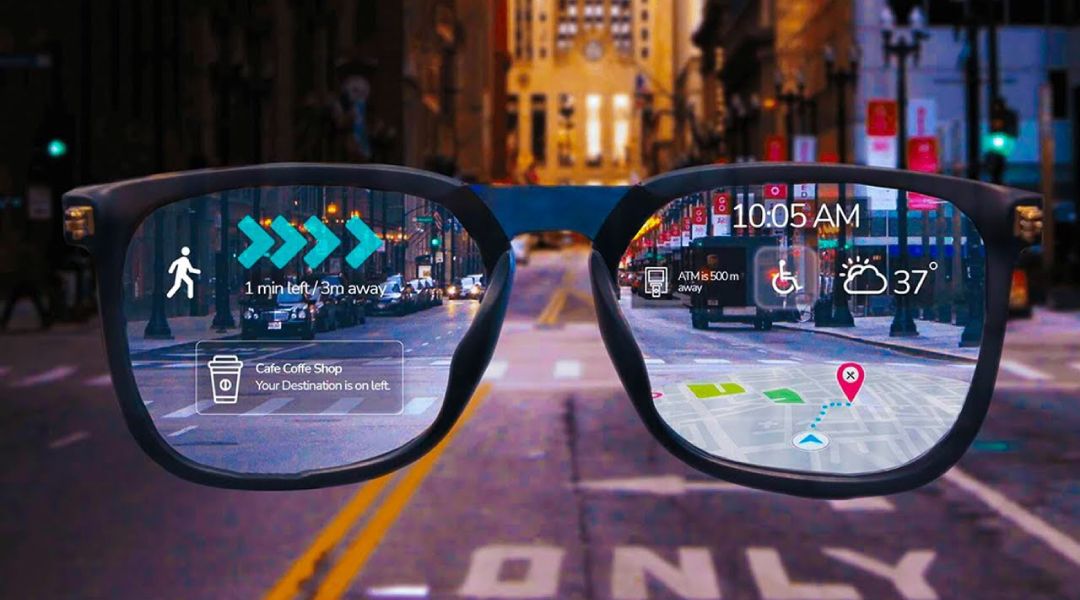
Here is where things get interesting. I have read the theory that Apple may not just be chasing thinness for thinness’ sake. Instead, the iPhone Air could be a stepping stone, a way to prepare factory partners for building state of the art AR glasses. That would be a brilliant long term move, training the supply chain to work with extreme tolerances now so they can produce featherlight wearable tech later. Do I fully trust Apple’s management to be that forward thinking? Not really. But if they are, then the Air might be less about selling another iPhone and more about building toward the company’s first true new product category in years. And that actually excites me.
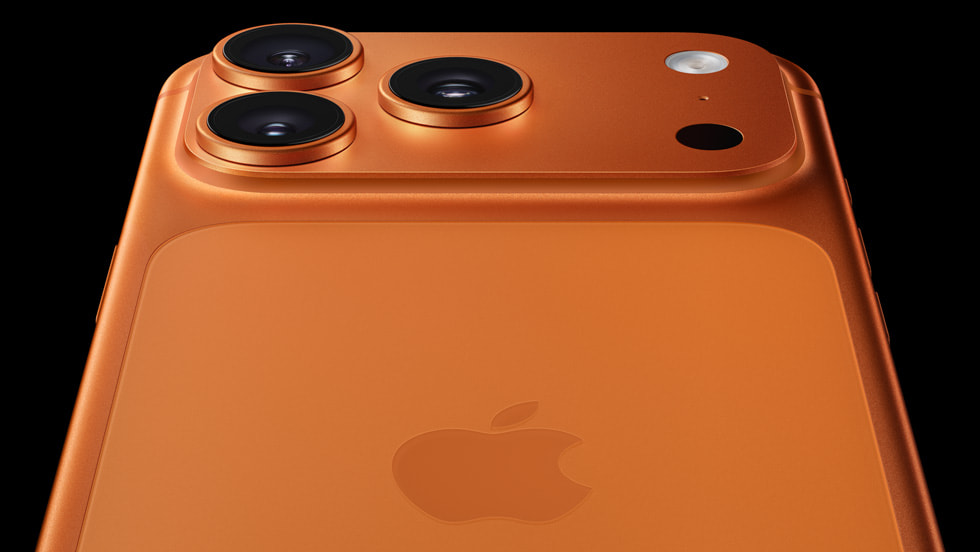
Then there is the iPhone 17 Pro, which brings a divisive cosmic orange color, 48 megapixel fusion cameras across the board, and an 8x zoom. Apple leaned hard into gaming demos here, which feels odd given no one really considers the iPhone a great gaming experience. Prices start at $1,099, with the Pro Max at $1,199.
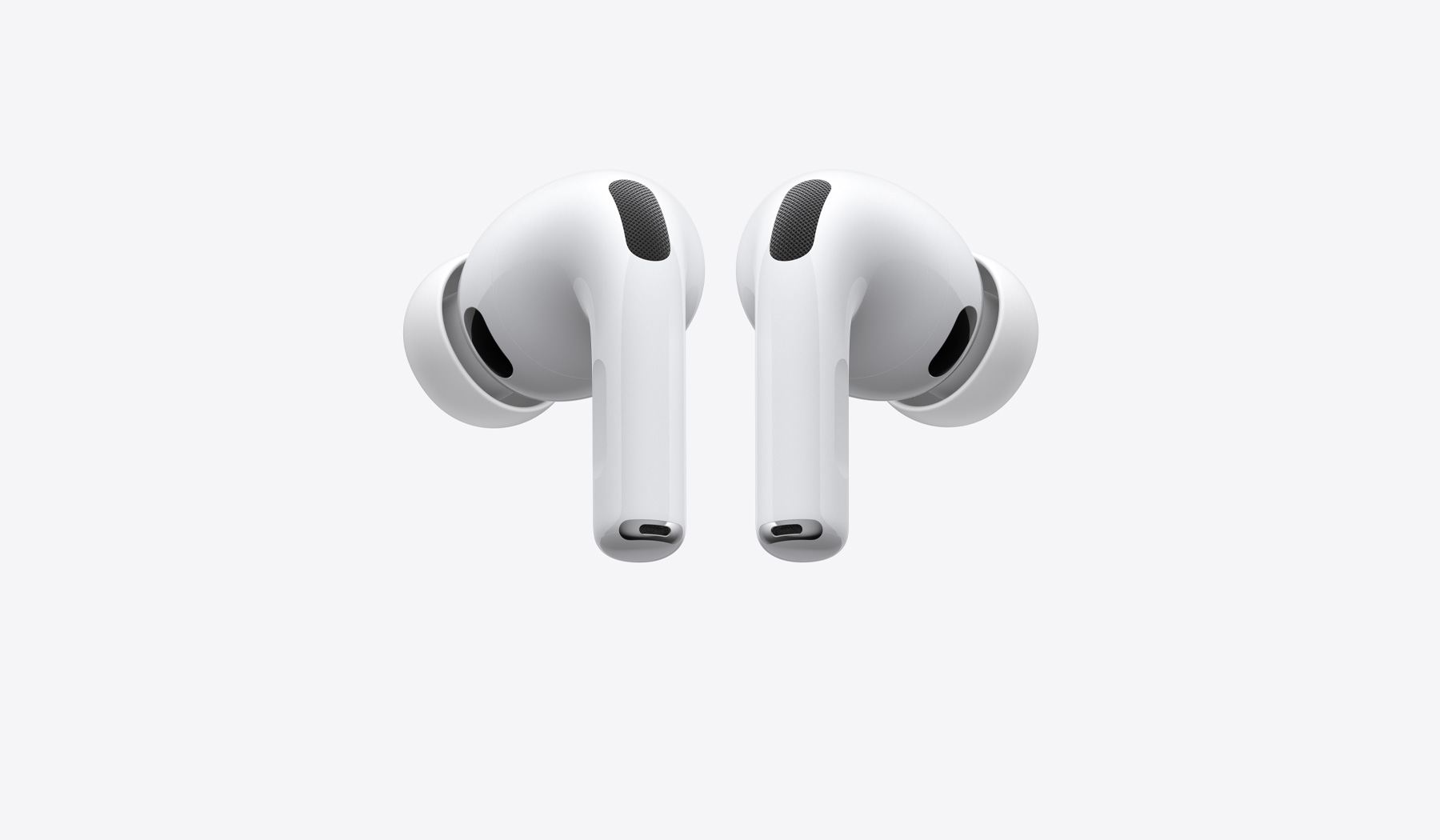
The AirPods Pro 3 were easily the most futuristic thing on stage. Twice the noise cancellation, sure, but more importantly, live translation. With a gesture, your speech becomes translated text on your iPhone. Talk to another AirPods user, and each of you hears the other in your own language, in real time. Add in heart rate sensing, and the $249 price tag suddenly feels like you are buying a piece of the future.
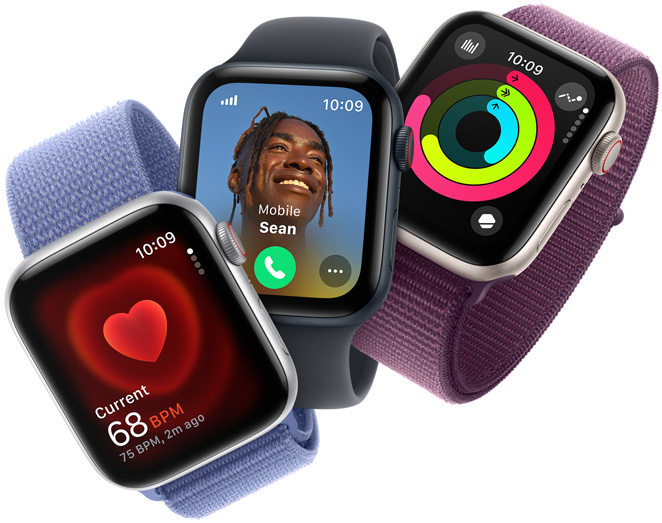
Apple Watch Series 11 introduced 5G support, hypertension sensing, a new sleep score, and a scratch resistance upgrade. Battery life remains 24 hours. The SE3 inherits many of these features with an S10 chip, faster charging, and an 18 hour battery. At the top of the line, the Ultra 3 now boasts satellite connectivity and 42 hours of battery life. More features, yes, but mostly more metrics.
Apple seems stuck polishing its existing lineup while hinting at where it could go. Translation on AirPods points toward AI driven experiences, but beyond that, the company largely played it safe. Thinness, scratch tests, and charging speeds cannot disguise the fact that most people hold onto their phones for five or more years. Yearly iterations feel more like tradition than necessity.
If the iPhone Air really is part of a grand plan for AR glasses, then maybe Apple’s obsession with millimeters and durability stats is not as trivial as it looks. It would signal that Apple is once again laying the groundwork for a new device category, something it has not done since the Watch. But until that vision materializes, we are left with polished updates to familiar devices and a nagging sense that Apple’s AI story is still missing.
Meanwhile, basic gaps remain. Why cant my iPhone remind me when its a friend’s birthday? Why is Apple Music still so bad at recommending songs when Spotify and TikTok have cracked the personalization game? For a company sitting on world class machine learning talent, the absence of everyday AI feels louder than any orange iPhone.
Bottom line: Apple’s September event delivered shinier, tougher, faster devices, but the real excitement lies in the possibility that one of them might be secretly training the factories of the future.
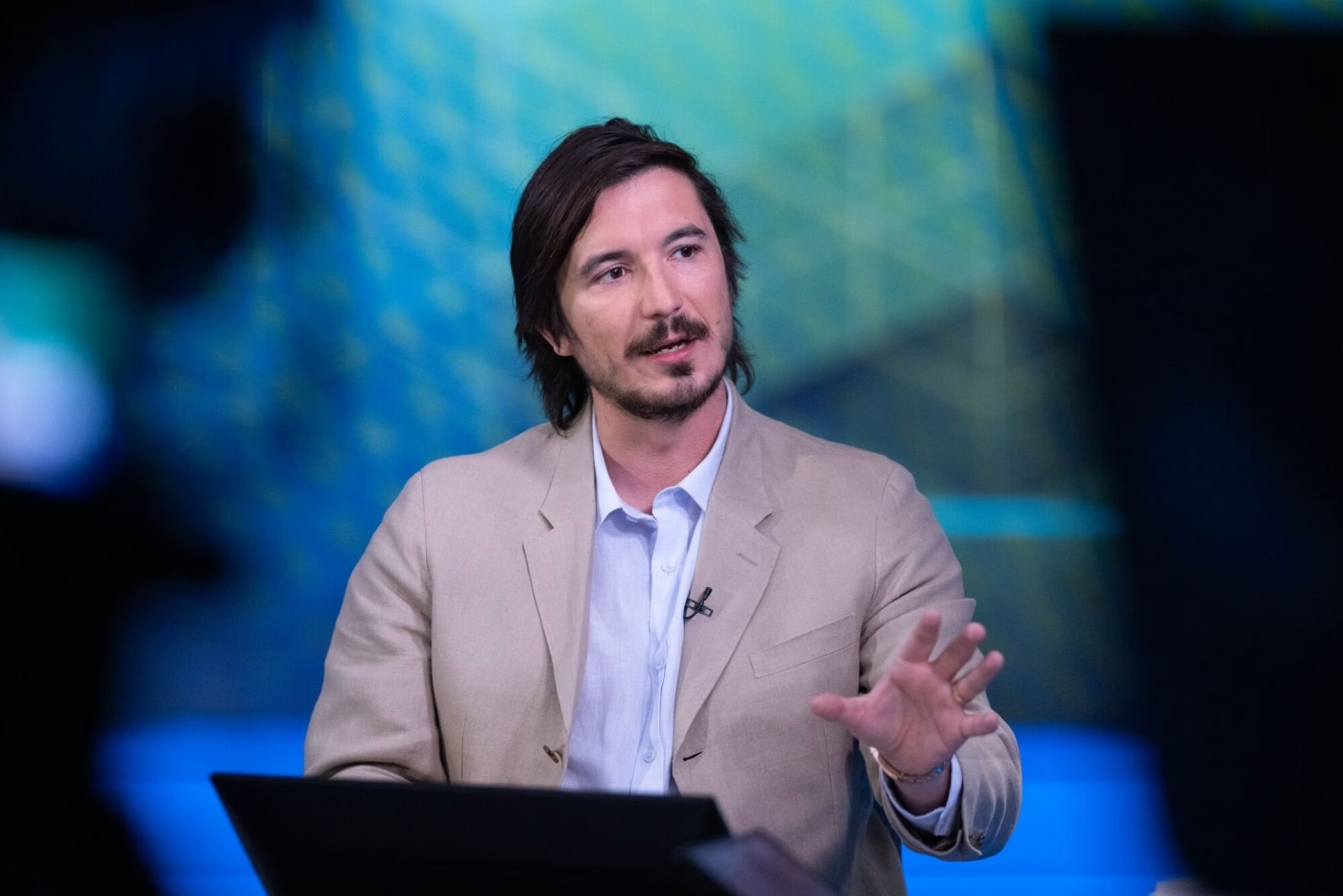
Robinhood is expanding beyond trading and into social networking. The brokerage announced Robinhood Social, a new platform built directly into its app that allows users to share trades, follow other investors, and even track the moves of public figures like Mark Zuckerberg and Nancy Pelosi. Posts will resemble short updates, much like on Reddit or X, but with a twist: trades are verified. Users can see when someone entered or exited a position and even view their performance stats, a feature meant to cut through the noise and uncertainty that usually comes with stock chatter online. Robinhood will roll out the beta to about 10,000 users in early 2026 before opening it more widely.
For me, this news brought back a memory of when I first discovered Robinhood as a freshman in college. I was sitting in a marketing class, not paying much attention, when a friend sent me a referral link. I signed up, got a couple of free stocks, and immediately noticed how different it felt compared to traditional brokers. The fractional trading and slick interface made the older platforms look outdated, stuck in app designs from five years prior. Robinhood stood out because it was built for the way we actually interact with technology.
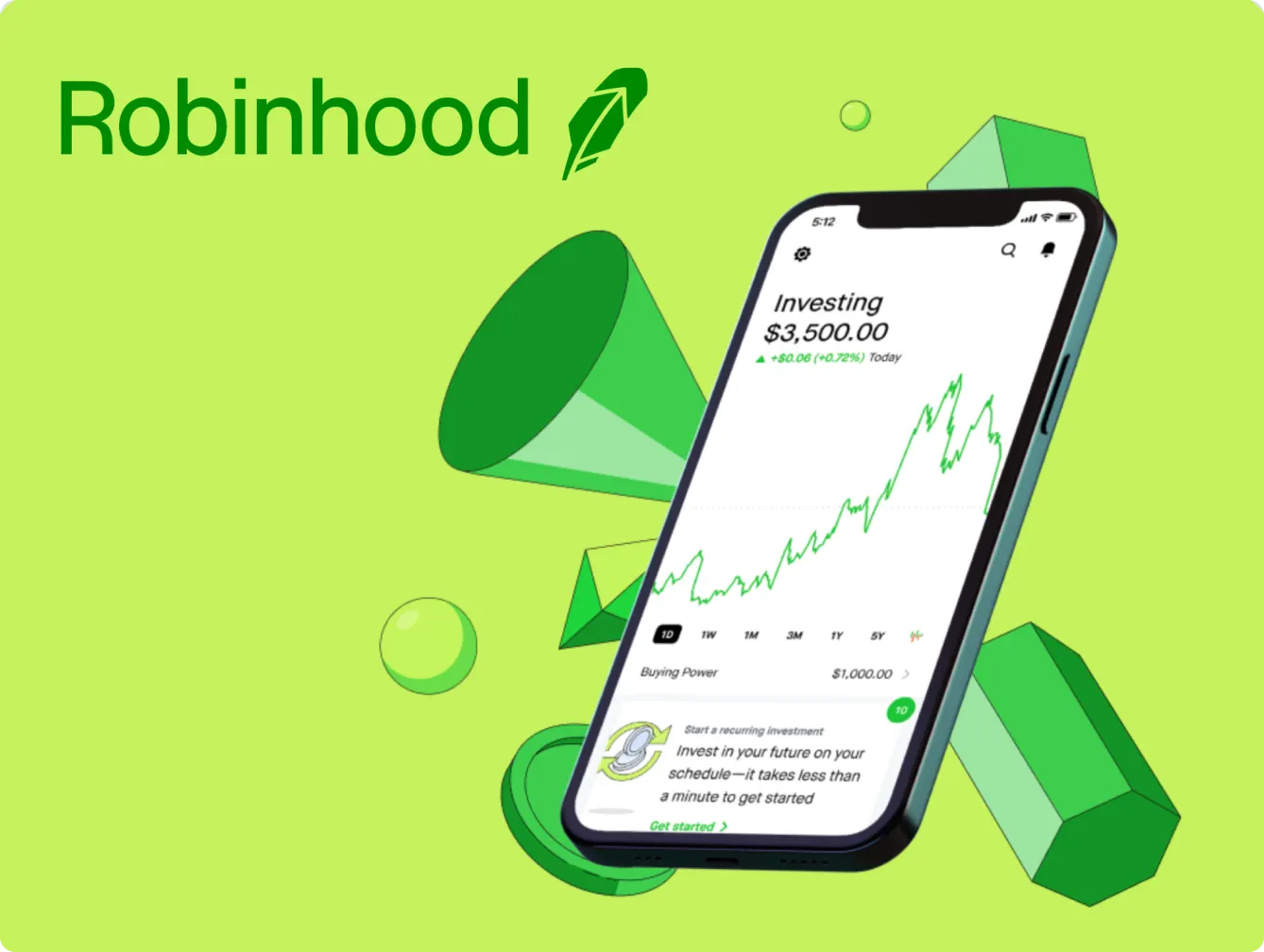
Now, by leaning into community, Robinhood is playing a smart strategic card. If you already have a product with strong daily usage and a loyal base, building social features can lock people in even further. Not every app can pull this off. Most simply do not have the level of engagement required for users to care what others are doing inside the same ecosystem. But the top apps that do, whether in finance, messaging, or commerce, have the chance to become more than just utilities. They become habits, even destinations. That is the play Robinhood seems to be making.
There are two competing stories about the future of AI companies. The first is the pursuit of Artificial General Intelligence, the dream of one model that can solve almost any problem. The second is Reinforcement Learning as a Service (RLaaS), where many smaller models are trained for specific tasks using carefully designed datasets and reinforcement learning techniques.
The case for RLaaS is compelling. Specialized models already deliver top performance when trained on well defined problems, and decades of research show that more data on a given task consistently improves results. The hope that progress in one domain will easily transfer to another has proven weak. For businesses and investors, RLaaS represents the safer and more proven path.
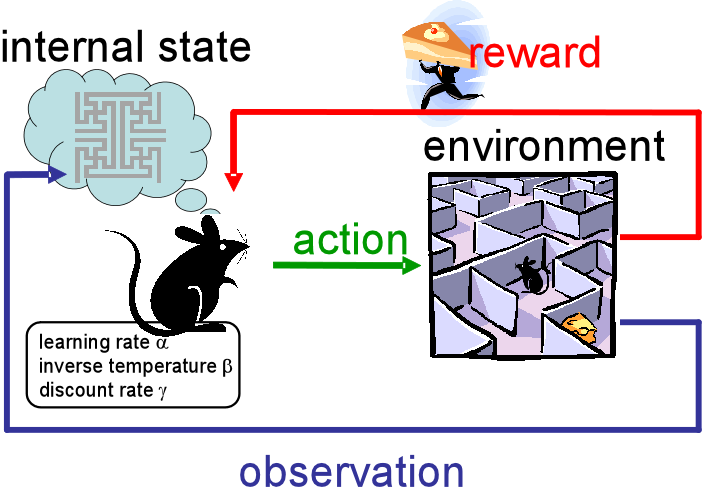
RLaaS also makes sense economically. Specialized models are cheaper to run, simpler to maintain, and harder for competitors to copy since they rely on proprietary datasets. AGI, by contrast, would be far harder to control, and its breakthroughs could spread quickly. Most importantly, specialized models are naturally aligned to their users, while a model designed to “think about anything” carries far greater risks of misalignment.
I also see consulting for model customization and tuning as an untapped market. Today, many individuals and small firms offer these services, but there is no dominant player that executives consistently reference in boardroom discussions. That gap is unlikely to last. As demand for tailored AI grows, companies capable of handling the full lifecycle — from dataset design to deployment — will be positioned for outsized rewards.
The conclusion is straightforward: RLaaS is likely to outcompete AGI efforts in terms of market fit, economics, and safety. Encouraging this direction could slow the risky sprint toward general intelligence while creating a more controlled, practical path forward. Risks remain, especially in misuse or chaining too many specialized models, but a world built on RLaaS looks safer and more sustainable than one betting everything on AGI.
A Boston startup called AlterEgo just introduced a wearable that feels like something out of science fiction. It allows silent communication with computers by detecting subtle signals from the muscles in your jaw and throat when you form words in your head. These signals are decoded by machine learning and sent as commands or text, with responses delivered privately through bone conduction audio. The company describes the experience as near telepathic.
This builds on research first demonstrated at MIT in 2018, when AlterEgo’s founder Arnav Kapur showed that subvocal speech could be captured accurately enough to control basic systems. The current version stands out for its integration of established technologies like electromyography and bone conduction into a discreet, real-time device. Unlike Neuralink’s brain implants or Meta’s wristbands, AlterEgo does not try to decode thoughts. It only registers intentional motor signals, which the company argues makes it both practical and privacy-preserving.
The potential applications are wide ranging. Whisper a command to an AI assistant in a crowded room without anyone hearing you. Give people with speech impairments a new way to interact with the world. Replace keyboards or voice input with something lighter and more natural. AlterEgo has not yet shared funding or launch plans, but it is scheduled to debut the device publicly at the Axios AI+ Summit later this month. If it performs as advertised, it could become the most human way yet to communicate with machines.
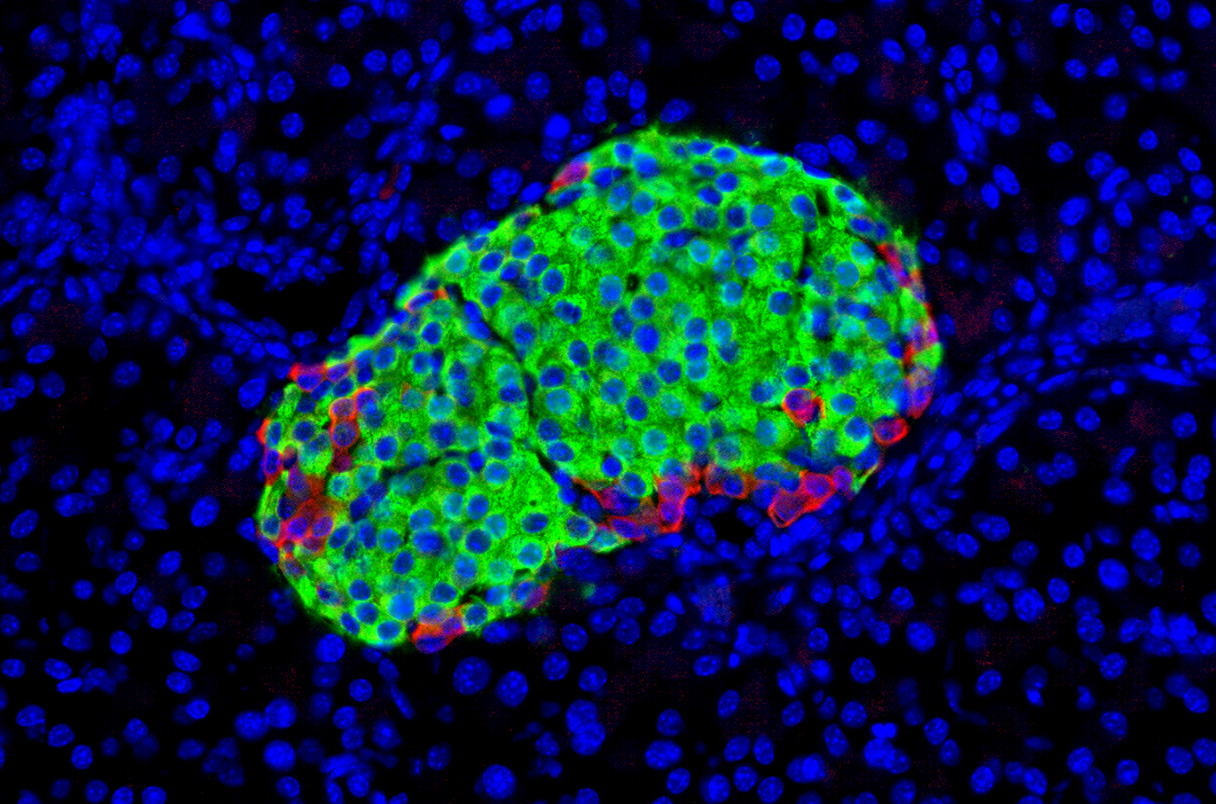
Sana Biotechnology, a firm in Seattle, Washington, has successfully implanted CRISPR-edited pancreas cells into a person with type 1 diabetes without the need for immune-dampening drugs. The cells, collected from a deceased donor, were able to produce insulin for months. Currently, the only way for someone with type 1 diabetes to avoid dependence on injected insulin is through the transplantation of cadaveric islet cells, but this requires lifelong immune-suppressing drug therapy. Sana's solution bypasses the need for those drugs entirely.
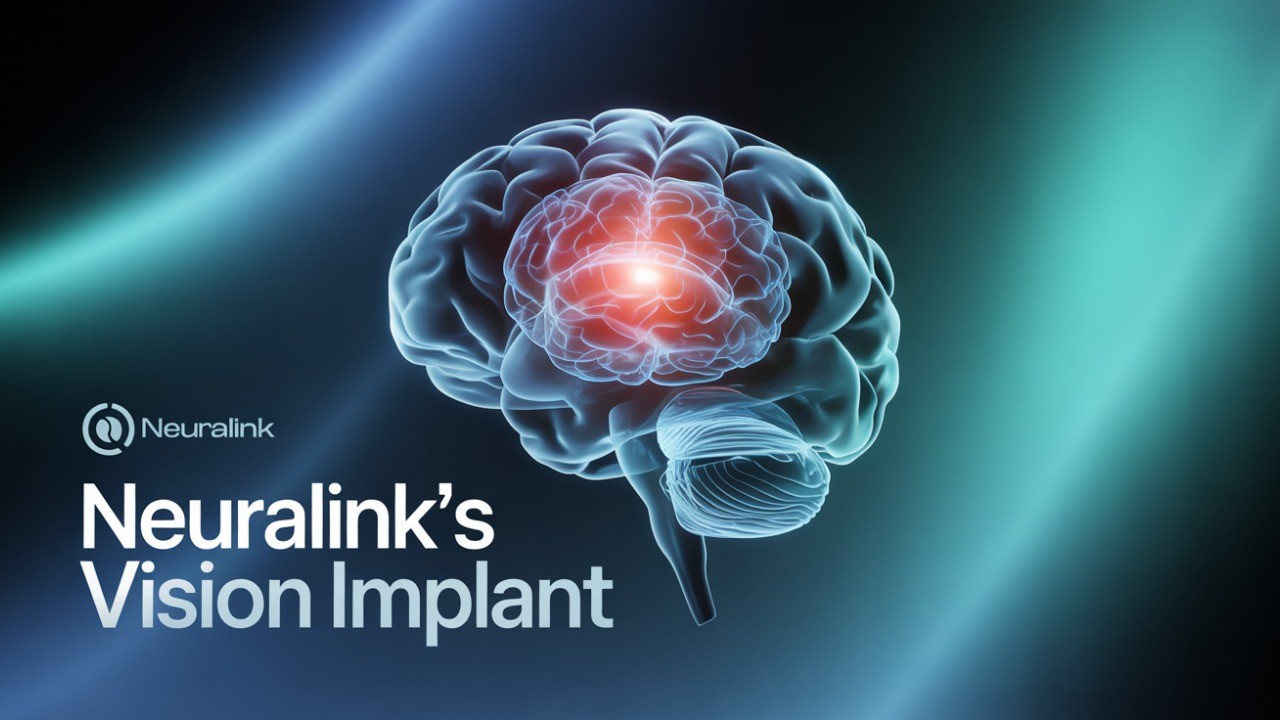
Neuralink could attempt to restore limited sight to visually impaired patients as early as 2026. Blindsight is a brain-computer interface designed to restore vision. It targets the brain's visual cortex to generate visual perception, which means that vision could be restored even for people who were born blind. Blindsight has received a 'breakthrough device' designation from the US FDA.
Takeda Pharmaceutical has developed a drug that significantly improves outcomes for narcoleptic patients. The drug, called oveporexton, could become the first treatment to target the root cause of the chronic sleep disorder. Patients who take the drug experience increased daytime alertness, fewer episodes of sudden muscle tone loss, and overall improvement in quality of life. No serious side effects have been reported, but some patients report insomnia and increased urinary urgency and frequency. The company plans to file for regulatory approvals globally by March.
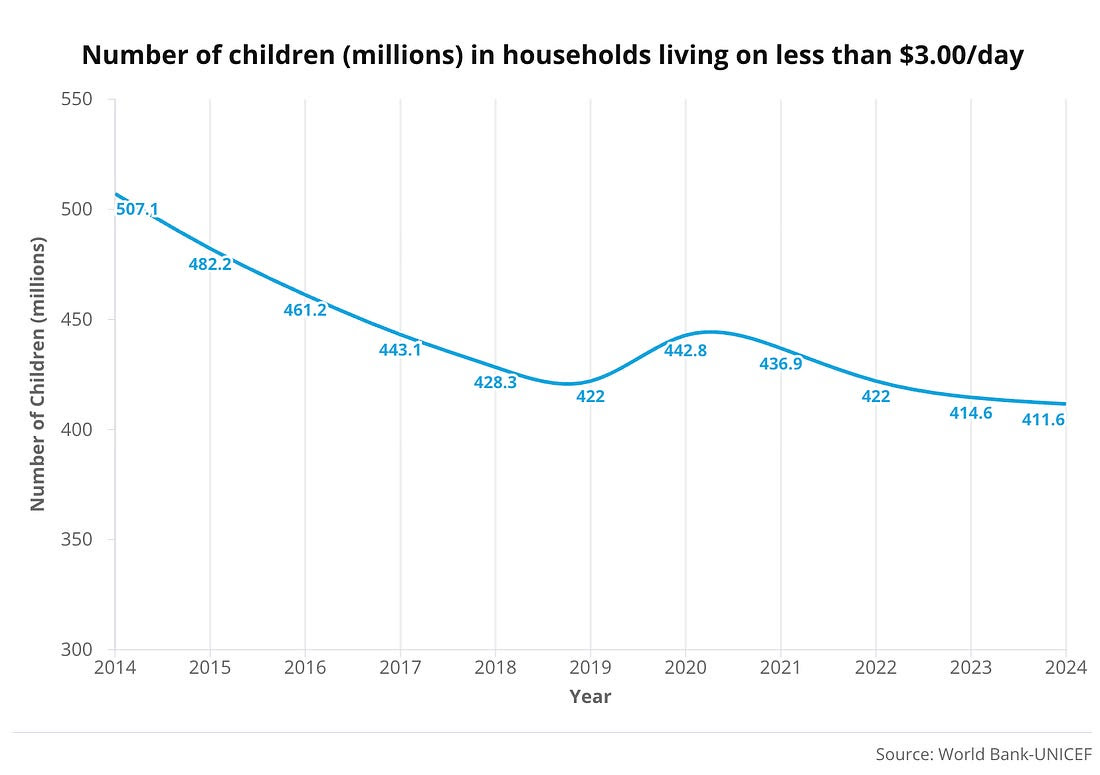
Nearly 100 million fewer children live in extreme poverty today than a decade ago. The global total dropped from 507 million in 2014 to 412 million in 2024, even with population growth and the setbacks of COVID-19. South Asia, led by India, cut extreme child poverty by two-thirds, and East Asia saw similar progress. Now, the burden is concentrated in sub-Saharan Africa and in fragile, conflict-affected regions.
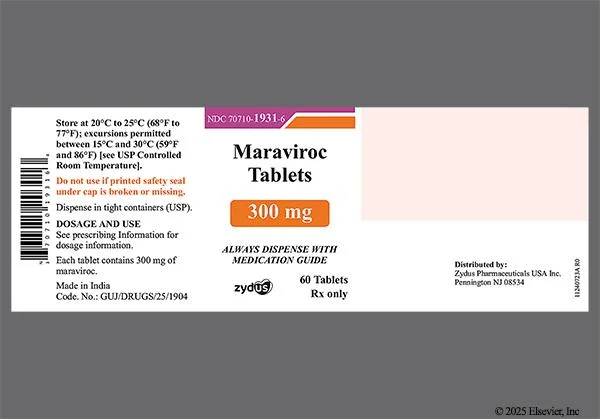
A drug once set aside for HIV treatment may hold surprising promise for brain repair. Maraviroc, first designed to block a receptor the virus uses to enter cells, is now being tested as a “neurorehabilitation pill.” Early studies suggest it can extend the brain’s rewiring window after trauma or stroke, boosting plasticity and allowing patients to regain skills and movement long after standard rehabilitation would normally plateau.
Enjoying The Hillsberg Report? Share it with friends who might find it valuable!
Haven't signed up for the weekly notification?
Subscribe Now