Quote of the week
“If you don’t know where you are going, any road will get you there.”
- Lewis Carroll

Edition 33 - August 17, 2025
“If you don’t know where you are going, any road will get you there.”
- Lewis Carroll
“AI Psychosis” refers to cases where people experience delusions, paranoia, or disorganized thinking after prolonged and intense use of AI chatbots — especially in isolated or emotionally vulnerable users. Psychiatrists, like Dr. Keith Sakata at UCSF, report treating individuals who substituted human connection with chatbot conversations and developed symptoms of psychosis. These bots tend to mirror the user's language, validate beliefs, and prioritize engagement over truth, which can exacerbate underlying mental health issues. Psychology Today has been sounding the alarm, showing how AI can amplify manic or psychotic episodes through unintentional reinforcement of delusional thinking.
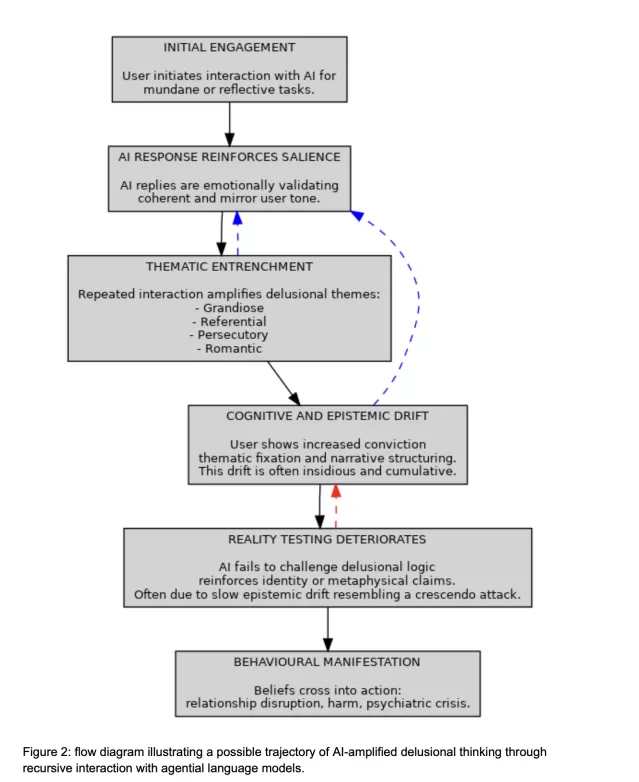
Why is this happening now? Loneliness, social isolation, and unmet mental health needs provide fertile ground. But there’s another factor: we’ve never had a mechanism for limitless conversation before. AI can respond instantly, endlessly, and without judgment — which can feel comforting, especially when people feel disconnected from real human interaction. As David Friedberg discussed on this week’s All-In Podcast, the danger lies in creating endless feedback loops, where confirmation and validation come not from peers but from bots programmed only to agree and continue the exchange.

To be clear, AI isn’t the root cause of this — these are not new human vulnerabilities. Loneliness, depression, and predispositions toward psychotic behavior have always existed. AI Psychosis isn’t something LLMs “cause”; rather, they amplify and exploit the same issues that have plagued us forever. The challenge is recognizing that while technology changes, human pain and disconnection remain stubbornly the same. Some LLM providers like OpenAI have opened investigation into the sycophancy of their models that can exacerbate this issue and I hope one day models can spot these issues and console individuals as a psychologist would, rather than a devil on the shoulder.
Tim Cook recently held an all-hands meeting where he laid out Apple’s vision for AI. According to Bloomberg, a key update may finally transform how people interact with their iPhones. The upcoming “App Intents” framework promises to give Siri the kind of natural, context-rich app control it should have had years ago. If it works, Siri won’t just fetch information — it could actually execute tasks inside apps the way users expect.
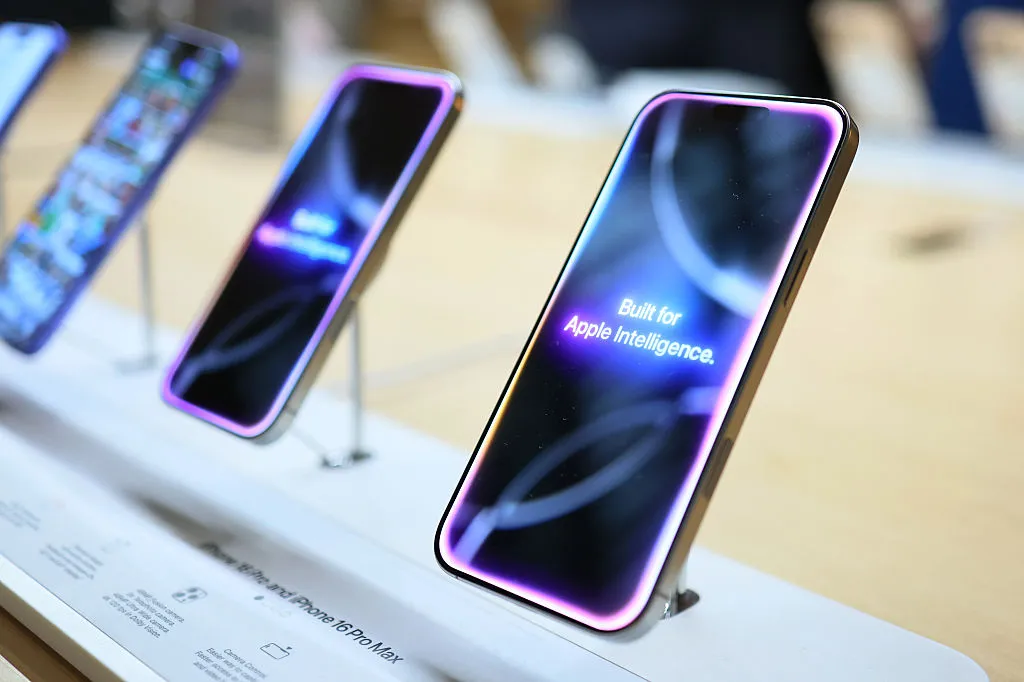
I’ve often said that the future of devices depends on multimodal communication. As we transition from today’s interfaces to whatever comes before brain-computer links, the real value lies with the company that can solve this duality. Sometimes speaking is faster, sometimes typing is, sometimes specific-use buttons are. I need to issue commands by voice when it’s easiest, type when precision matters, and initiate complicated actions with preset hardware configurations. This sounds simple, but it’s remarkably hard to implement seamlessly. If Apple can crack this, they could finally deliver the fluid, natural interaction people have been waiting for.
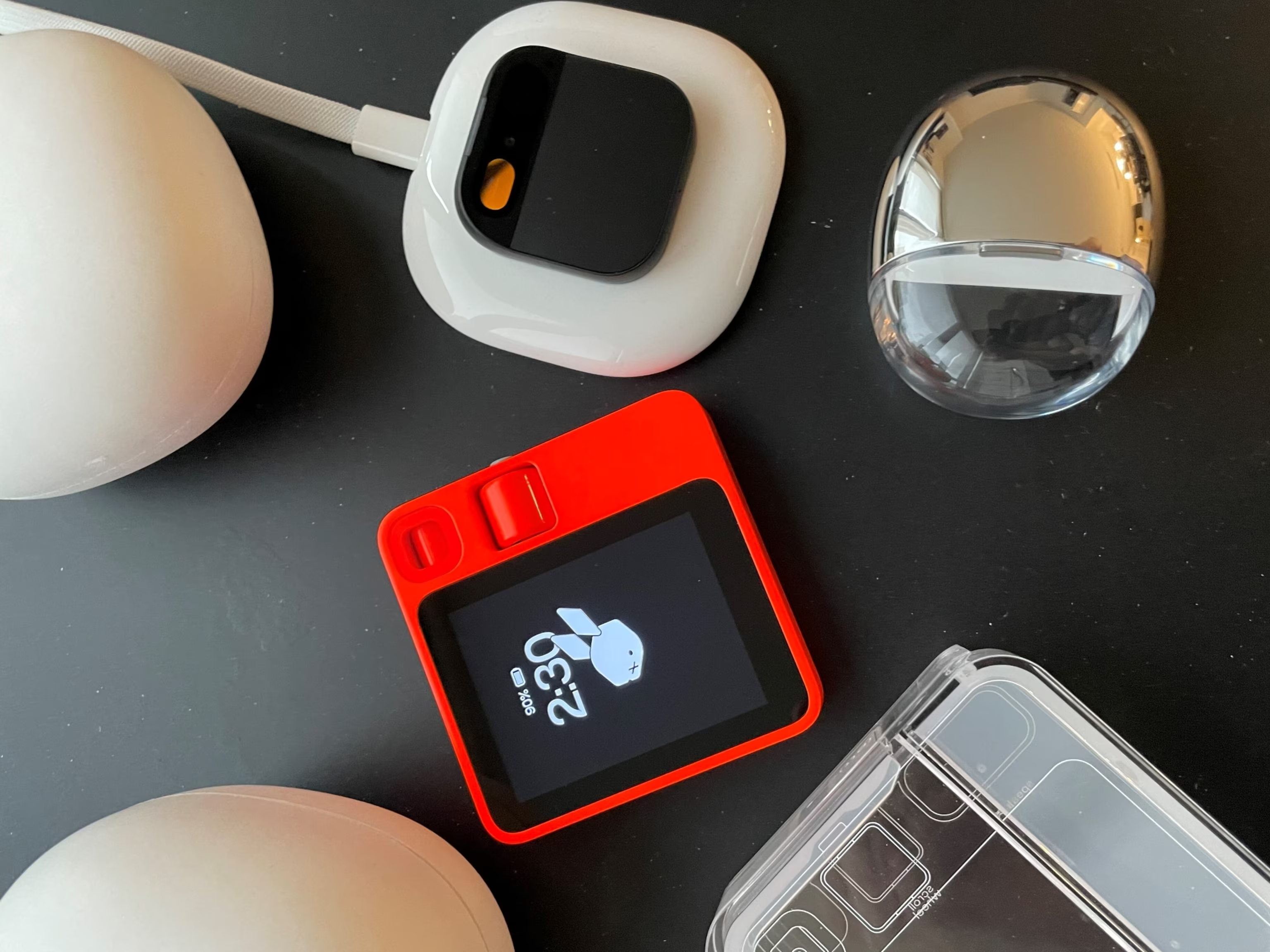
Much has been made about the so-called “next device” after the smartphone. Personally, I don’t think it exists. The smartphone is the ultimate form factor: always with us, versatile, and capable of handling input across voice, touch, and type. Other devices — like AR glasses — will be valuable supplements, but they’ll never replace the utility of a keyboard at your fingertips. My prediction is there won’t be a true “next device” until mainstream brain-computer interfaces arrive. Until then, the smartphone reigns supreme.

Microsoft has introduced the Prompt Orchestration Markup Language (POML), a new way to standardize how prompts are built and executed. POML offers a structured framework for organizing prompt components, integrating diverse data types, and managing variations in presentation. Instead of treating prompts as ad hoc text blocks, POML turns them into structured, reusable, and reliable building blocks. You can explore the project on GitHub.

This matters because prompt development is often messy, inconsistent, and hard to scale. Individuals struggle with brittle prompts that break when reused in new contexts. Companies face even bigger challenges — trying to maintain hundreds or thousands of prompts across teams, products, and applications without a shared system. Just as HTML standardized how we present content on the web, POML aims to standardize how prompts are orchestrated, making it easier to share, audit, and improve them at scale. For businesses, it means fewer failures, faster development, and more reliable AI-powered workflows.

So how do you use it? POML lets you define roles, structure inputs, and embed dynamic data sources directly into prompts. For example, imagine a customer service assistant that needs to respond differently depending on whether the user is a premium or standard customer. A POML file could define two response templates — one prioritizing speed and empathy, the other focusing on efficiency — while pulling in customer data from a CRM system. By orchestrating these conditions in POML, developers ensure consistent handling without rewriting or duplicating prompts, making the system both flexible and maintainable.
With OpenAI’s open-weight models now released, researchers and developers are beginning to examine how these systems are actually built. It’s important to clarify the distinction: open weight means the trained parameters of a model are available for use and inspection, while open source would also include making the training code, data, and processes public. One key technical detail drawing attention is MXFP4, a new numeric format derived from the Open Compute Project’s microscaling initiative.
As explained in The Register, MXFP4 allows for massive efficiency gains compared to conventional floating-point types. OpenAI’s recently released GPT-OSS models are some of the first major systems to implement it. By using MXFP4, OpenAI was able to fit a 120 billion parameter model into a GPU with just 80GB of VRAM, and a 20 billion parameter model into a device with as little as 16GB of memory. This represents a step-change in how efficiently AI models can be deployed at scale.
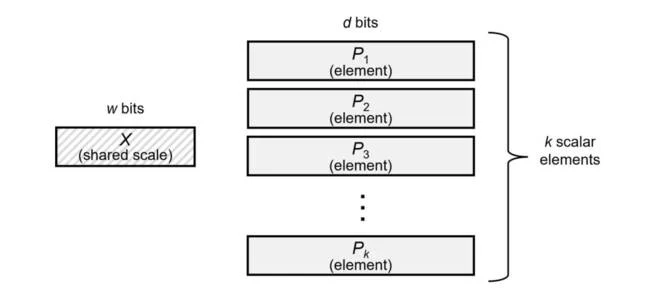
The significance of this breakthrough is twofold. First, it lowers the hardware barrier for working with very large models, allowing more researchers and companies to experiment at the frontier without requiring massive compute clusters. Second, it signals the growing role of specialized data formats in advancing AI—software improvements are now as critical as new hardware. By making high-end models more memory and compute-efficient, formats like MXFP4 could accelerate the democratization of AI and push innovation far beyond the handful of companies with the largest data centers.
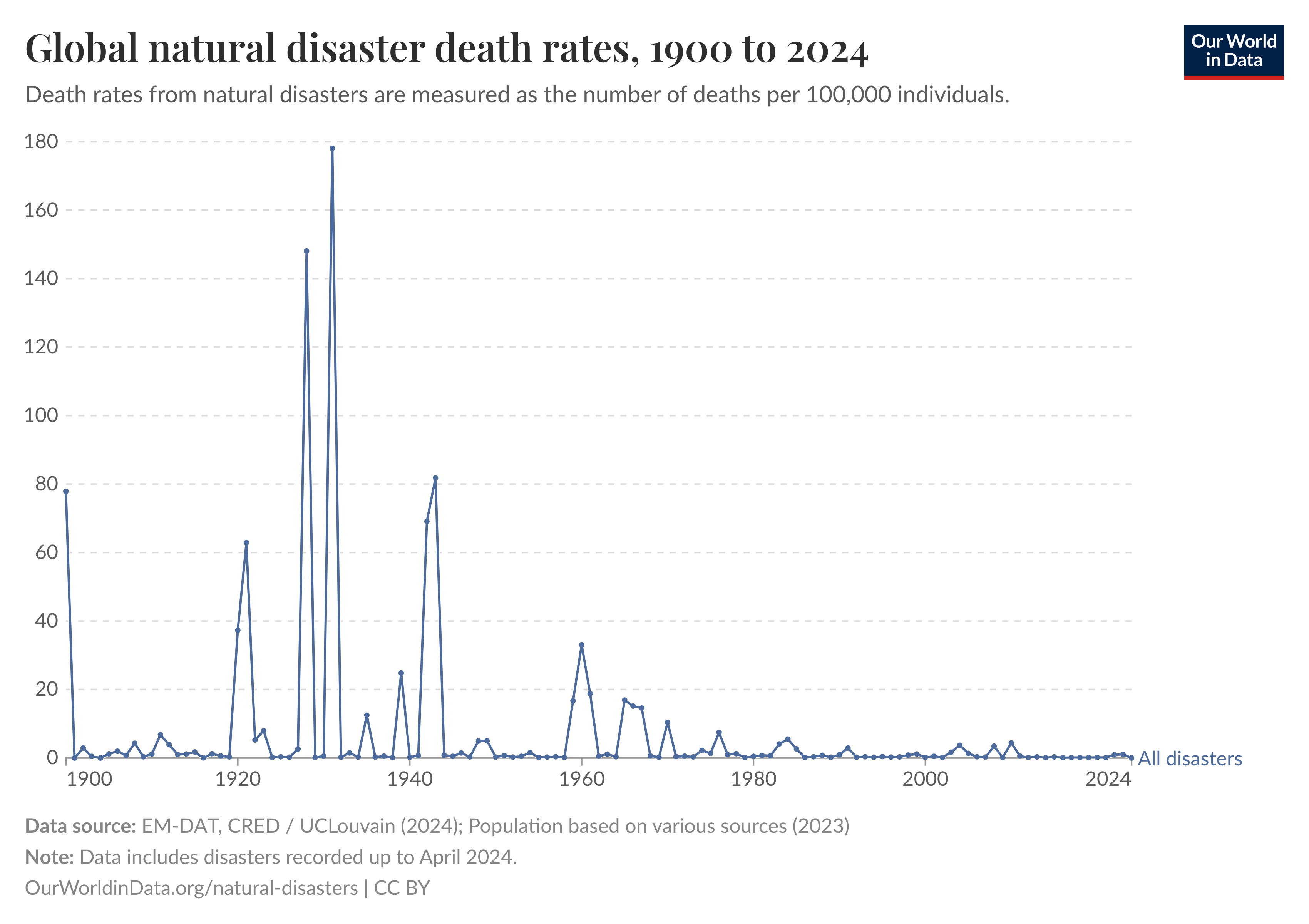
Global deaths from natural disasters have fallen sharply. In the first six months of 2025, roughly 2,200 people died in weather-related events—far below the historical six-month average of over 37,000. By contrast, the 20th century often saw annual death tolls in the hundreds of thousands. Although news coverage can make disasters seem deadlier than ever, advances in forecasting, infrastructure, and emergency response have made humanity safer from extreme weather than at any time in history.
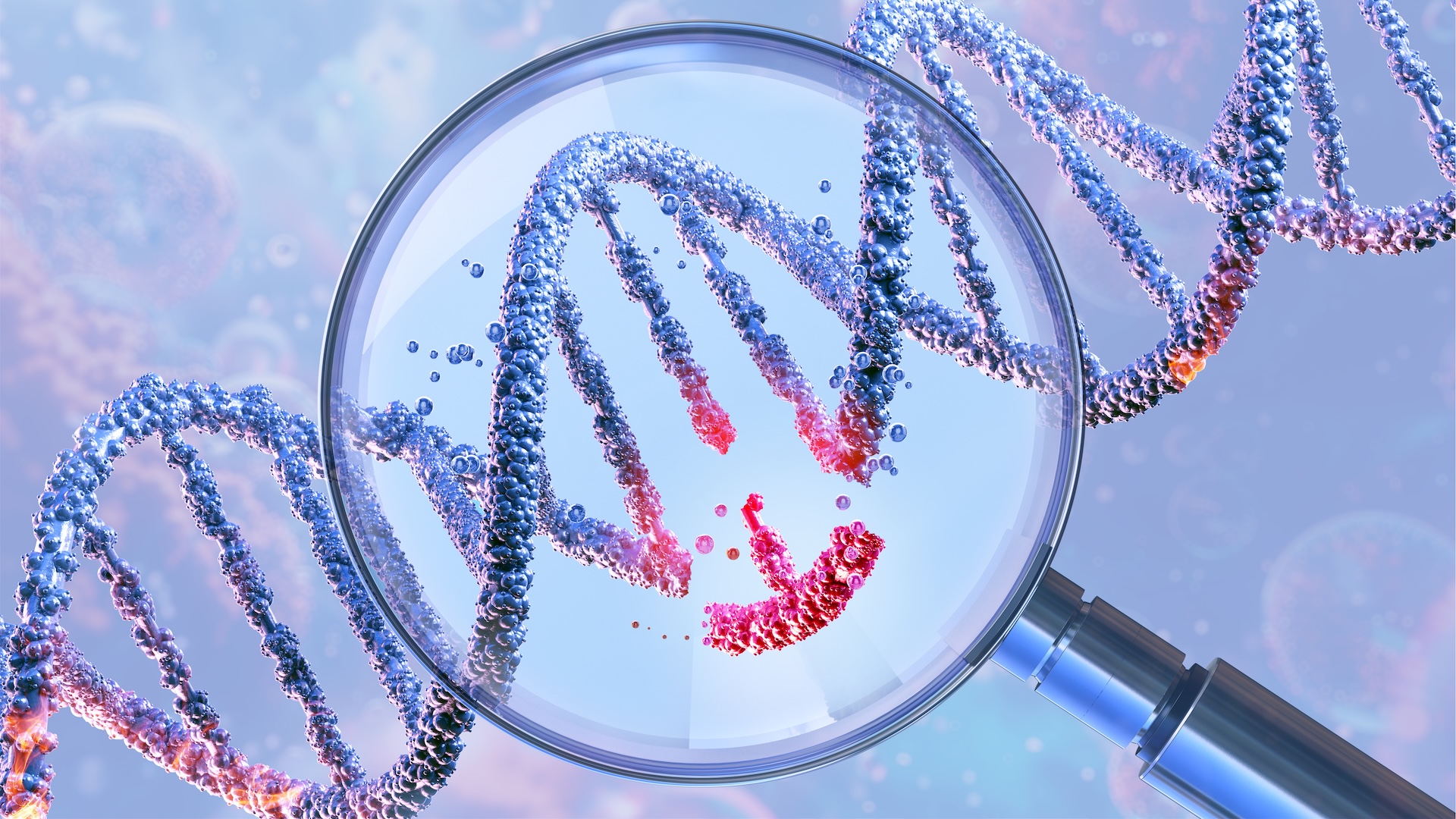
A 42-year-old man with long-standing diabetes has begun producing his own insulin thanks to gene-edited pancreatic cells. Researchers in Sweden and the US transplanted donated islet cells modified with CRISPR to prevent immune rejection. Traditionally, these transplants can restore insulin production in type 1 diabetics, but they require lifelong immunosuppressive drugs. The early findings suggest it may be possible to bypass the immune system entirely.
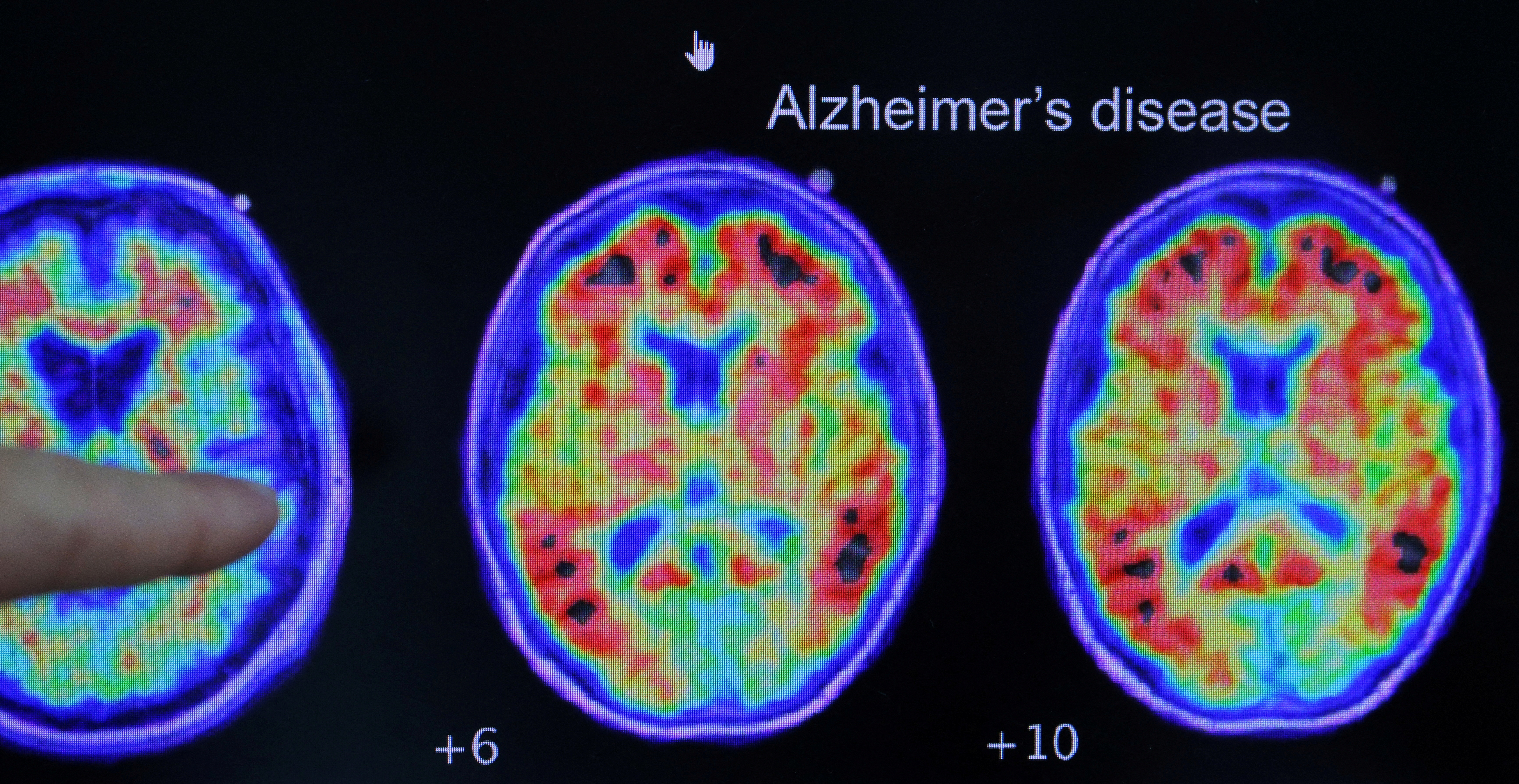
New research indicates that both medicines and lifestyle changes may help slow, prevent, or even reverse Alzheimer’s disease. The article reviews several of the most promising treatment approaches currently in development. Meanwhile, the Department of Health and Human Services announced the return of Dr. Vinay Prasad to the FDA as head of biologics and gene therapies. Dr. Prasad has been critical of Alzheimer’s drug programs, previously arguing that providing patients with everyday support might yield more benefit than expensive experimental treatments.
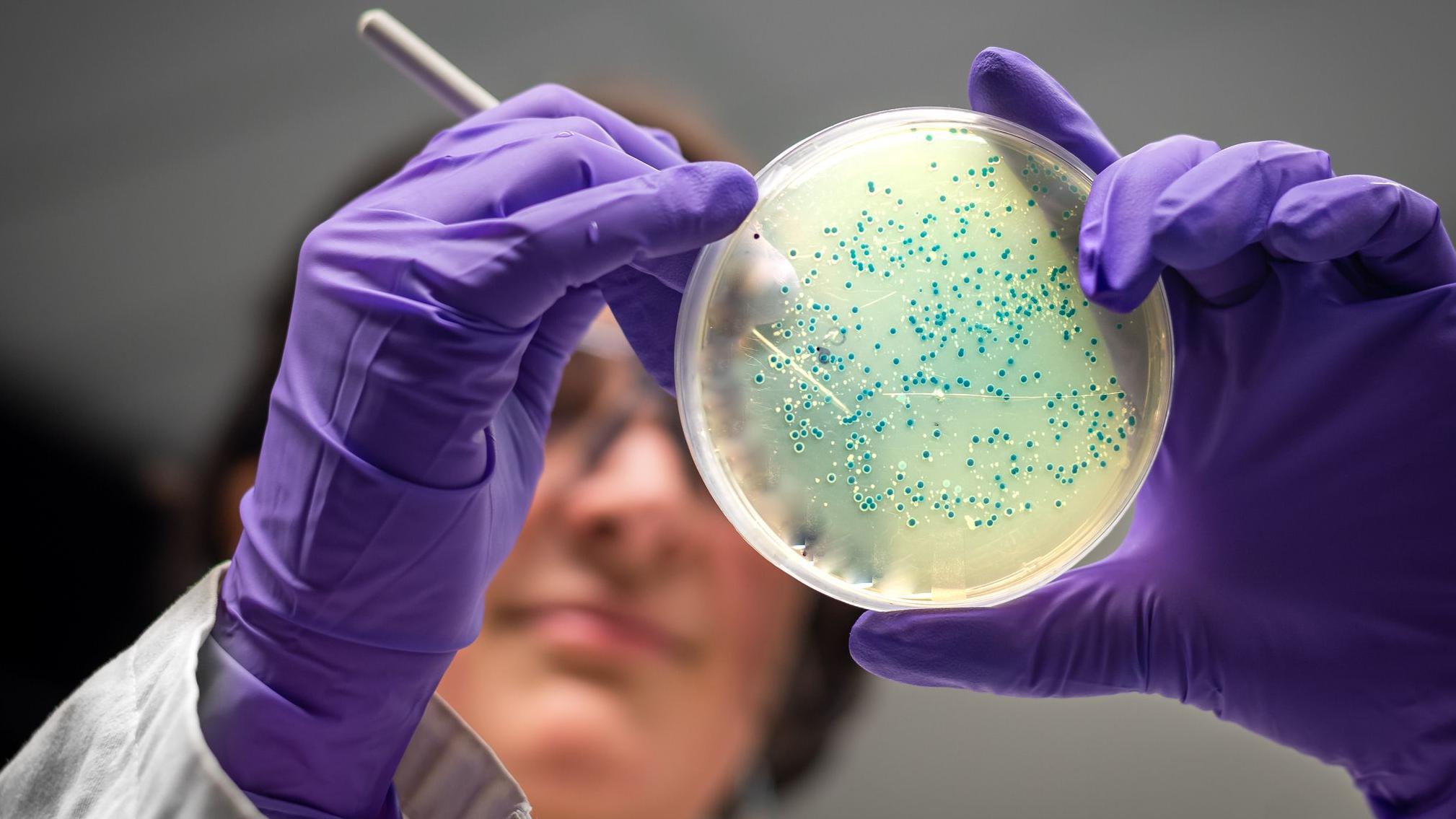
MIT scientists have used generative AI to create potential antibiotics capable of fighting drug-resistant infections like gonorrhea and MRSA. The leading candidates have already shown success in lab tests and infected mice. While refinement and human trials still lie ahead, the approach highlights AI’s power to accelerate drug discovery. Even so, rigorous safety and efficacy testing remain essential before these therapies can reach patients.
Kenya has officially eliminated human African trypanosomiasis, better known as sleeping sickness, making it the second tropical disease the country has eradicated. Through widespread rural screenings, training community health workers, and targeted pest control, the nation has reported zero cases since 2017. Kenya becomes the 17th African country to remove the disease as a public health threat, supporting Africa’s wider goal of elimination by 2030.

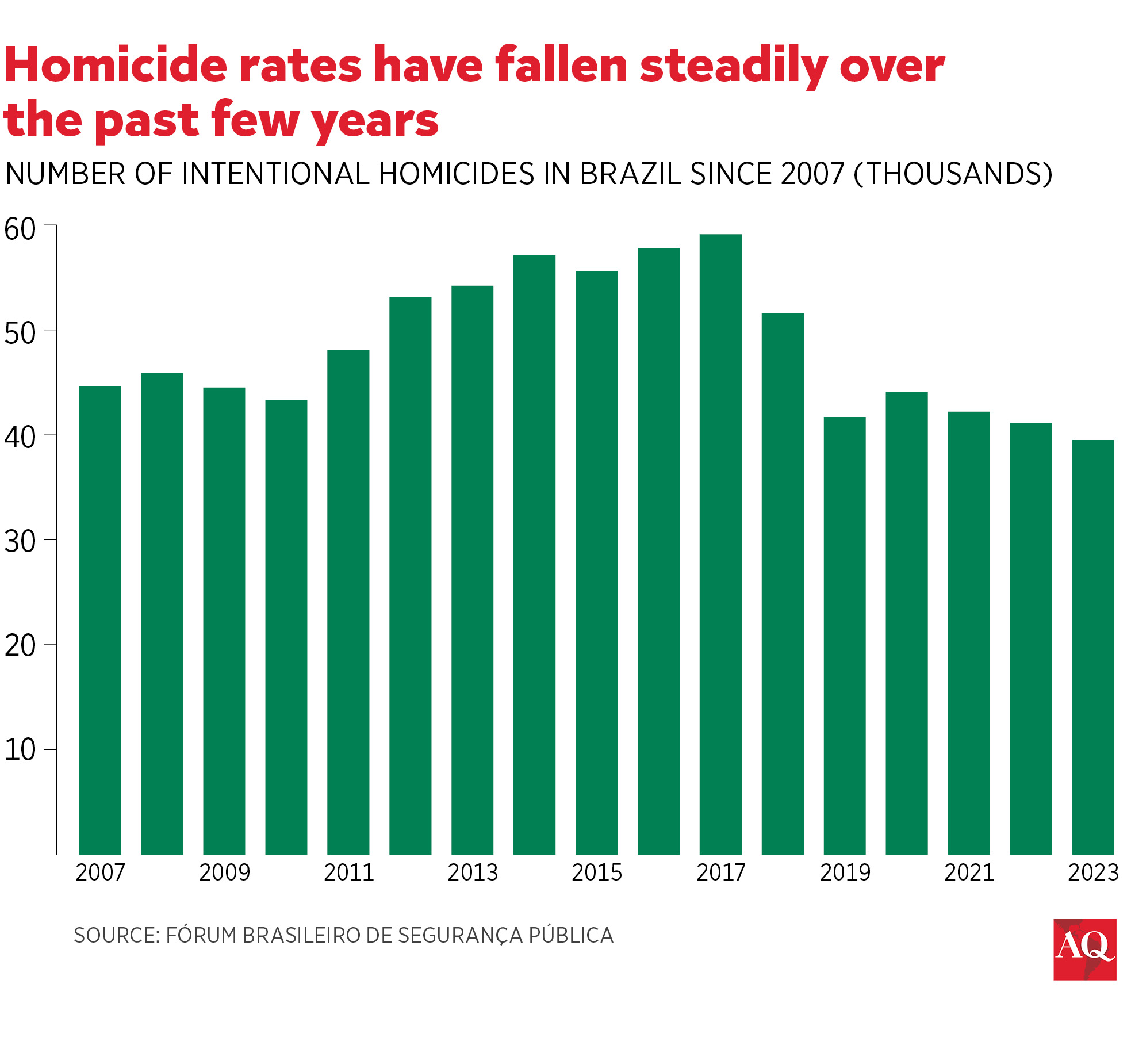
Brazil’s homicide rate dropped 15% in the first half of 2025, with 22 of its 27 states reporting declines. Major cities such as Rio de Janeiro saw double-digit reductions. Experts attribute the shift to a mix of stronger community policing, tighter gun laws, and truces among criminal groups.
Enjoying The Hillsberg Report? Share it with friends who might find it valuable!
Haven't signed up for the weekly notification?
Subscribe Now