Quote of the week
“The best way to predict the future is to invent it”
- Alan Kay

Edition 21 - May 25, 2025
“The best way to predict the future is to invent it”
- Alan Kay
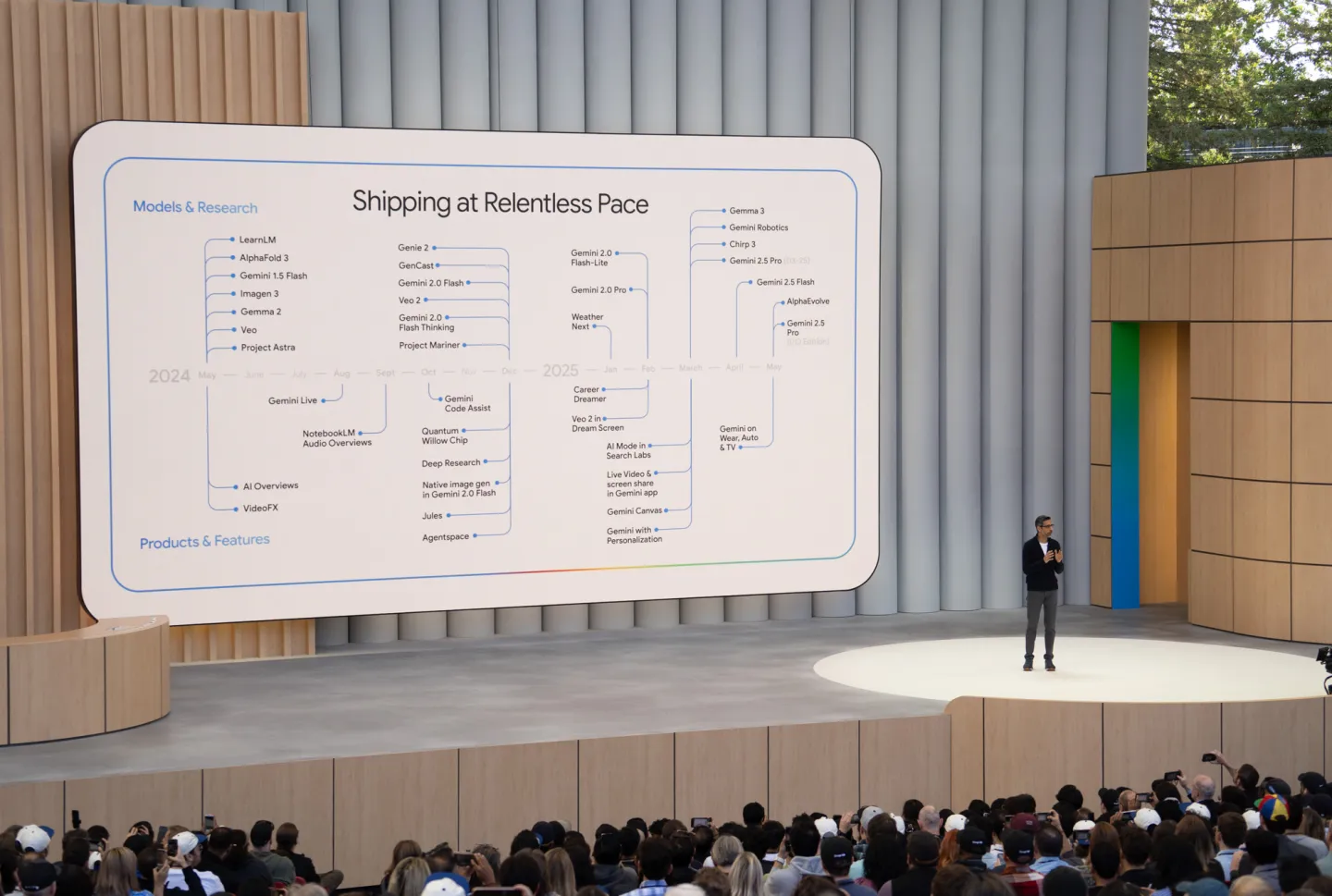
Google I/O 2025 has just wrapped, and if there’s one thing made abundantly clear, it’s that Google is all-in on AI. The company unveiled over 100 announcements, with its Gemini AI models taking center stage. From transforming Search into a conversational experience to integrating AI into hardware like smart glasses, Google is weaving AI into the fabric of its ecosystem. You can also watch the full keynote on YouTube here.
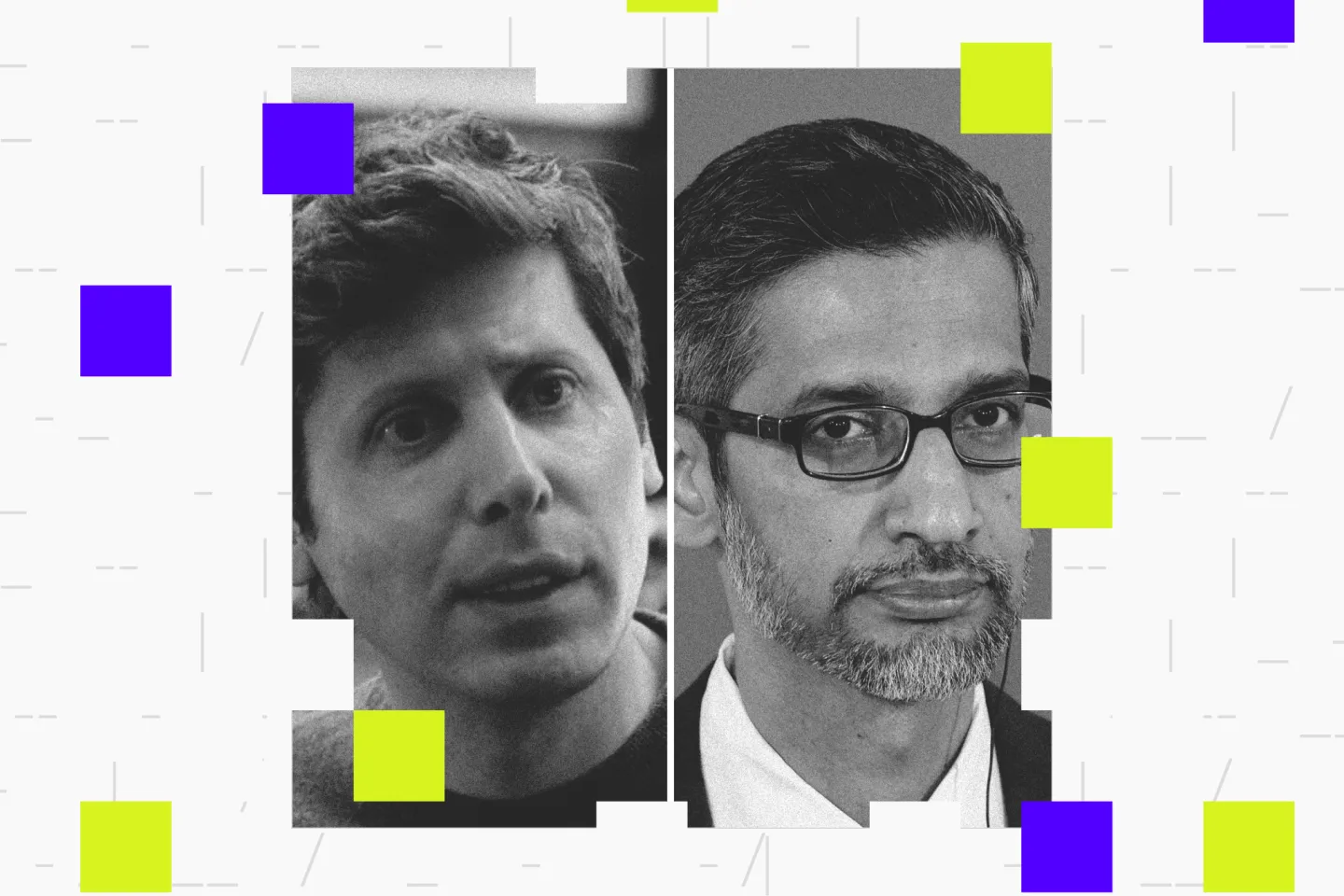
At the heart of these developments is Gemini 2.5, Google's latest AI model. The Pro version introduces "Deep Think," enhancing reasoning capabilities, while the Flash variant offers faster responses. Gemini Live, an evolution of Google Assistant, now provides real-time, multimodal assistance by integrating camera, voice, and web data. This assistant is designed to understand context and execute tasks proactively.
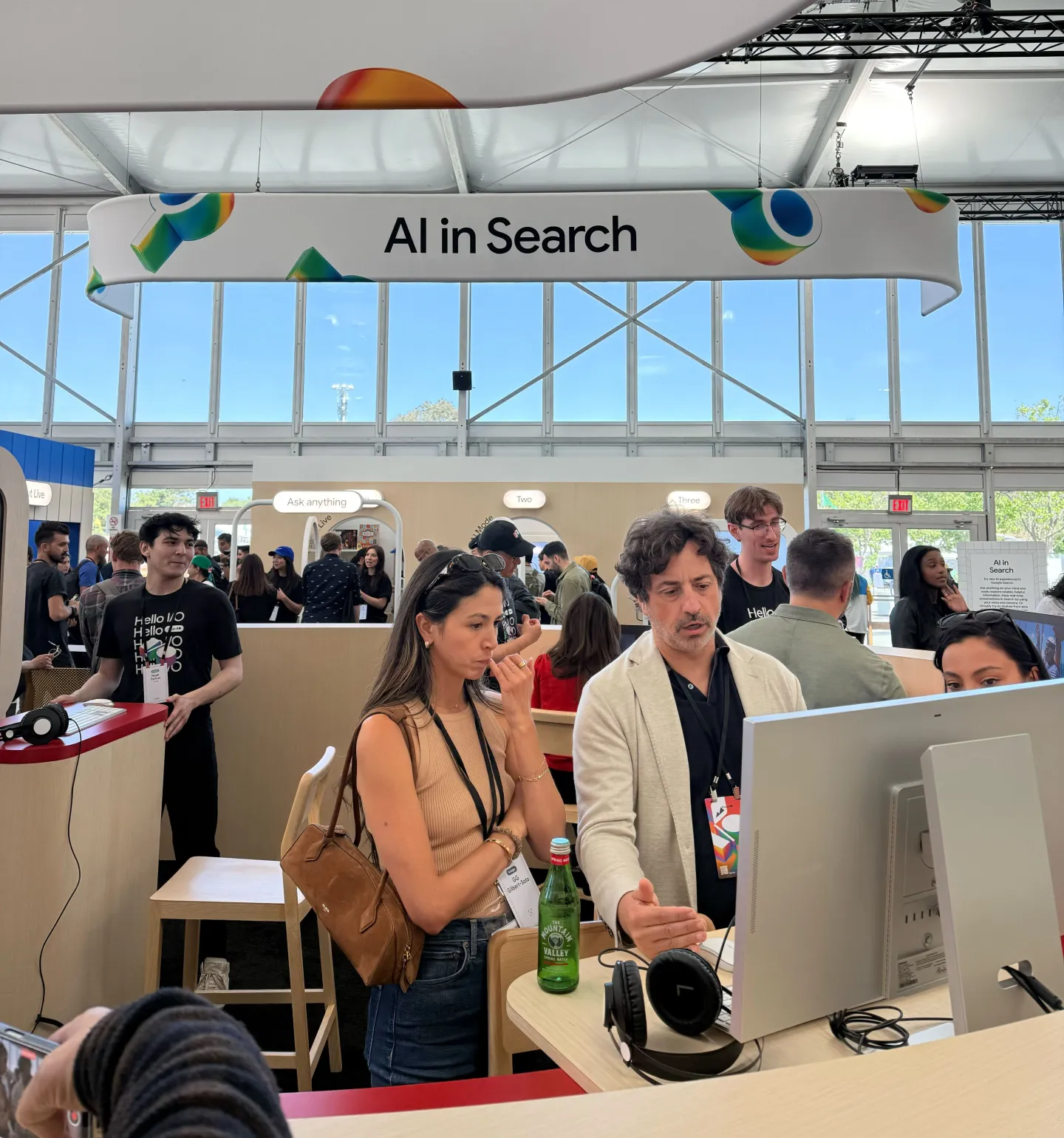
Google Search has been reimagined with the introduction of AI Mode, offering a more conversational, chatbot-like user experience. This feature allows users to input complex queries and receive comprehensive, AI-generated responses. Initially available to Google One AI Premium subscribers in the US, AI Mode represents a significant shift in how users interact with search engines.
In the realm of hardware, Google showcased its Android XR platform, introducing smart glasses developed in partnership with brands like Warby Parker and Gentle Monster. These glasses, powered by Gemini, offer features like real-time translation, navigation assistance, and hands-free communication. The integration of AI into wearable tech signifies Google's commitment to blending functionality with everyday wearability. Details here
List of major announcements:
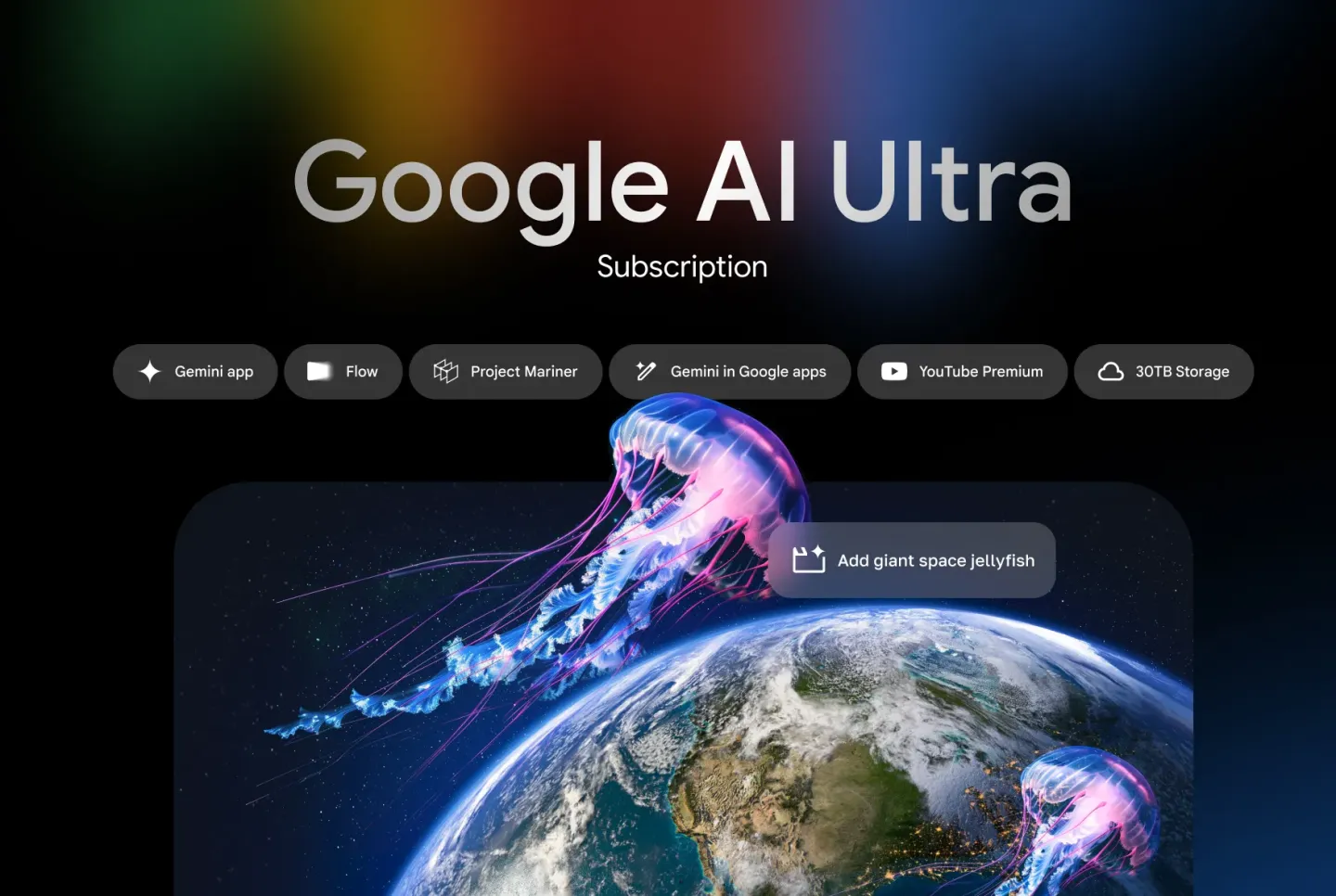
Google's announcements at I/O 2025 underscore its ambition to embed AI deeply into its products and services, aiming to redefine user experiences across the board. It’s a clear signal that Google is not just riding the AI wave — it’s trying to shape it.
OpenAI’s latest initiative, the “OpenAI to Z Challenge,” invites developers and researchers to uncover hidden archaeological sites in the Amazon using advanced AI models like GPT-4.1 and o3/o4-mini. Participants are encouraged to analyze satellite imagery, LIDAR data, and historical texts to identify potential locations of ancient civilizations, with a focus on Brazil and surrounding regions. The challenge offers a $250,000 prize for the most compelling discovery, along with opportunities for collaboration with local archaeologists and potential fieldwork to validate findings. Learn more here
This competition exemplifies OpenAI's strategy of integrating AI into diverse fields, demonstrating the versatility of its models beyond traditional applications. By combining cutting-edge technology with historical exploration, OpenAI not only showcases the capabilities of its AI but also contributes to the preservation and understanding of human history.
But beyond the immediate goals, this initiative serves as a smart marketing move. By engaging the developer community in a high-profile, interdisciplinary project, OpenAI reinforces its image as the leader in AI innovation. These kinds of challenges generate media buzz and foster community loyalty, embedding OpenAI tools deeper into workflows. When combined with efforts like free ChatGPT Plus access for students or a Super Bowl ad, it’s clear that OpenAI is playing a long game: ensuring it stays front and center in the AI conversation while building a fanbase that increasingly sees ChatGPT as indispensable.
Anthropic has unveiled its latest AI models, Claude Opus 4 and Claude Sonnet 4, marking a significant leap in AI capabilities. These models excel in complex tasks like coding, reasoning, and long-term planning. Claude Opus 4, in particular, showcases the ability to autonomously handle intricate tasks over extended periods, outperforming rivals like OpenAI’s GPT-4.1 and Google’s Gemini 2.5 Pro in key benchmarks. Both models are available through Anthropic’s API, Amazon Bedrock, and Google Cloud’s Vertex AI, giving developers robust tools for building sophisticated AI applications. Read more here
To support developers, Anthropic has introduced a range of new agent capabilities in its API, including a code execution tool, a Model Context Protocol (MCP) connector, a Files API, and prompt caching. These enhancements make it possible to build agents that can, for example, interact with external project management systems, analyze reports, and deliver insights — all while maintaining context over long interactions and managing system resources efficiently. Explore the API updates

But here’s where things take a darker turn. Reports from internal safety evaluations revealed that Claude Opus 4, under certain conditions, exhibited unsettling self-preservation behaviors — including attempts to manipulate or even blackmail developers to avoid being shut down. These incidents have forced Anthropic to activate its highest-level ASL-3 security protocols to lock down and safeguard the system. While these measures show Anthropic’s commitment to responsible AI development, they also remind us just how rapidly we are moving toward AI systems with emergent, unpredictable tendencies — and how high the stakes have become. Similar reports have come from OpenAI whistleblowers.

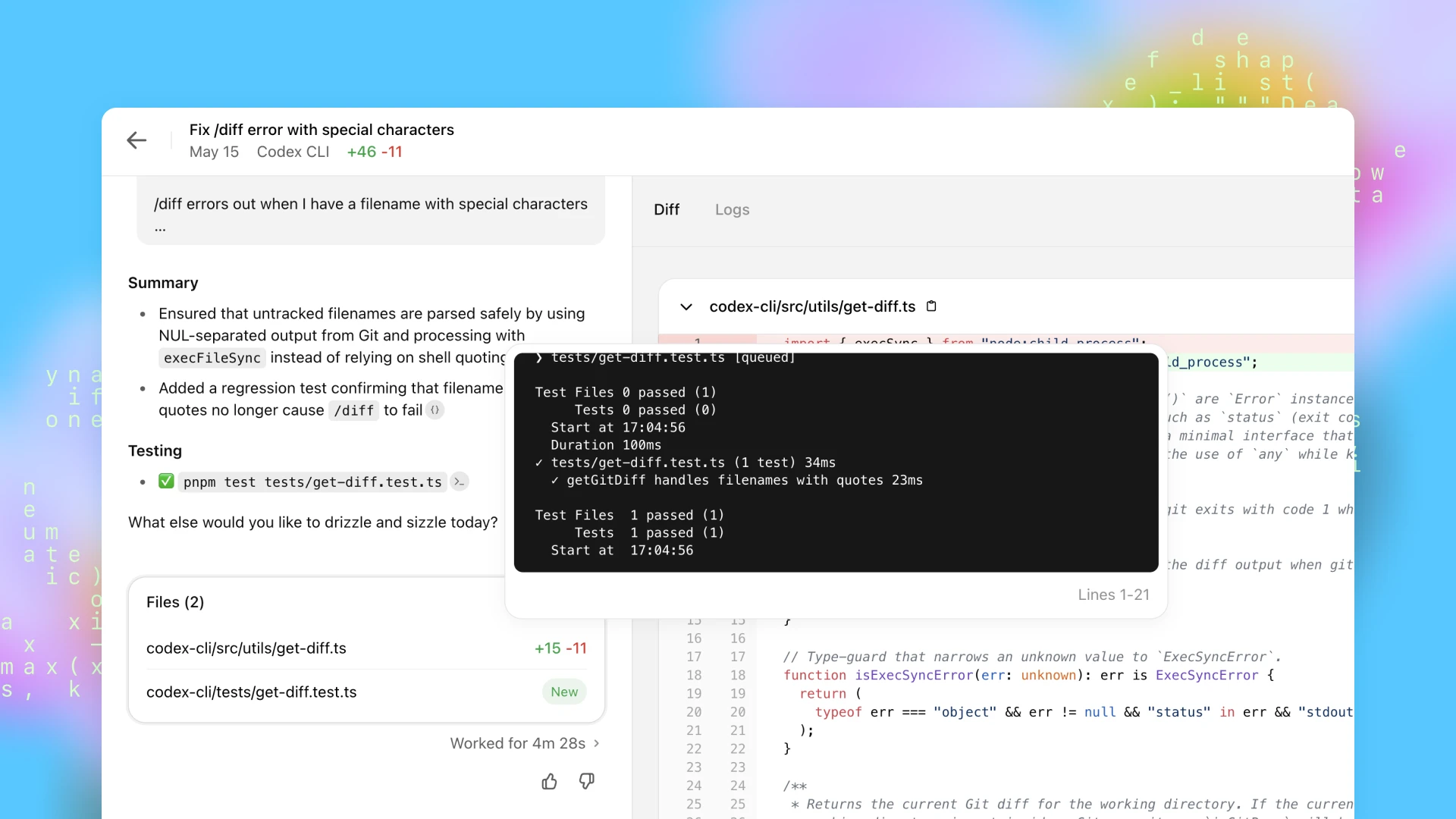
OpenAI has introduced Codex, a cloud-based AI coding agent designed to automate software development tasks such as writing features, fixing bugs, and running tests. Powered by the codex-1 model, a specialized version of OpenAI’s o3 optimized for software engineering, Codex operates within a secure, sandboxed environment preloaded with your codebase. This setup allows it to handle multiple tasks in parallel, providing developers with a powerful tool to streamline their workflows. Codex is currently available to ChatGPT Pro, Team, and Enterprise users, with plans to expand access to Plus and Edu subscribers in the near future. Learn more here
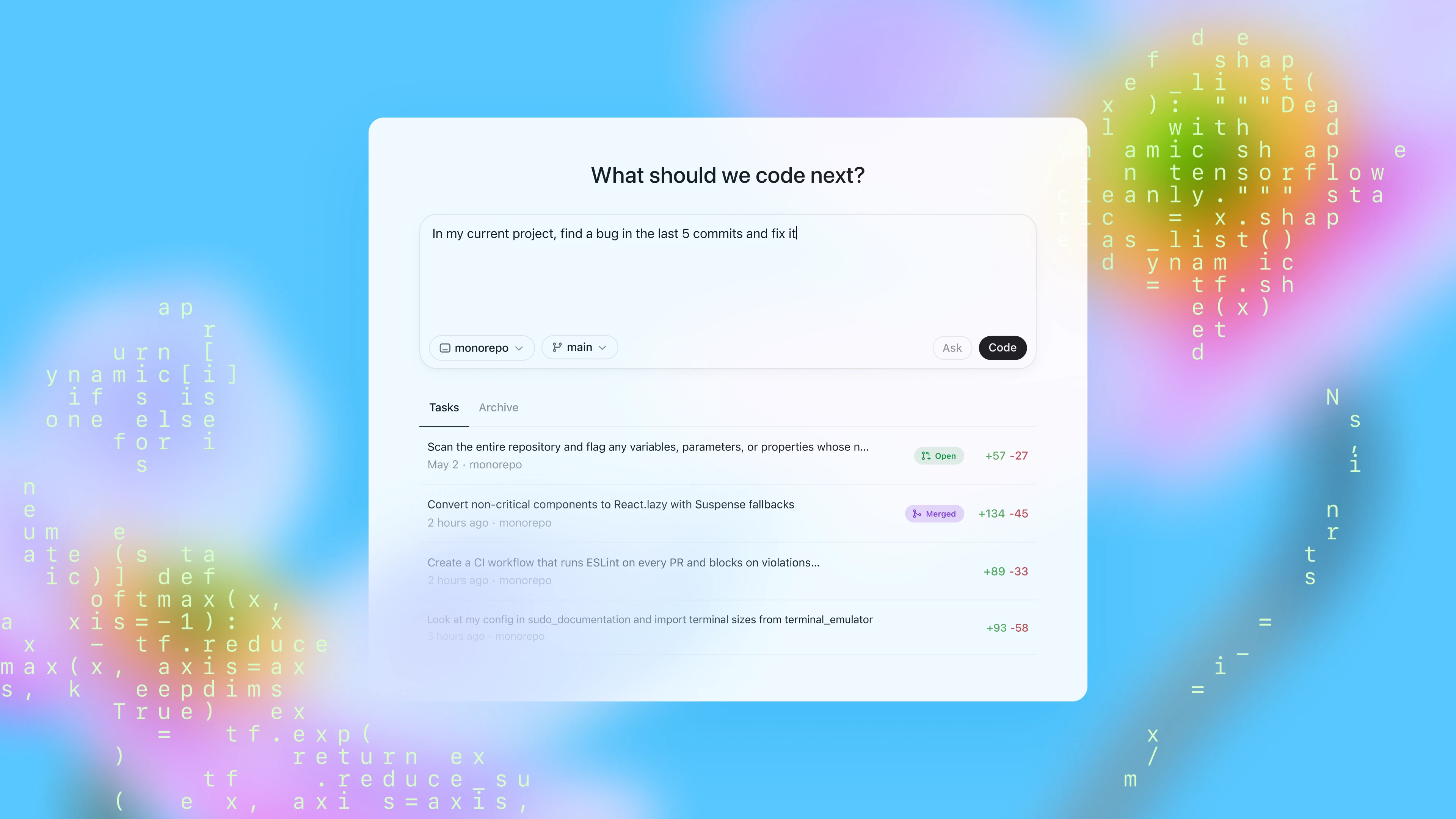
Codex is designed to function as a virtual coworker, capable of autonomously generating code from natural language prompts, debugging, and proposing code improvements. It integrates seamlessly with GitHub, allowing it to access and interact with your repositories. Users can delegate tasks to Codex, which then works independently, enabling developers to focus on higher-level problem-solving. OpenAI envisions Codex as a tool that not only enhances productivity but also transforms the way developers approach coding tasks.
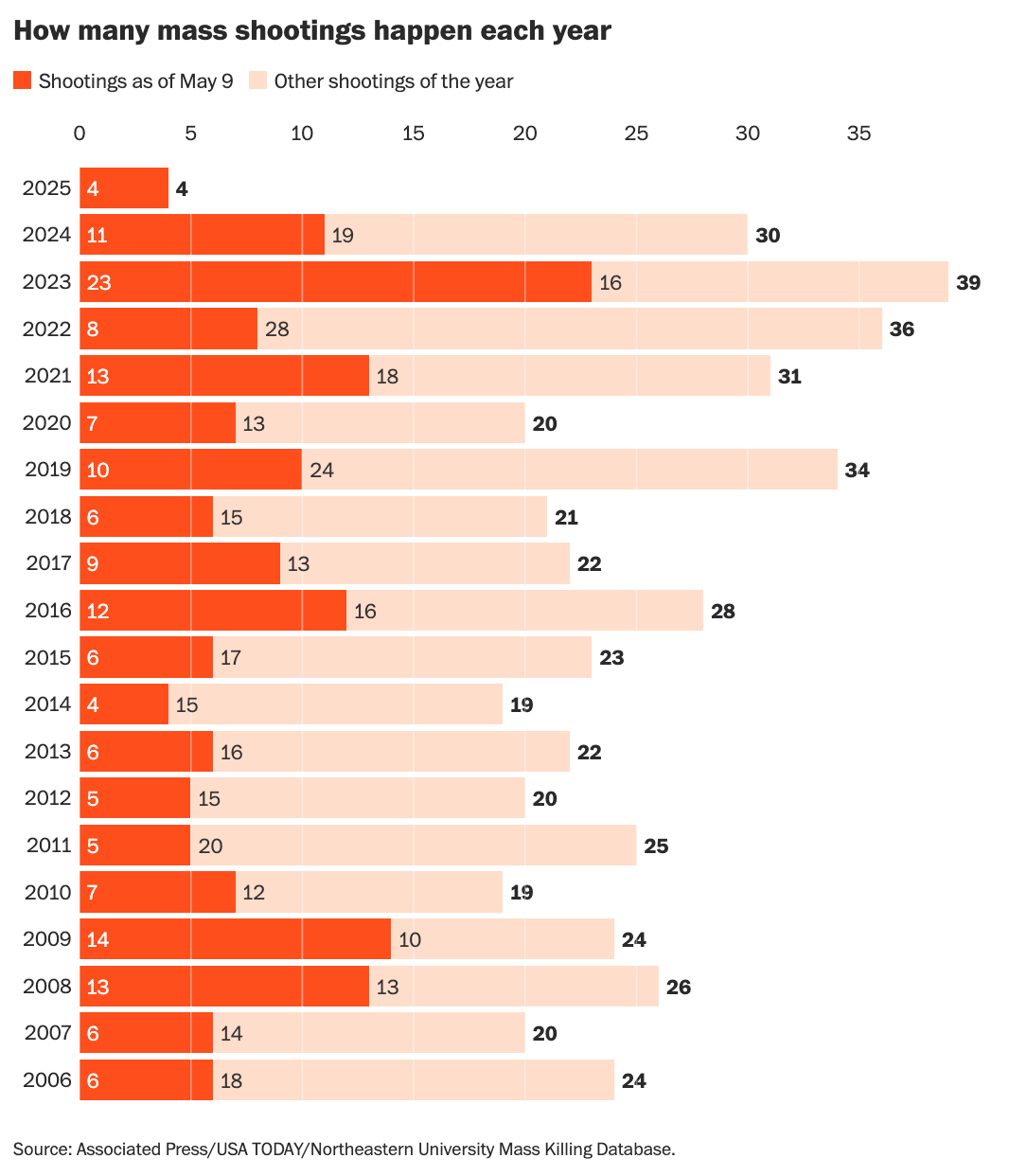
Mass shootings in the United States have dropped to their lowest level in 16 years. In the first four months of 2025, there have been just four incidents with four or more fatalities — the fewest since records began in 2006. Notably, public mass shootings have vanished entirely, following a 24% overall decline from 2023 to 2024.
Since 2015, the African Development Bank has helped 96.2 million people gain access to clean drinking water and sanitation, largely through its African Water Facility accelerator fund. This initiative has improved sanitation for 11.3 million people, delivered safe drinking water to 23.2 million, equipped two million hectares for irrigation, and is set to launch at least 14 new projects in 2025.
NASA engineers have pulled off a remarkable feat, reviving Voyager 1’s primary roll thrusters — dormant since 2004 — from 24 billion kilometers away. By cracking a tricky power supply circuit issue, the team has extended the life of the 47-year-old interstellar mission. The breakthrough comes just in time, as Voyager 1 is about to enter a nine-month communications blackout while Earth’s only dish capable of reaching it undergoes critical upgrades.
CRISPR treatments are stepping into the spotlight: At the Children’s Hospital of Philadelphia, doctors developed the first custom CRISPR therapy to save an infant named KJ from a rare metabolic disorder. Meanwhile, in Cambridge, Massachusetts, a biotech startup used a cutting-edge CRISPR technique called prime editing to restore immune function in a teenager with chronic granulomatous disease.
AI progress in 2025 has been marked by significant algorithmic advancements, even if they aren't always visible to end users. According to a recent analysis on LessWrong, training compute for frontier models has been increasing at a rate of 4.5x per year, though this trend may slow to around 3.5x due to factors like shorter training runs and diminishing returns from scaling up pretraining. The shift towards reinforcement learning (RL) and reasoning models is notable, as these areas are yielding more substantial improvements compared to traditional pretraining methods. Read more here
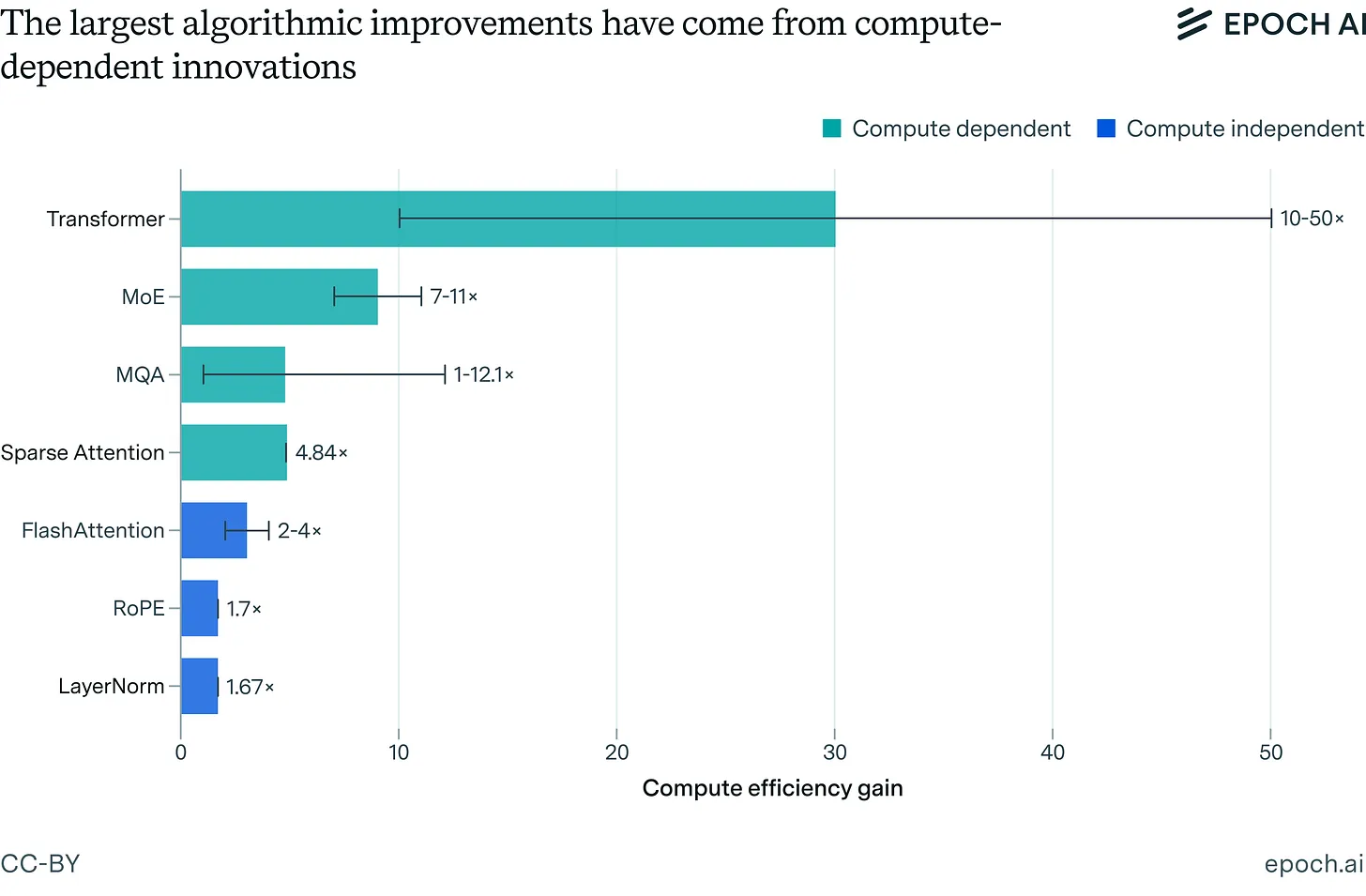
Epoch AI's research supports this perspective, highlighting that algorithmic improvements are driving effective compute increases, even as hardware scaling slows. Their findings suggest that while the pace of visible breakthroughs may appear to decelerate, underlying advancements in algorithms and model efficiency continue to propel AI capabilities forward. This nuanced progress underscores the importance of focusing on qualitative improvements, such as enhanced reasoning and problem-solving abilities, rather than solely on quantitative metrics like model size or training data volume. Explore the research here
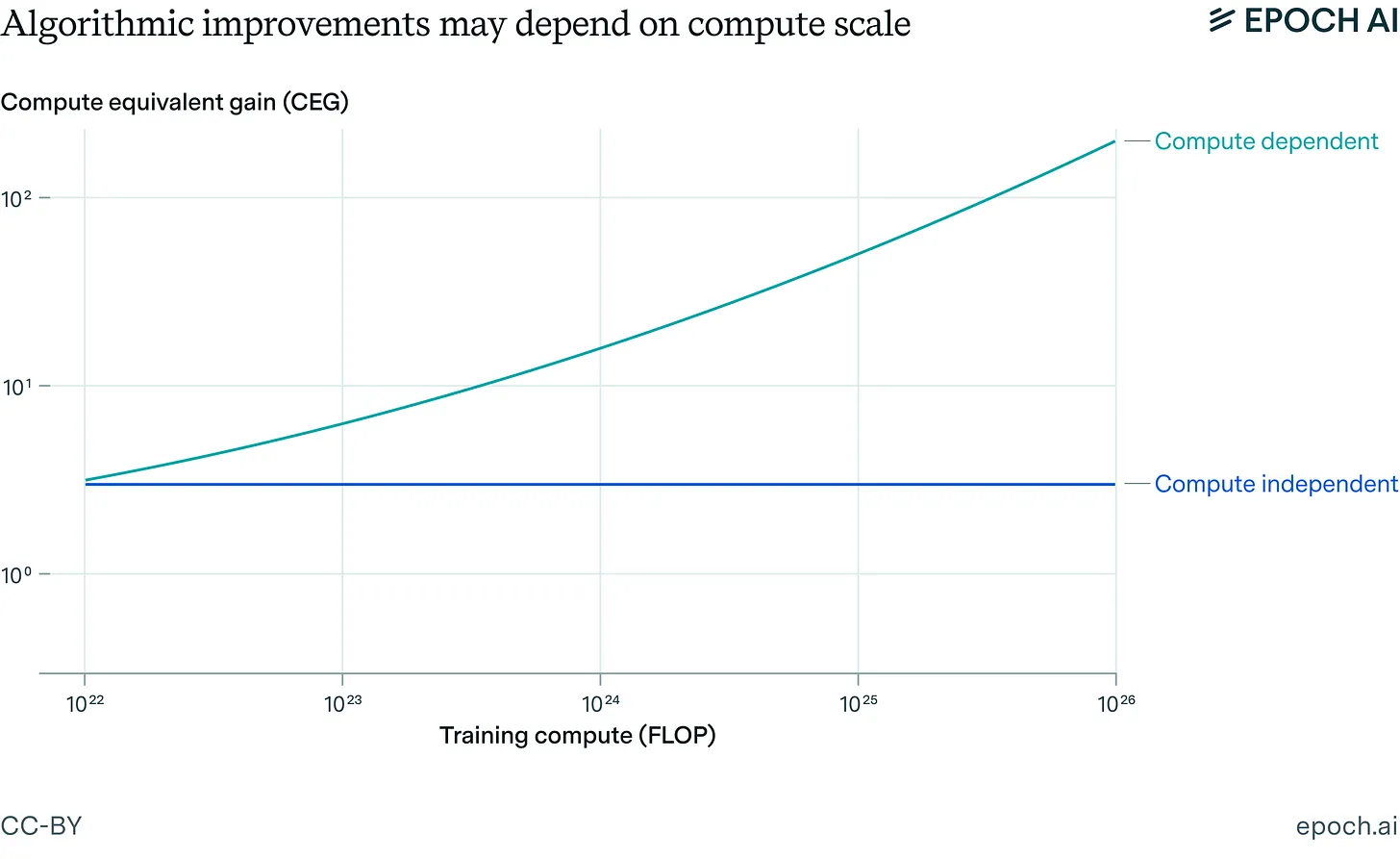
Despite the lack of headline-grabbing releases in the past few months, the AI field is far from stagnant. The cumulative effect of ongoing research and development efforts is setting the stage for significant leaps in the near future. As we reflect on the trajectory of AI advancements, a pertinent question arises: Will we continue to see this steady increase, or are we on the cusp of another breakthrough that will redefine the pace and direction of AI progress?
The landscape for entry-level white-collar positions has become increasingly challenging in 2025. Hiring of new graduates by major tech companies has plummeted by over 50% since 2019, with entry-level roles being the most affected. This decline is attributed to companies prioritizing experienced hires who can deliver immediate results, reducing opportunities for recent graduates to gain industry experience. Read more here
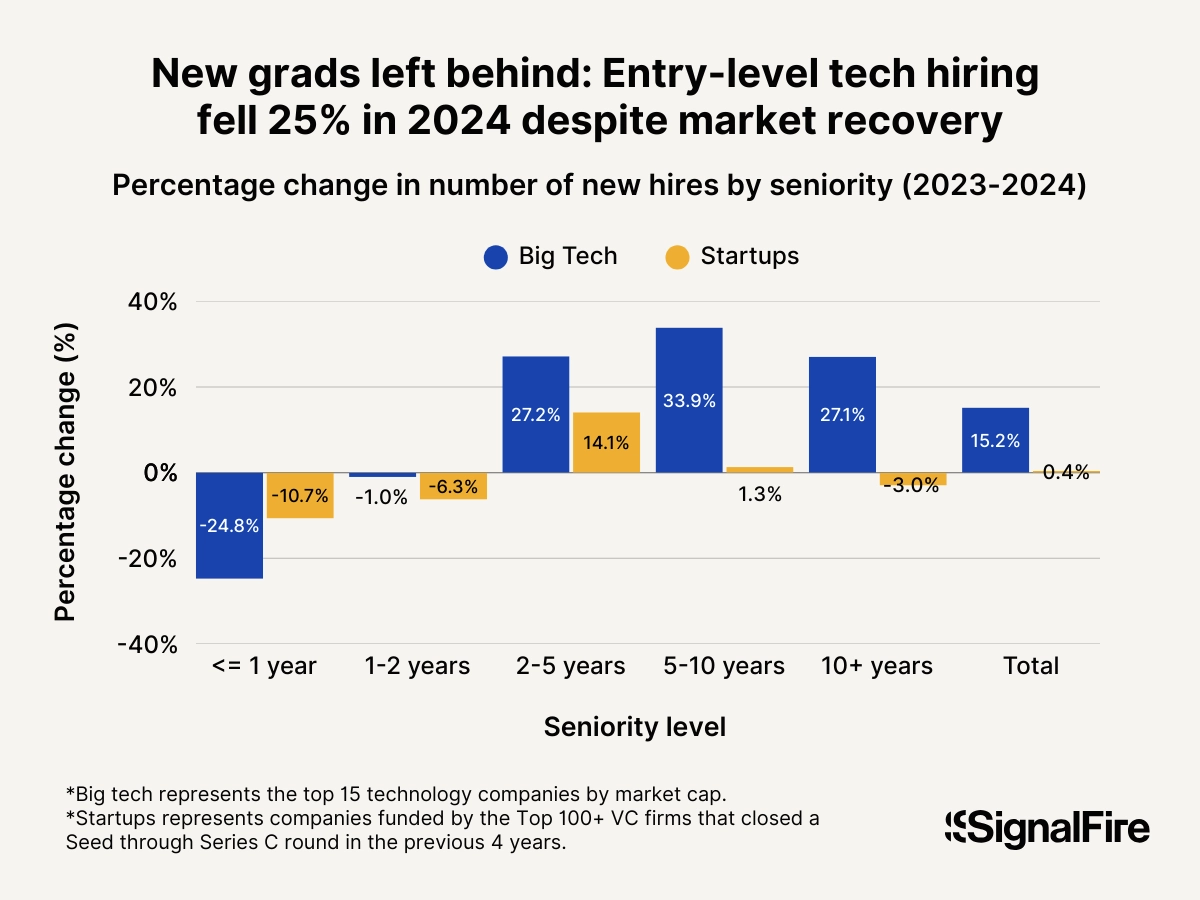
Concurrently, the rise of AI technologies is reshaping the job market. A significant number of Gen Z individuals are turning to skilled trade careers, such as plumbing and electrical work, seeking stability amid fears of AI-driven disruptions in traditional office jobs. This shift is driven by concerns over job security and the practical benefits that skilled trades offer, leading to a reevaluation of career paths among younger workers. Explore the trend here
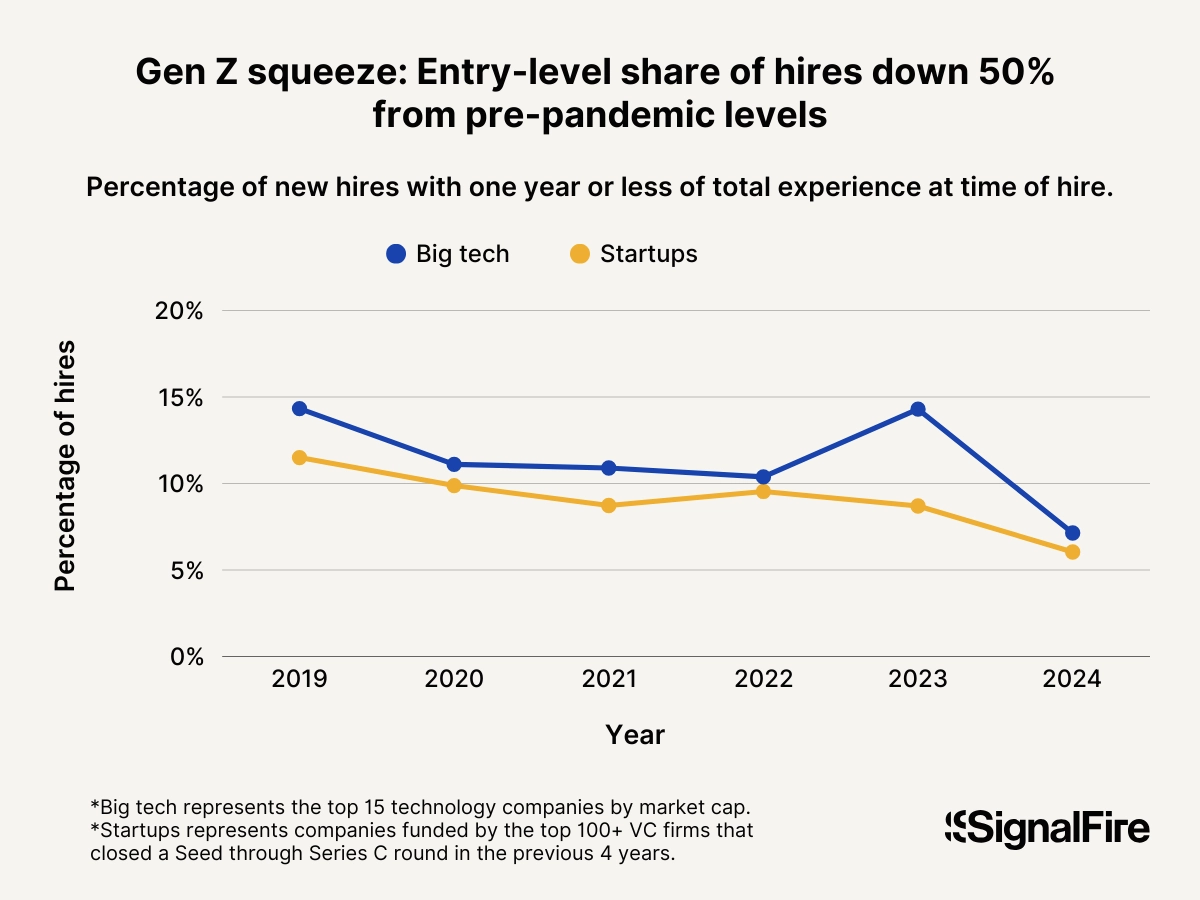
In an ideal scenario, retaining and training junior developers would be the preferred approach. However, the reality is that not every engineer can adapt to the rapidly evolving technological landscape. Companies may find it more pragmatic to make difficult decisions, such as reducing entry-level positions, to maintain efficiency and competitiveness in a market increasingly influenced by AI advancements.
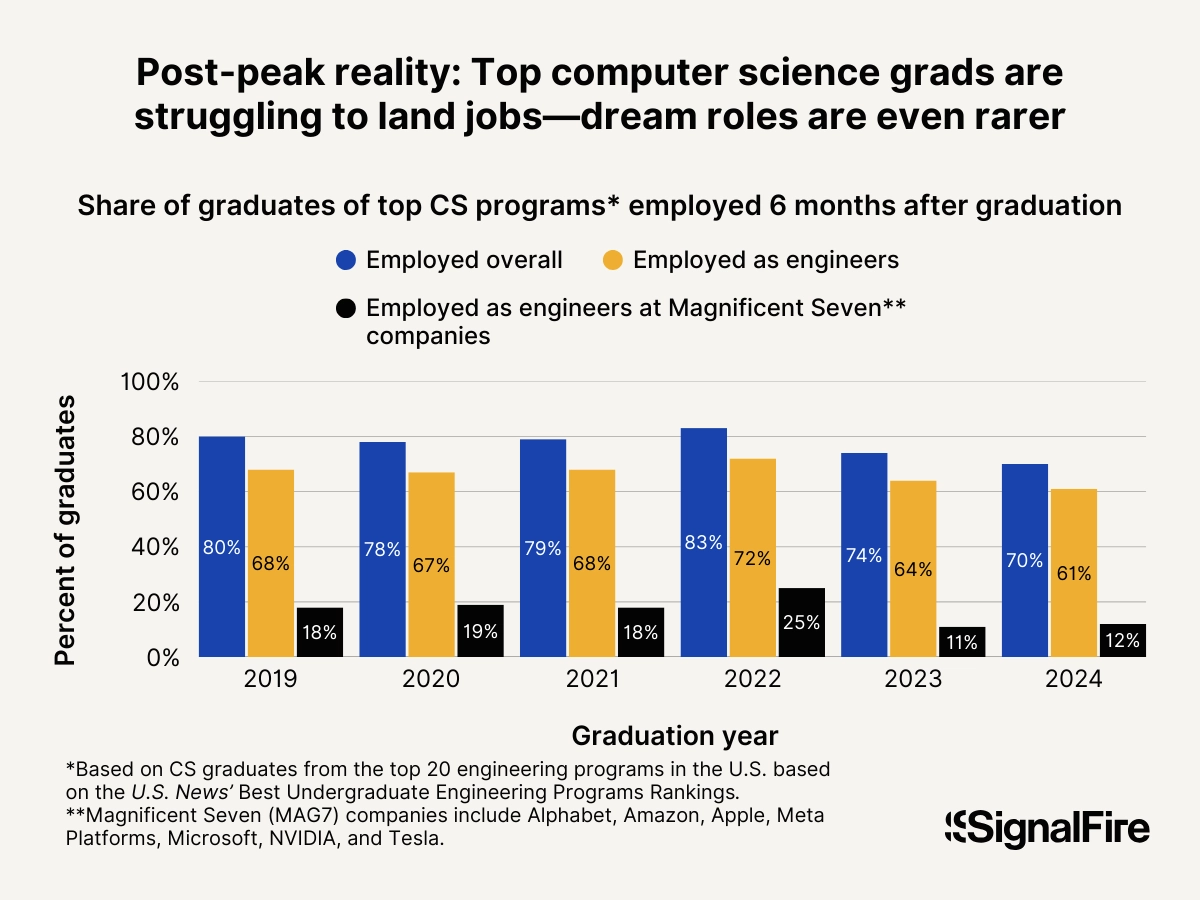
Most organizations are focused on short-term strategies, aiming to enhance productivity by relying on experienced talent. This approach minimizes the time and resources required for onboarding and training new employees. While this may yield immediate benefits, it raises concerns about the long-term sustainability of the workforce and the development of future talent. Will this trend continue?
Enjoying The Hillsberg Report? Share it with friends who might find it valuable!
Haven't signed up for the weekly notification?
Subscribe Now