Quote of the week
“We suffer more often in imagination than in reality.”
- Seneca

Edition 18 - May 4, 2025
“We suffer more often in imagination than in reality.”
- Seneca
Apple has just taken one of the most serious legal blows in its history. A U.S. judge, Yvonne Gonzalez Rogers, ruled that Apple violated a court order meant to open up the App Store and reduce its grip on payments and competition. The ruling is the latest chapter in the long-running antitrust case brought by Epic Games, which began in 2020. Although Epic initially lost on federal antitrust charges, it won on California unfair competition claims — specifically over Apple’s refusal to let developers steer customers to alternative payment options. The judge found that Apple deliberately sidestepped the order by introducing a 27% commission on external purchases and using “scare screens” to dissuade users from paying outside the App Store.
The judge’s ruling didn’t hold back: she accused Apple of acting in bad faith, lying under oath, and specifically called out Vice President of Finance Alex Roman for giving “misdirection and outright lies” in court. She also blamed Tim Cook for ignoring internal voices like Phil Schiller, who had advised Apple to comply. As punishment, Gonzalez Rogers ordered Apple to immediately stop interfering with developers’ ability to link to off-app payments — no new commissions, no scare tactics. Even more dramatically, she referred Apple and Roman to federal prosecutors for a criminal contempt investigation.
This decision is a potential earthquake for Apple’s business model, which relies heavily on the billions in revenue it generates from App Store commissions — nearly $100 billion in annual services revenue, according to the New York Times. If upheld, the ruling could break Apple’s stranglehold on payments, forcing it to compete with outside processors and giving developers much more pricing power. In short: the walls around Apple’s garden just got a lot more cracks.
So what happens next? Expect developers to rush toward web-based payments, custom checkout systems, and hybrid models that bypass Apple’s ecosystem entirely. Major players like Spotify, Epic, and even small indie developers are likely to experiment with alternative revenue flows, especially if the Ninth Circuit denies Apple’s expected appeal. On a macro level, this ruling could fuel momentum for broader antitrust crackdowns, inspire copycat lawsuits globally, and accelerate a shift toward more open digital platforms. For Apple, the game has changed — and the world is watching.
Waymo just made two major announcements that signal a shift in the future of self-driving cars. First, Alphabet CEO Sundar Pichai said the company is exploring the option of selling Waymo-equipped autonomous vehicles directly to consumers — moving beyond its current robotaxi model. Second, Waymo and Toyota unveiled a preliminary partnership to bring Waymo’s autonomous tech to personally owned vehicles, not just fleets. This follows Waymo’s ongoing expansion across U.S. cities and abroad, marking a big step toward mainstream adoption.
For Alphabet, this raises strategic questions about Waymo’s future inside Google’s corporate umbrella. As Waymo’s ambitions grow beyond ride-hailing and into consumer hardware, it may face regulatory and competitive pressures similar to those surrounding Google Chrome or Android — where calls for spinoffs or greater separation have surfaced. The shift from purely a tech provider to a consumer-facing car brand could increase scrutiny over how Waymo fits within Alphabet’s ecosystem and whether it can remain just another “moonshot” or must stand on its own.
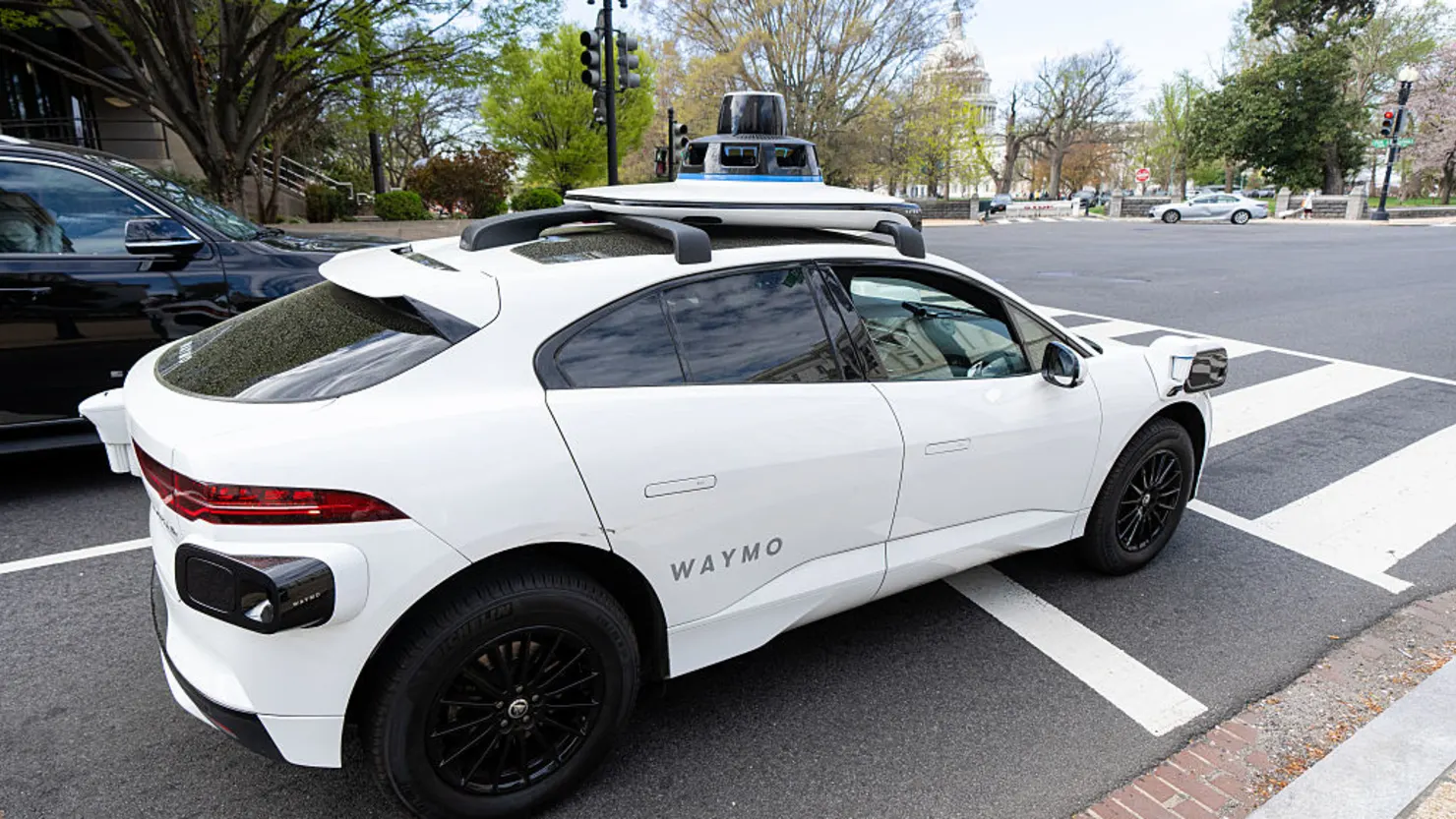
For Toyota, this partnership is a significant boost. By embedding Waymo’s cutting-edge autonomy into its vehicles, Toyota strengthens its position in the race for autonomous mobility — especially as rivals like Tesla push aggressively into this space. It also aligns with Toyota’s broader strategy of hedging its bets across electrification, hybrids, and now autonomy. If successful, the collaboration could boost Toyota’s value proposition as not just the world’s largest automaker, but as a leader in the future of personal transportation.
OpenAI has launched a major upgrade to ChatGPT’s search, adding shopping recommendations, product images, reviews, and direct purchase links. Users can now ask for everything from fashion to electronics in natural language and get curated results — all without ads or paid placement (for now).
Strategically, this marks an aggressive push into Google’s backyard. While Google’s shopping experience is tied to ads and sponsored listings, OpenAI is betting on a clean, user-focused experience that addresses one of Google’s growing weaknesses: trust erosion. If OpenAI can maintain its ad-free edge — or introduce only light, non-intrusive monetization — it has a real shot at changing where consumers turn when they’re ready to buy.

The real breakthrough may come when OpenAI combines shopping with its memory feature, creating a platform that remembers your preferences and offers hyper-personalized suggestions. Google may still dominate search, but OpenAI is quietly building a one-to-one commerce engine — one that doesn’t just answer queries, but understands you. That’s a future Google will have to scramble to match.

Salesforce’s Agentic Maturity Model offers companies a clear framework for evolving their use of AI agents. It lays out four levels — from basic chatbots that handle repetitive tasks to sophisticated, multi-agent systems that autonomously coordinate across departments. What’s notable is that Salesforce isn’t just pushing shiny tech; it’s offering a practical roadmap for companies to move from simple automation to full-scale digital labor.
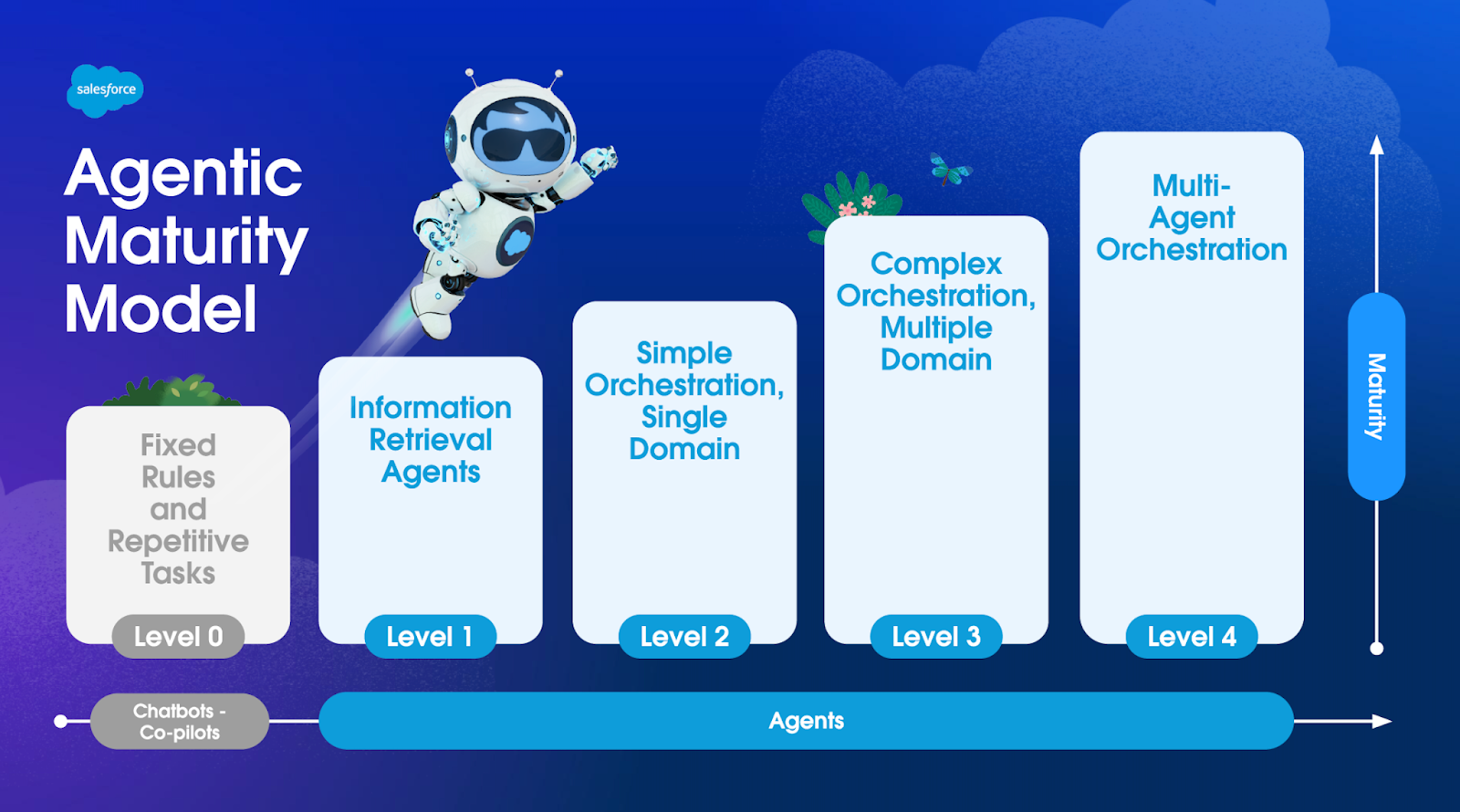
For organizations wondering where to start, Salesforce emphasizes the basics: clean, integrated data sources; a clear governance plan; and a focus on high-value use cases, not just time savings. Crucially, the model urges companies to think beyond isolated pilots and prepare for cross-domain orchestration — where agents work together, not just in silos. It’s this leap, from simple bots to collaborative agents, that defines whether AI stays a side project or becomes a core part of the business. Read more about it here.
Microsoft, meanwhile, introduces the idea of the Frontier Firm — a business that fully integrates AI into its operations. These firms blend human intelligence with AI agents in “hybrid teams,” where agents handle repetitive tasks and humans focus on creativity, judgment, and strategy. Microsoft predicts that within 12–18 months, most companies will operate in some combination of three stages: human assistants, human-agent teams, and human-led, agent-operated processes.
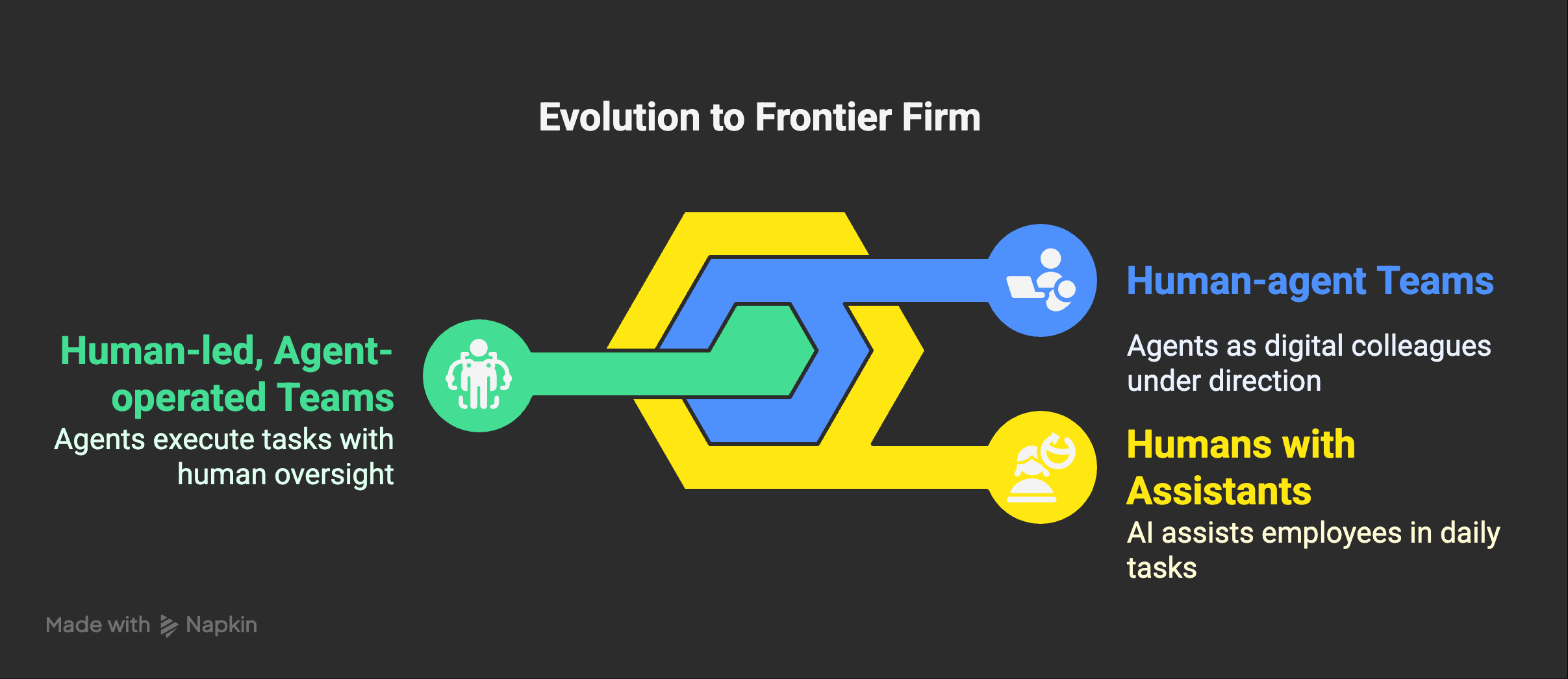
Taken together, these frameworks point to a business world on the brink of transformation. We’re moving toward companies that are faster, more adaptive, and able to scale work without scaling headcount. But success will require more than tools — it will demand a mindset shift, where humans and AI work as partners, not competitors. This shift will reshape job roles, create entirely new functions, and make AI literacy as fundamental as digital literacy is today.
This article highlights 261 examples of how businesses across industries — from manufacturing and logistics to retail and healthcare — are already using AI to drive measurable results. Companies report gains in efficiency, improved decision-making, and faster time to market. Microsoft frames these stories as proof that AI isn’t a hypothetical future but a present-day force reshaping competitive advantage.
We may have already seen the world’s peak booze moment. Beer consumption topped out in 2016, wine has been declining since 1979, and per-capita alcohol use dropped from 5 liters in 2013 to 3.9 liters in 2023. Even with the global population on track to reach 10.3 billion by the 2080s, the regions that drink the most have already passed their demographic highs — making it unlikely we’ll ever top the 25.4 billion liters consumed worldwide back in 2015.
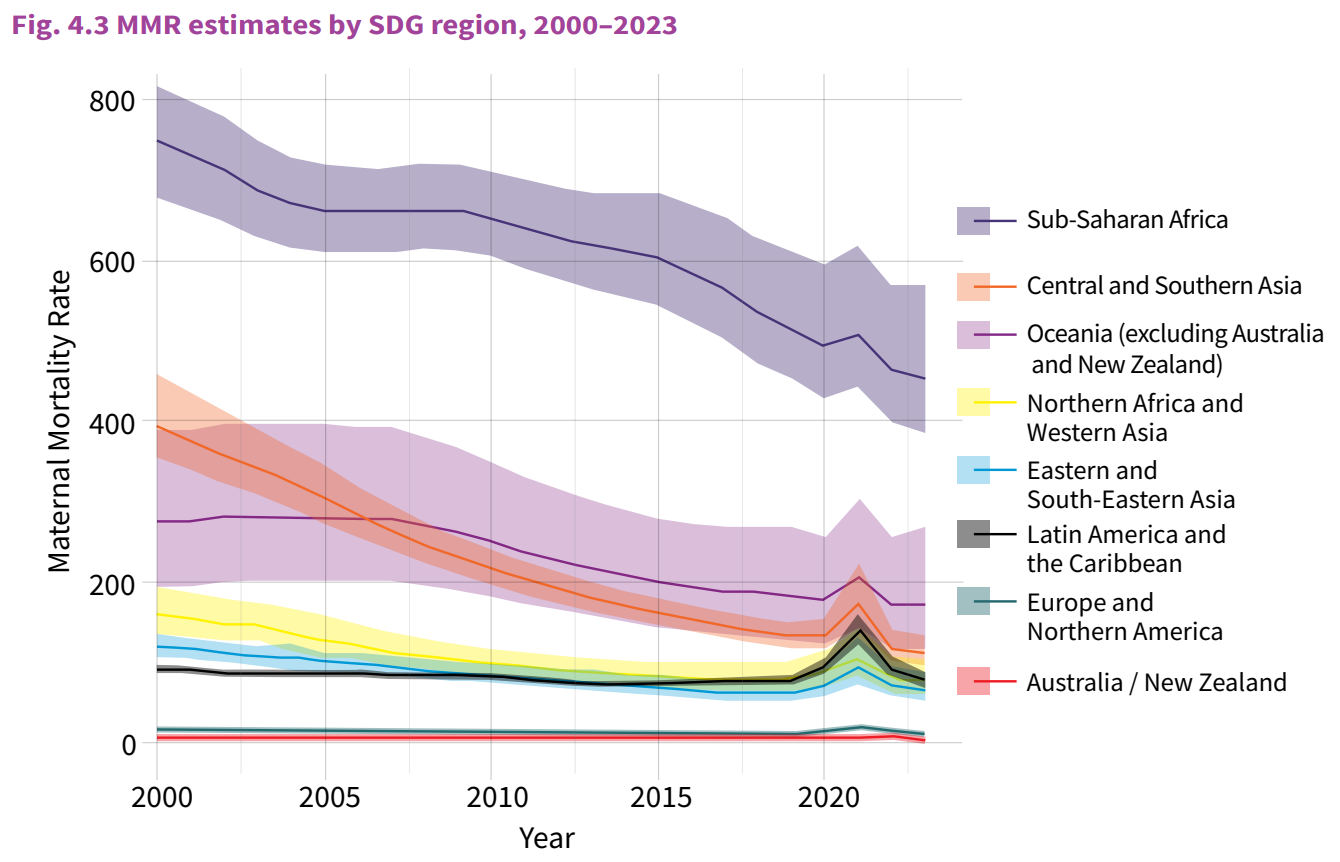
Fresh numbers from the United Nations show striking progress: between 2000 and 2023, the global maternal mortality ratio dropped by 40%. Back in 2000, a 15-year-old girl faced a 1 in 130 lifetime risk of dying from maternal causes; by 2023, that risk had been cut by more than half, to 1 in 272.
After a weather delay mentioned in a previous edition, Amazon has successfully launched its first 27 Kuiper internet satellites into orbit. The liftoff from Cape Canaveral marks the start of Amazon’s long-anticipated push into the satellite internet market, aiming to challenge SpaceX’s Starlink. With smooth deployment and early signs of system readiness, Project Kuiper is officially underway.
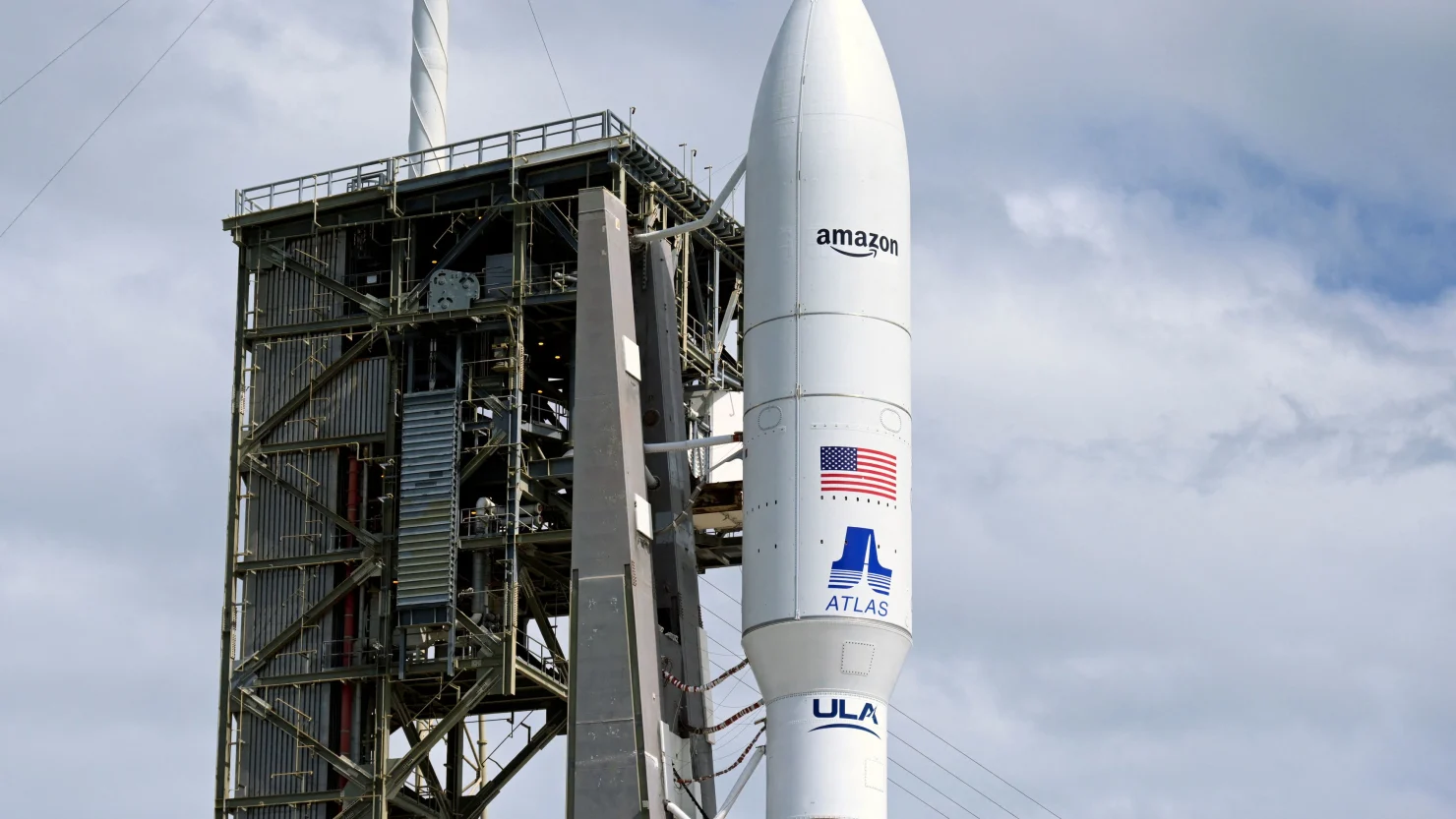
But Amazon has a steep climb ahead. While this launch is a milestone, the company needs to deploy at least 1,618 satellites by July 2026 to meet regulatory deadlines — and that’s still just half its planned network. By comparison, Starlink already has around 8,000 satellites in orbit. Amazon has booked more than 80 launches across multiple partners, including SpaceX, to reach its ambitious goal.
Meanwhile, Starlink has rolled out a bold new pricing strategy: it’s offering 12-month residential service plans that bring the hardware cost — typically $349 — down to zero in select markets, without raising the monthly fee. Subscribers can test the system for 30 days risk-free, though early cancellations or address changes will trigger a prorated hardware charge, and some regions will see an added demand surcharge.

While SpaceX hasn’t officially said these price cuts are a response to Amazon, the timing suggests it’s shoring up its market lead just as Kuiper begins to scale. The strategy is clear: lower the barrier to entry, grab as many subscribers as possible, and cement Starlink’s dominance before Amazon can build momentum. Expect this battle to reshape the global internet landscape in the years ahead.
Meta hosted its inaugural LlamaCon on April 29, 2025, at its Menlo Park headquarters, drawing approximately 30,000 online participants. The event aimed to showcase Meta's advancements in open-source AI, particularly its Llama language models. While the conference featured lively presentations and even live llamas, the overall sentiment among developers was mixed, with some expressing disappointment over the absence of significant model updates.
Key announcements included the launch of the Llama API, designed to simplify the integration of Llama models into applications. Meta also introduced new security tools, such as Llama Guard 4 and LlamaFirewall, to enhance AI application safety. Additionally, the company awarded $1.5 million through the Llama Impact Grants to support startups and universities leveraging Llama for transformative projects.
The most significant highlight was the introduction of the Llama API, which offers developers a streamlined way to access and customize Llama models. This move underscores Meta's commitment to fostering an open and flexible AI ecosystem, distinguishing itself from competitors by emphasizing accessibility and developer empowerment.
Despite these developments, some attendees noted that the event lacked the unveiling of a new reasoning model, a feature increasingly standard among leading AI platforms. This omission led to discussions about Meta's position in the rapidly evolving AI landscape, especially in comparison to competitors like DeepSeek and Alibaba's Qwen. For a more in-depth look at LlamaCon 2025, you can watch the opening session here.
Enjoying The Hillsberg Report? Share it with friends who might find it valuable!
Haven't signed up for the weekly notification?
Subscribe Now